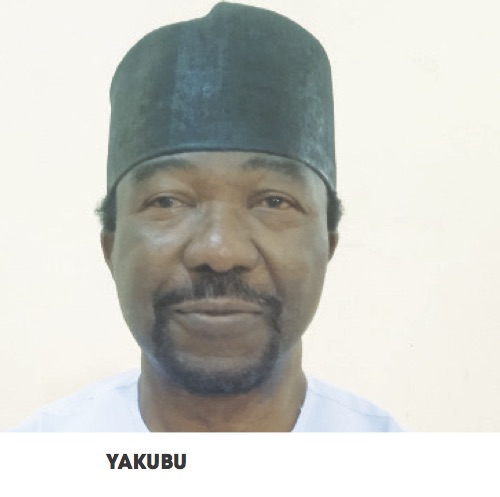
The Convener of Arewa Think Tank, Muhammad Alhaji Yakubu, has called on Nigerian universities to diversify their sources of funding, stressing that government financing alone may not be sufficient to sustain quality higher education and drive national development.
Yakubu, however, commended President Bola Tinubu’s administration for its interventions in the education sector, particularly the establishment of the Nigerian Education Loan Fund (NELFUND), efforts to restore industrial harmony in universities and measures to improve the welfare of students and university workers.
He made the remarks while reacting to the address delivered by the Pro-Chancellor and Chairman of the Governing Council of the University of Ibadan, Chief Adebisi Akande, at the institution’s 78th Foundation Day ceremony held on Tuesday, November 17, 2026.
Yakubu said Akande’s address was a timely reflection on the challenges confronting Nigeria’s higher education system, particularly the relationship between economic stability, sustainable university funding and national development.
Yakubu said, “Nigeria cannot build a strong, competitive and prosperous nation without a stable and adequately funded education system. Our universities are the engines of research, innovation, professional development and national transformation.
“Any administration that takes deliberate steps to strengthen these institutions deserves recognition and encouragement.”
Yakubu also aligned himself with Akande’s position that prolonged industrial disputes and disruptions of academic calendars had inflicted considerable damage on Nigeria’s university system.
He observed that frequent strikes, unstable academic programmes and inadequate institutional funding had affected students and parents while undermining the international competitiveness of Nigerian universities.
He therefore urged the Federal Government, university authorities and academic unions to sustain dialogue, honour agreements and prioritise the future of Nigerian students.
“Government funding remains indispensable, but universities must also develop legitimate and sustainable alternative sources of revenue.
“Our institutions should be centres of innovation, enterprise and problem-solving, not merely places where students obtain certificates,” he stated.
He called on stakeholders across the country, particularly political leaders, traditional rulers, the private sector, alumni associations and development partners, to support efforts aimed at strengthening Nigeria’s educational institutions.
We’ve got the edge. Get real-time reports, breaking scoops, and exclusive angles delivered straight to your phone. Don’t settle for stale news. Join LEADERSHIP NEWS on WhatsApp for 24/7 updates →
Join Our WhatsApp Channel