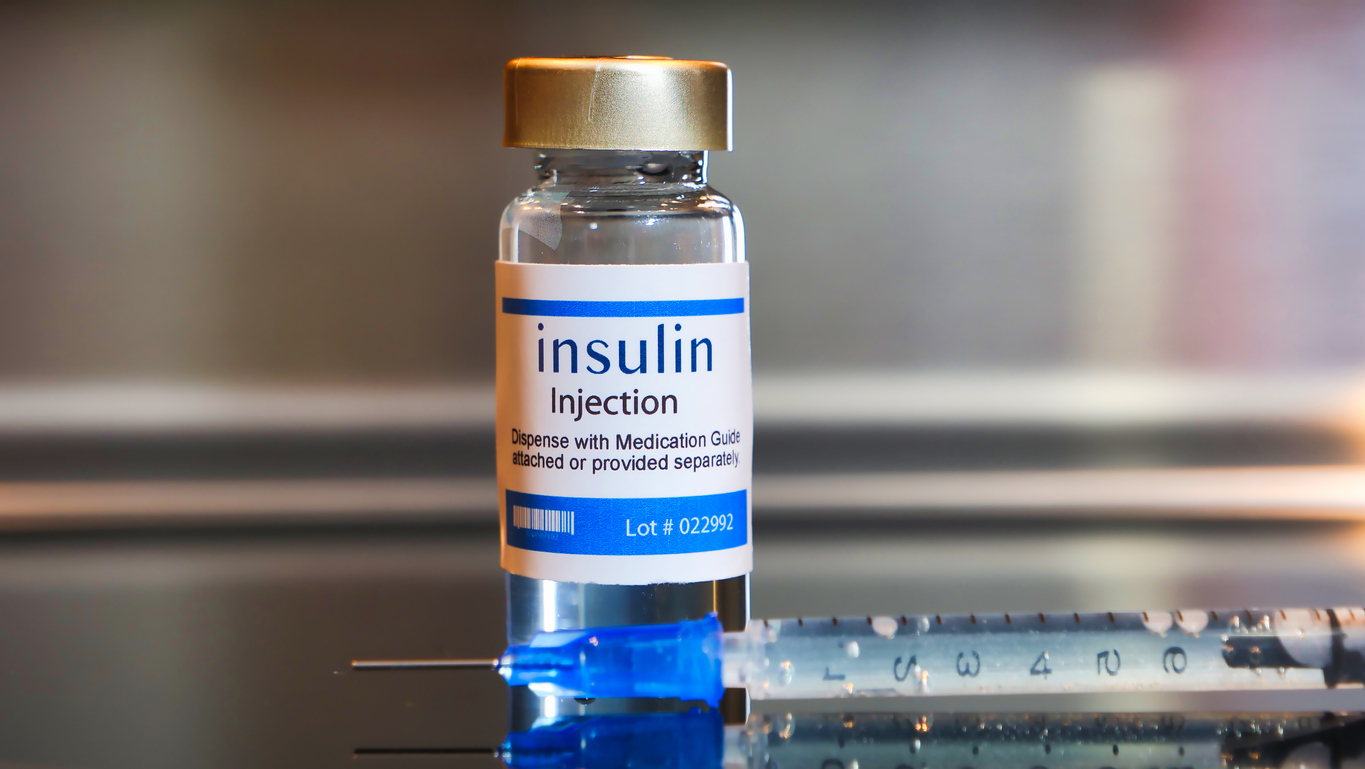
One hundred years after the ground-breaking discovery of insulin, persistent gaps in access to this highly effective drug remain critical, a new report revealed.
The number of people with diabetes worldwide is expected to reach 643 million by 2030, and 700 million by 2045, rising most rapidly in low and middle-income countries (LMICs), where there is stark inequity in access to insulin.
Based on analysis of the data available, only 29 of the 108 countries in scope have all the insulins classified as “essential medicines” by WHO registered, and only one of those is a low-income country. Worse, in 24 countries, no insulins were found to be registered at all. This means that people living in these countries have no access to insulin and the stark reality is that without access to insulin, many more diabetic children and adults will suffer and die from this life-long, chronic disease.
While companies like Eli Lilly, Novo Nordisk and Sanofi are expanding access to their insulin products in LMICs, including both human and analogue insulins’, a new report by the Access to Medicine Foundation, released yesterday, revealed that efforts currently fall short in addressing the extent of the global insulin inequity problem, and identifies ways in which these companies are now seeking sustainable approaches to scaling up access.
The report suggests that it is vital that people with diabetes have access to a reliable and affordable supply of insulin in order to stay alive and healthy; yet, in many countries, people still do not have access to human insulin, a form of insulin that was discovered almost half a century ago.
In addition to human insulin, the report stated that people living with diabetes in LMICs should have access to the analogue insulin products that have become well-established and preferred by patients and healthcare professionals in higher-income countries over recent decades.
“Analogue insulins can allow for improved control of blood sugar levels after meals and overnight – making patients’ lives easier, reducing the risk of hypoglycaemia (low blood glucose levels), and potentially increasing adherence to treatment. However, these products can cost over two to six times more than human insulins, with prices varying significantly between countries,” it showed.
Speaking on the findings of the report, the CEO, Access to Medicine Foundation, Jayasree K. Iyer said, “While diabetes care has advanced since the discovery of insulin 100 years ago, this highly effective drug, and the range of products that help manage chronic diabetes, is only available to a fortunate few. Millions of people living in low- and middle-income countries still don’t have access to life-saving insulin, much less the choice of treatment available in high-income countries. This report highlights the urgent actions companies, governments and their partners can take to provide patients in resource-limited settings with the choice of treatment they deserve, no matter where they live.”
The World Health Organization (WHO) has already recognised the importance of analogue insulins, and not just human insulins, by adding several analogues and their biosimilars to the WHO Model List of Essential Medicines in 2021; a firm indication that they should be available to patients in every country.
Expanding the number and type of insulins on the market in LMICs will also have a positive impact on both availability and affordability. Although Eli Lilly, Novo Nordisk and Sanofi are dominant in the global insulin market, combined these companies control over 90 per cent of the global market by value, several biosimilar companies are already producing a significant quantity of insulin products in LMICs.
Research Programme Manager, Access to Medicine Foundation, Claudia Martínez, said, “Less than 30 per cent of low- and middle-income countries currently have access to all insulins deemed essential, with the cost of insulin being a huge barrier to access. Insulin products, particularly analogue insulins, need to become affordable to every payer. Tapping into the promising potential of biosimilar insulins, for example, could expand affordability and access. While access to insulin is a complex, multifaceted issue, more efforts are needed on a greater scale, covering a wider range of products.”
The report showed that insulin manufacturers remain a critical link in the global chain of stakeholders needed to deliver access to diabetes care, while calling on companies to take action by ensuring treatment options that are available in high-income countries are also available in LMICs, increased registration in LMICs of both human and analogue insulins, and at a minimum, ensuring that all essential insulins are registered in the poorest countries.
To ensure affordable insulins are available to people in LMICs, companies can also pursue long-term financial sustainability, the report stated, adding that, “To achieve this, further collaborations are needed with governments and partners to integrate more access programmes into local health systems, alongside company affordability strategies and initiatives, particularly for analogue insulins.”
While the report concludes that current access efforts fall short, there are signs that companies are now seeking sustainable ways to scale up access. However, systematic and sustainable approaches are required across the global insulin ecosystem in order to address the gaps in access to diabetes care worldwide, the report recommended.
We’ve got the edge. Get real-time reports, breaking scoops, and exclusive angles delivered straight to your phone. Don’t settle for stale news. Join LEADERSHIP NEWS on WhatsApp for 24/7 updates →
Join Our WhatsApp Channel