The United Nations Children’s Fund (UNICEF) has raised the alarm over the looming health crisis in Nigeria, saying 200 million citizens were at the risk of contracting 17 Neglected Tropical Diseases (NTDs).
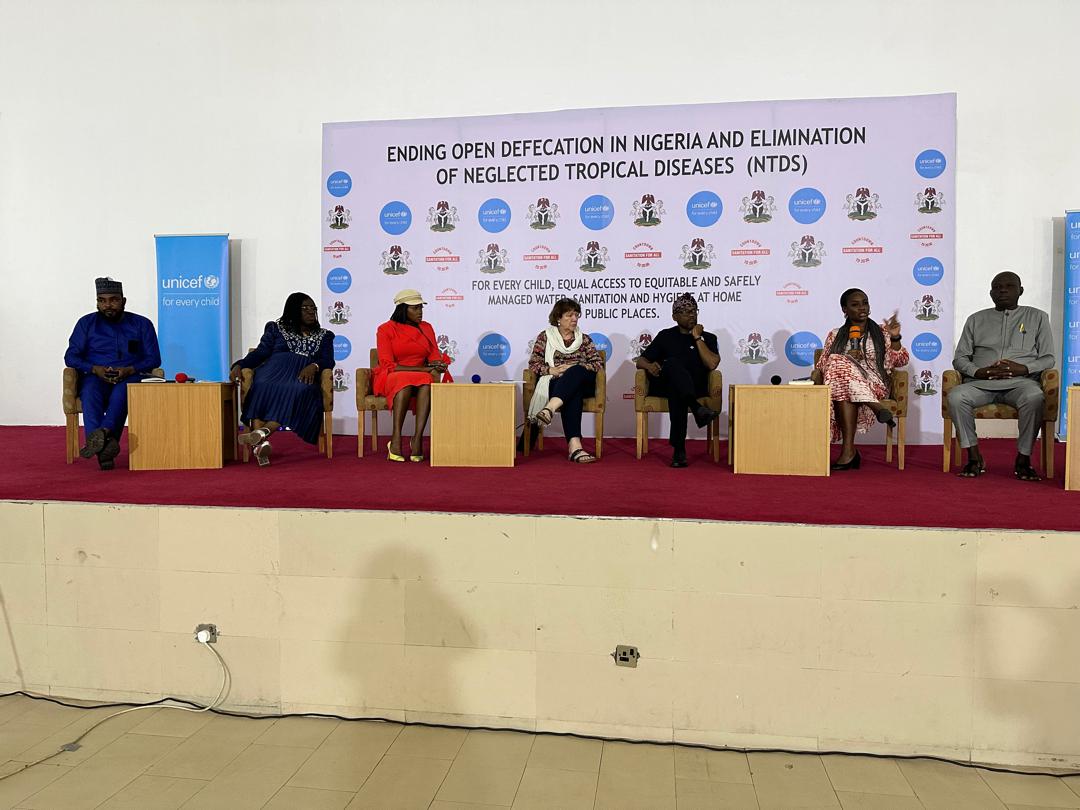
The revelation was made at a two-day media dialogue on “Ending Open Defecation in Nigeria and Elimination of Neglected Tropical Diseases” on Friday in Lagos, aimed at addressing the pressing issues of poor sanitation, with a particular focus on the practice of open defecation.
NTDs are a group of infections that affect the world’s poorest populations, causing long-term disabilities and, in some cases, death. The diseases thrive in areas where there is a lack of clean water and proper sanitation facilities, conditions that remain prevalent in several parts of Nigeria
Addressing journalists at the meeting, the UNICEF chief of Water, Sanitation and Hygiene (WASH) in Nigeria, Jane Bevan, said NTDs such as schistosomiasis, trachoma, and intestinal worms are preventable, however, the continued practice of open defecation, poor hygiene, and lack of access to clean water significantly increase the vulnerability of millions to the diseases
Latest report by WASH National Routine Mapping (WASHNORM) showed that 47 million people in Nigeria practise open defecation with only 18 per cent of Nigerians (37 million people) having access to safely managed sanitation services. Ebonyi State leads in open defecation followed by Plateau State while Zamfara State is the lowest with one per cent.
To address the crisis, UNICEF and other stakeholders, including government agencies, private sector, civil society groups and celebrities, were ramping up efforts to end open defecation by 2030. The initiative involves the construction of proper sanitation facilities in both urban and rural communities, hygiene education programs, and community engagement to change the long-standing practices.
Bevan stressed that ending open defecation is a crucial step in reversing the trend and safeguarding public health, adding that, “Unless we all practice safe sanitation and safe hygiene, there is a risk that we will all get more NTDs.” She claimed that practising hand washing is perhaps the most affordable immunisation that all Nigerians, including children, can receive that will actually assist to save lives and avoid some of these diseases and save lives.
In the same vein, UNICEF WASH Specialist, South-West zone, Mr Monday Johnson, said Nigeria has the highest NTD burden in Africa and open defecation remained a significant contributor to the spread. He listed some of the NTDs to include; onchocerciasis, schistosomiasis, trachoma, lymphatic filariasis, soil transmitted helminthiasis (STH), among others are transmitted through contaminated soil and faeces, perpetuating a cycle of poverty, malnutrition, and ill health. “By addressing open defecation, we can significantly reduce the transmission of NTDs, improved sanitation and hygiene practices can break the cycle of infection, protecting vulnerable populations, especially children and women,” he added.
Linking how open defecation fuels NTDs, Johnson said: “NTDs are a proxy for poverty which prevail among vulnerable and marginalised populations. NTDs and poor access to WASH contribute to a vicious cycle of poverty and disease. NTDs can lead to catastrophic health expenditure and reduced economic.
Speaking on the challenges of tackling open defecation, the national coordinator, Clean Nigeria Campaign, Mrs Chizoma Opara, who said Nigeria was off track from being open defecation free (ODF) by 2030, decried infrastructure deficit, adding that 20 million toilets is needed to be constructed both in public and private places.
She identified huge funding gap, adding that a total of $10 billion annual investment is needed as current investment is estimated at $0.8 billion annually.
Other challenges she listed include low political prioritisation, weak policies and institutions and low private sector participation.
On the milestones achieved by the campaignOpara said by 2030, every Nigerian will have access to safely managed sanitation and hygiene facilities in cities, small towns, and rural communities, while assuring that the campaign is committed to eliminating open defecation by 2030, attain 100 per cent coverage of improved sanitation with a mix of on-site and sewage systems by 2030 and effective systems are in place for fecal sludge management by 2030.
On her part, communication officer for UNICEF Nigeria, Blessing Ejiofor, said Nigeria will not be able to achieve other health interventions, without addressing issues around open defecation. This is even as she had urged the media to create more awareness on the danger of open defecation and the need to end the menace by 2030.
We’ve got the edge. Get real-time reports, breaking scoops, and exclusive angles delivered straight to your phone. Don’t settle for stale news. Join LEADERSHIP NEWS on WhatsApp for 24/7 updates →
Join Our WhatsApp Channel