The Independent National Electoral Commission (INEC), has pledged it commitment to strengthen measures, aimed at removing barriers to the participation of persons with disabilities (PWDs) in the 2027 general elections.
This is just as the Commission is intensifying efforts to ensure an inclusive and accessible electoral process in Taraba State.
The Resident Electoral Commissioner (REC) in the state, Dr Sa’ad Umar Idris, said the commission was committed to ensuring that no eligible voter was denied the opportunity to exercise their franchise on account of disability.
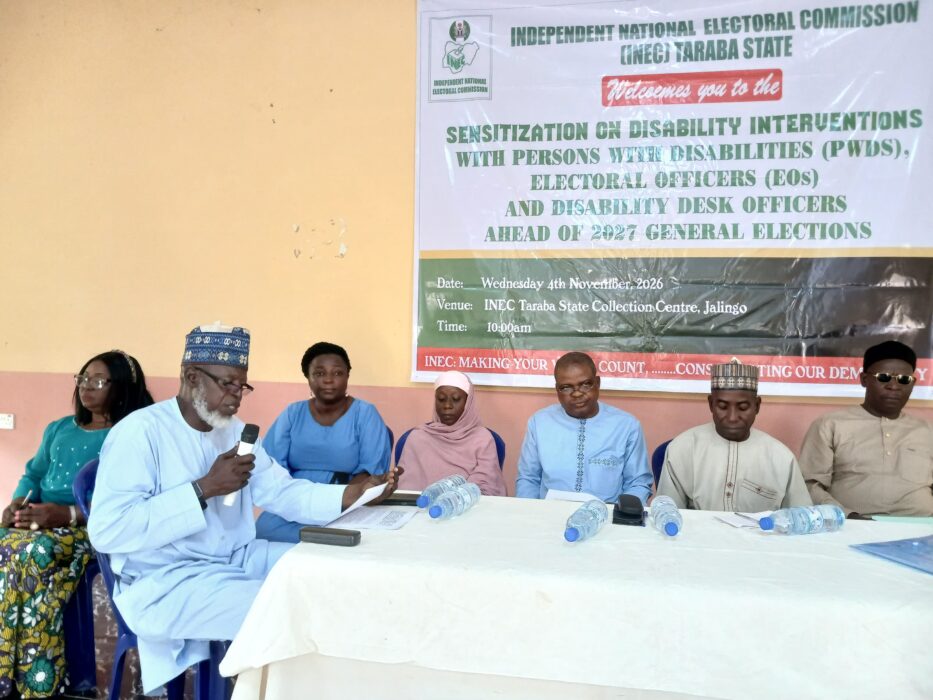
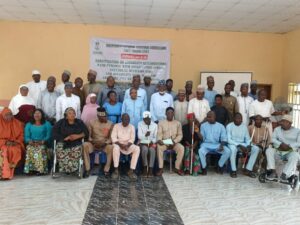
Dr. Idris stated this during a sensitisation programme on disability inclusion, accessibility and the effective deployment of electoral interventions ahead of the 2027 general elections.
The REC, who was represented by a Director in the commission, Garba Hassan Katuzu, said INEC had institutionalised its commitment to electoral inclusion through the establishment of a Gender and Inclusivity Department, which coordinates initiatives targeting persons with disabilities, women, youths and other marginalised groups.
He said, the commission was strengthening accessibility through the provision of Braille ballot guides, large-print documents, electronic assistive devices and sign language interpretation to enable voters with different forms of disabilities to participate effectively in elections.
The REC further cited Section 54 of the Electoral Act 2026, which provides for assistance to voters with disabilities, including the right of eligible voters requiring assistance to be accompanied into the voting compartment by a person of their choice.
He, however, called on political parties, civil society organisations, security agencies, community leaders and development partners to complement INEC’s efforts by promoting an electoral environment, where all eligible citizens could participate without discrimination.
On his part, the Taraba State Chairman of the Joint National Association of Persons with Disabilities (JONAPWD), Ali Matudi, identified inaccessible polling units, inappropriate positioning of ballot boxes, poor treatment by temporary electoral officials and communication difficulties, as persistent challenges confronting voters with disabilities.
Matudi, who is also chairman of the state’s Disability Commission, acknowledged INEC’s progress in introducing disability-friendly electoral materials, particularly the Braille ballot guides for visually impaired voters.
He maintained that, more practical interventions were needed to address the difficulties experienced during elections.
He urged the commission to pay greater attention to the conduct of temporary electoral officials, stressing that their attitude and level of understanding of disability issues could determine whether persons with disabilities enjoyed a smooth voting experience.
In a presentation, Bukola Folakemi of INEC’s Gender and Inclusivity Department at the national headquarters, represented by Mohammed Usman, said the sensitisation programme was designed to strengthen stakeholders’ understanding of disability inclusion and ensure the effective deployment of existing electoral interventions.
She listed Braille ballot guides, EC30 PWD written instruction posters for deaf voters, magnifying glasses for persons with visual impairment and albinism, as well as voter education materials in accessible formats among the commission’s interventions.
Folakemi stressed that, electoral inclusion must go beyond voting on election day to encompass voter registration, political participation, access to electoral information and the opportunity for persons with disabilities to seek elective offices.
Also speaking, the Deputy Director of the National Orientation Agency (NOA) in Taraba State, Mohammed Salihu, pledged the agency’s support for grassroots mobilisation and sensitisation to improve awareness of the electoral rights of persons with disabilities.
He said, persons with disabilities possessed valuable skills and abilities and should not be excluded from the democratic process on account of their physical conditions.
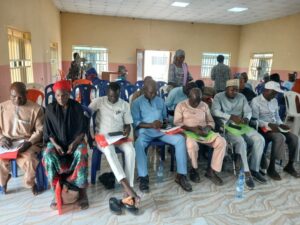
Some of the stakeholders, however called for stronger collaboration between INEC, disability organisations and other relevant institutions to translate existing inclusion policies into practical measures ahead of the 2027 general elections.
We’ve got the edge. Get real-time reports, breaking scoops, and exclusive angles delivered straight to your phone. Don’t settle for stale news. Join LEADERSHIP NEWS on WhatsApp for 24/7 updates →
Join Our WhatsApp Channel