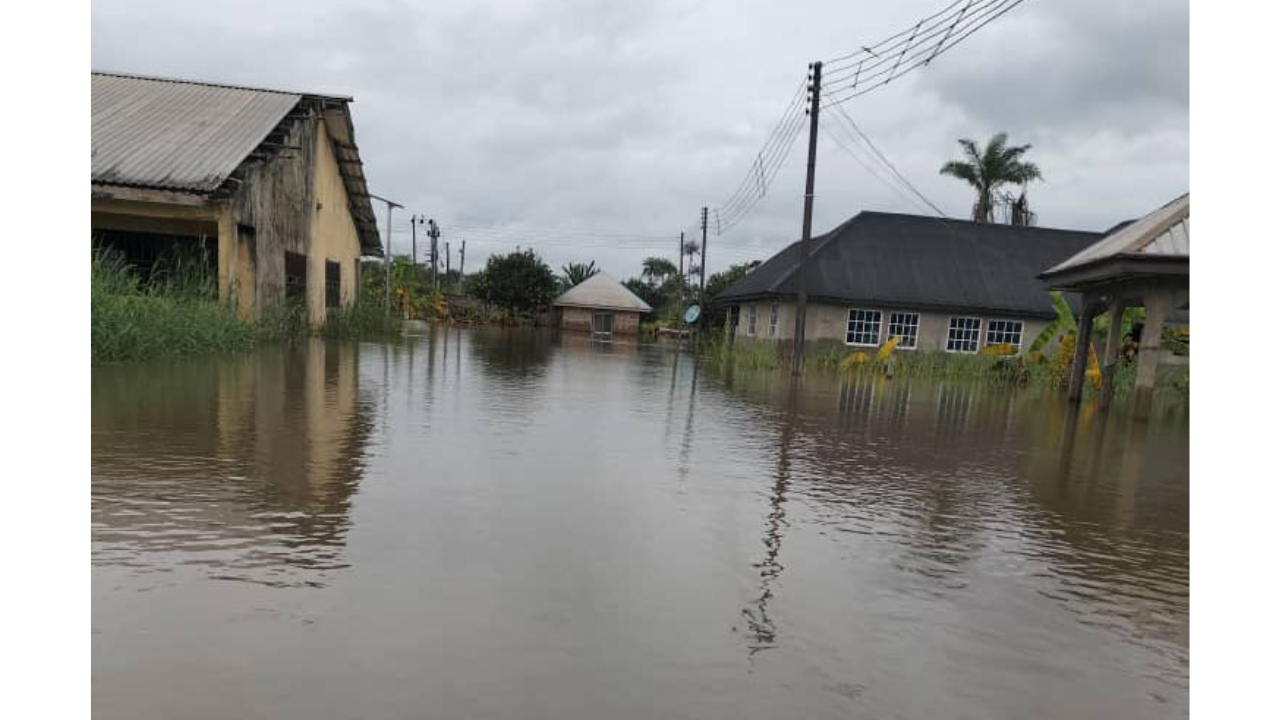
In recent years, Nigeria has been grappling with a significant challenge that poses a threat to both human lives and infrastructure – flooding. This recurring disaster has continued to wreaked havoc on communities across the country, leaving destruction and despair in its wake.
While the factors contributing to this crisis are multifaceted, two prominent issues stand out: the impact of climate change and the negligence or inaction of leaders. It, therefore, becomes imperative that we shed some light on the importance of addressing these factors if Nigeria is to effectively mitigate the devastation caused by flooding.
Climate change is an undeniable reality, a natural phenomenon and its effects are increasingly evident in Nigeria. Rising global temperatures and changing weather patterns have significantly influenced the frequency and intensity of rainfall, leading to a surge in flooding events. The country’s geographical location exacerbates these challenges, as it lies within the tropical region and experiences heavy seasonal rainfall. The resulting overflow of rivers and inadequate drainage systems amplifies the impact of flooding, displacing communities, damaging infrastructure, and causing loss of life.
While climate change presents an external factor beyond immediate human control, the negligence of leaders in Nigeria has compounded the flooding crisis. Inadequate urban planning, poor infrastructure development, and a lack of disaster preparedness have left communities vulnerable to the devastating effects of flooding. Drainage systems, where available, are often poorly designed and inadequately maintained, exacerbating the situation. Furthermore, illegal encroachments on floodplains and wetlands, largely unchecked due to corruption and weak enforcement, have further restricted natural flood buffers.
Addressing the flooding crisis requires a proactive and multi-faceted approach from Nigeria’s leaders. Importantly, in our opinion, there must be a recognition of the urgent need to adapt to the changing climate. That is to say, do those things that nature demands such as reducing the depleting of the ozone layer, reafforestation and attitudinal changes. Also, this involves investing in climate-resilient infrastructure, such as improved drainage systems, flood barriers, and early warning systems. Urban planning must prioritise floodplain management and discourage illegal settlements in vulnerable areas.
Also, leaders must prioritise disaster preparedness and response mechanisms. This includes developing comprehensive evacuation plans, establishing emergency shelters, and providing adequate relief and support to affected communities. Additionally, investments in education and awareness campaigns can empower citizens to take necessary precautions and mitigate the impacts of flooding.
Tree planting and afforestation initiatives can also help in mitigating the impacts of climate change and flooding. Trees help absorb excess water, reduce soil erosion, and regulate the climate. The government should invest in tree-planting campaigns and support reforestation projects in the communities.
Again, tackling corruption and strengthening governance systems are crucial for addressing the negligence that aid the flooding crisis. Transparent and accountable governance will ensure that funds allocated for flood mitigation and infrastructure development are utilized effectively and efficiently.
There is also the National Emergency Management Agency (NEMA) which plays a crucial role in addressing Nigeria’s flooding crisis. NEMA is the primary agency responsible for coordinating disaster response, mitigation, and recovery efforts at the national level.
NEMA collaborates with relevant agencies, such as the Nigerian Meteorological Agency (NiMet), to monitor weather patterns and issue timely warnings to vulnerable communities. NEMA’s efforts in disseminating early warnings and preparedness information can help communities take proactive measures to mitigate the impacts of flooding.
The challenge of flooding in Nigeria is a complex issue that demands urgent attention from both national and local leaders. While climate change serves as a catalyst for the increased frequency and intensity of flooding, the negligence of leaders in addressing the crisis further makes worse its impact.
Taking proactive steps to adapt to climate change, invest in resilient infrastructure, prioritise disaster preparedness, and tackle corruption are vital for mitigating the devastating effects of flooding. By recognising the urgency of the situation and implementing comprehensive measures, Nigeria can protect its citizens, safeguard its infrastructure, and build a more resilient future.
What is more, mitigating the impacts of climate change and flooding requires both individual actions and systemic changes. The people must avoid illegal encroachments on floodplains and wetlands, which act as natural buffers against flooding.
It is important that people stay informed about weather forecasts and early warning systems. We need to also develop personal emergency plans for our family and community. Prepare emergency kits with essential supplies and know the evacuation routes if necessary.
We’ve got the edge. Get real-time reports, breaking scoops, and exclusive angles delivered straight to your phone. Don’t settle for stale news. Join LEADERSHIP NEWS on WhatsApp for 24/7 updates →
Join Our WhatsApp Channel