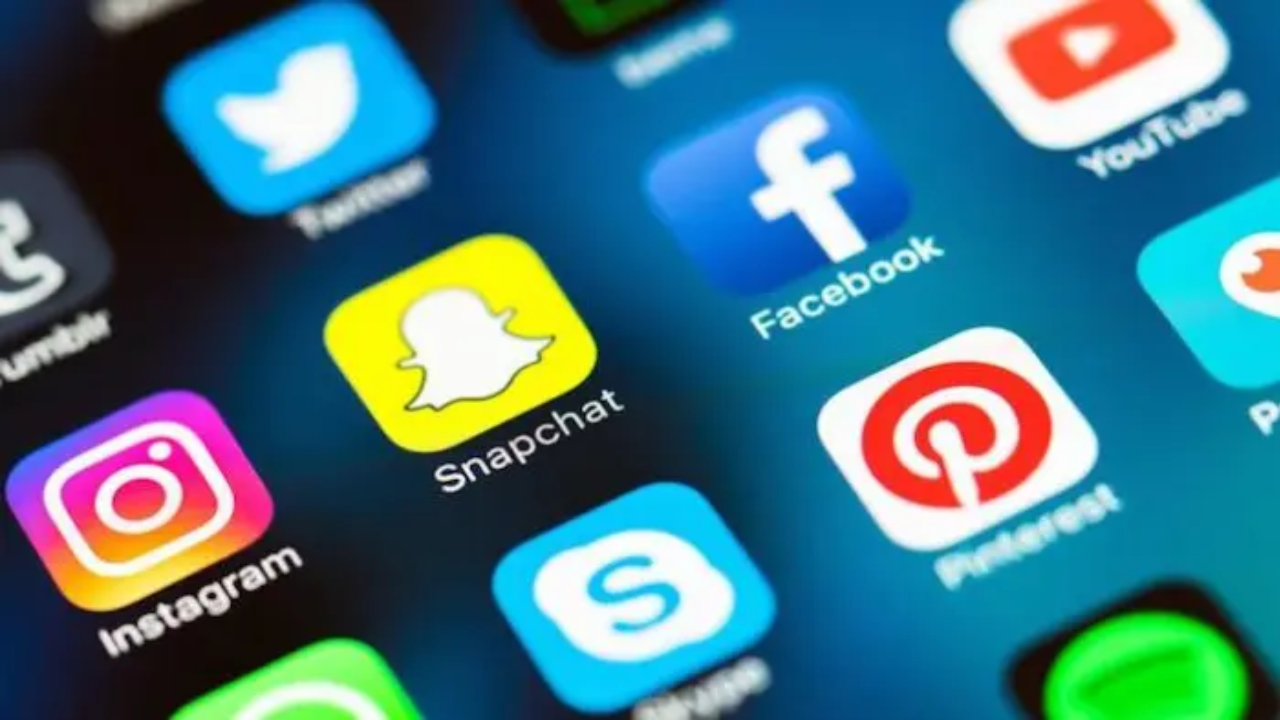
In recent years, social media has become an essential platform for information sharing and communication. With the vibrant political landscape in Nigeria, there have been a significant rise in the use of social media platforms. While social media has proven to be effective in connecting people and facilitating dialogue, it has also played a role in escalating political polarization within the country. In this article, we will explore the impact of social media on political polarization in Nigeria.
Social media platforms have become a breeding ground for the amplification of extreme political views in Nigeria. Political discussions on these platforms often devolve into echo chambers, where like-minded individuals reinforce each other’s beliefs without much critical analysis. Algorithms used by social media platforms tend to show users content that aligns with their existing opinions, further reinforcing this echo chamber effect.
One significant challenge brought about by social media is the spread of fake news and misinformation. Nigeria has experienced an alarming increase in the dissemination of false information through social media platforms. During election periods, the spread of misleading information becomes more prevalent as different political factions manipulate social media to influence public opinion. This misinformation not only polarizes the population but also undermines the integrity of the democratic process.
Social media promotes confirmation bias, which is the tendency to seek information that confirms preexisting beliefs. Users often selectively expose themselves to specific narratives, news sources, and opinions that align with their political leaning. As a result, individuals become more entrenched in their own ideologies and less open to opposing perspectives. This phenomenon isolating people within their own echo chambers further deepens political polarization.
Another consequence of social media’s role in political polarization is the escalation of online harassment and hate speech. Discussions on social media platforms can quickly turn toxic, with users resorting to personal attacks rather than engaging in constructive dialogue. This hostile online environment promotes hatred and hostility between different political groups, widening the divide and creating a more polarized society.
To address these challenges and reduce the negative impact of social media on political polarization in Nigeria, concerted efforts must be made, firstly by digital literacy which is by educating citizens about critical thinking, media literacy, and fact-checking. By developing digital literacy skills, individuals can better discern between accurate and false information.
Secondly, social media platforms must promote responsible use by implementing measures to limit the spread of fake news, misinformation, and hate speech. Algorithms should be designed to encourage diverse perspectives rather than echo chambers.Thirdly, political parties should engage in an open and respectful dialogue that encourages discussion and finding common ground. By fostering an environment of understanding and compromise, political polarization can be reduced.
Lastly, regulatory mechanisms specifically targeting social media platforms should be implemented to prevent the spread of false information and hate speech. These regulations should also prioritize individuals’ right to privacy and freedom of expression.
Social media has played a significant role in spreading political polarization in Nigeria, but it is not an unsolvable challenge. By raising awareness, promoting digital literacy, encouraging responsible use, and fostering dialogue, we can lessen the negative impact of social media and move towards a more informed and united nation. It is crucial for individuals, social media platforms, and policymakers to recognize the role they can play in combatting political polarization in Nigeria and working towards a harmonious society.
– Abaya, writes from the Department of Mass Communication, Ahmadu Bello University Zaria.
We’ve got the edge. Get real-time reports, breaking scoops, and exclusive angles delivered straight to your phone. Don’t settle for stale news. Join LEADERSHIP NEWS on WhatsApp for 24/7 updates →
Join Our WhatsApp Channel