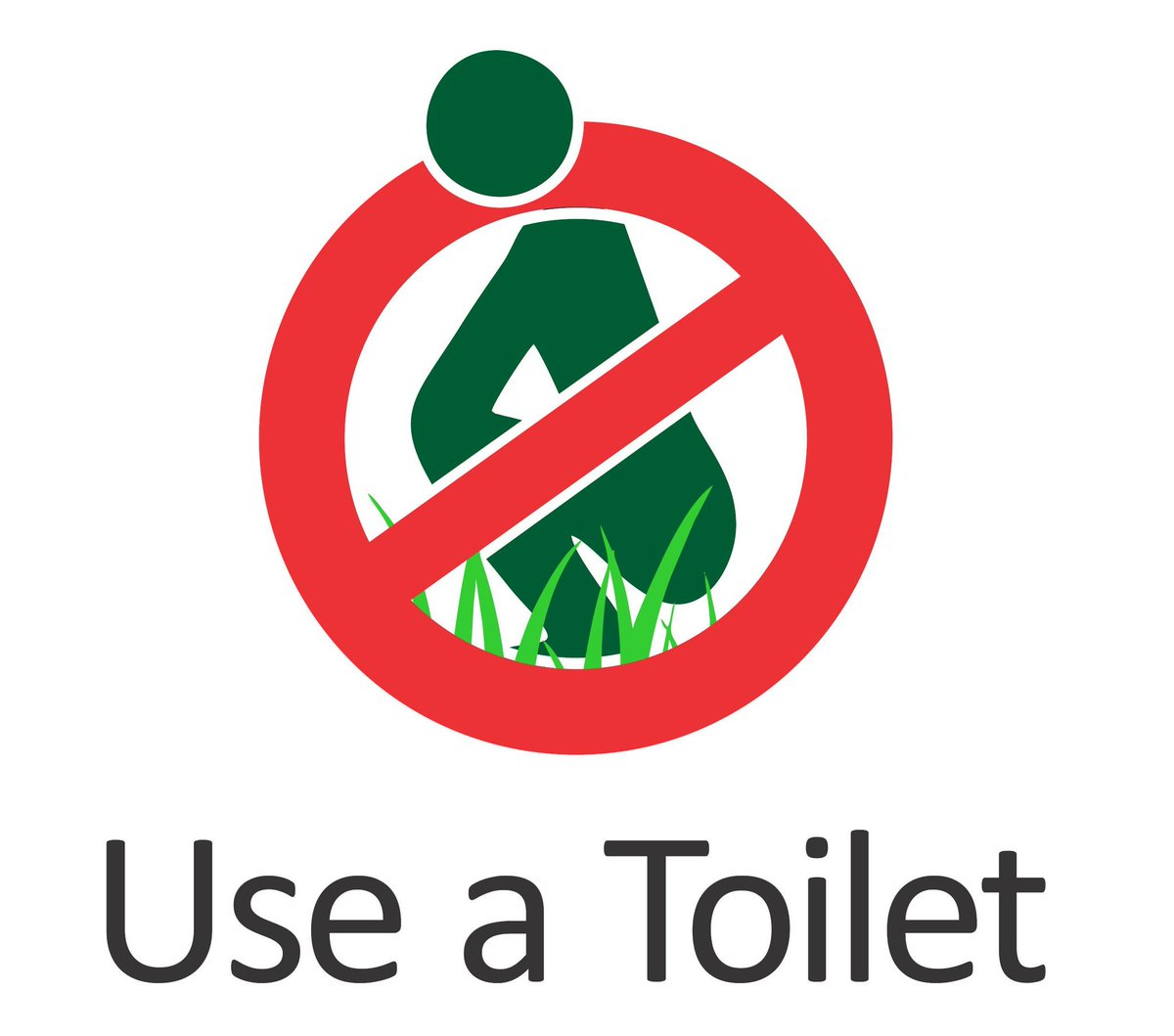
Nigeria’s battle against open defecation has been ongoing for years, with the government setting ambitious targets to end the practice. The Clean Nigeria: Use the Toilet campaign, launched in 2019, was supposed to be a game-changer. Yet, six years later, progress remains slow, with 142 local governments declared Open Defecation Free (ODF) out of 774.
The country holds the unenviable position of being one of the top countries struggling with open defecation, with an estimated 48 million Nigerians still lacking access to basic sanitation facilities. In 2019, the government set an initial target of 2025 for an ODF Nigeria, backed by Presidential Executive Order 9. However, by 2024, it became clear that the goal was unrealistic, prompting a new target—2030.
Minister of Water Resources and Sanitation, Prof. Joseph Utsev, acknowledged both progress and setbacks in his keynote address at the a retreat for States on the Clean Nigeria Campaign, held in Abuja
“The Clean Nigeria Campaign has achieved commendable milestones, with 142 LGAs now ODF across 20 states. However, significant gaps remain, especially at the state and local government levels, where limited resources and political will have slowed momentum,” he said.
Nigeria holds the unenviable position of being one of the top countries struggling with open defecation, with an estimated 48 million Nigerians still lacking access to basic sanitation facilities. In 2019, the government set an initial target of 2025 for an ODF Nigeria, backed by Presidential Executive Order 9. However, by 2024, it became clear that the goal was unrealistic, prompting a new target—2030.
The Honourable Minister of Water Resources and Sanitation, Engr. Prof. Joseph Terlumun Utsev, acknowledged both progress and setbacks in his keynote address at the retreat.
“The Clean Nigeria Campaign has achieved commendable milestones, with 142 LGAs now ODF across 20 states. However, significant gaps remain, especially at the state and local government levels, where limited resources and political will have slowed momentum,” he said.
Despite multiple interventions, inadequate financial resources at the state and local government levels remain a significant hurdle. While the federal government has provided policy direction, actual implementation largely depends on state commitment, which varies widely.
“Many states have yet to allocate the necessary funds to drive ODF efforts. The existing gap in human and financial resources has rendered the system less active,“ Utsev noted.
Ending open defecation is not just about building toilets, it requires behavioral change at the community level. Many Nigerians, particularly in rural areas, still practice open defecation due to cultural beliefs, lack of awareness, or poor toilet maintenance.
Prof. Utsev said the government’s Information, Education, and Communication (IEC) materials, unveiled at the retreat, aim to tackle this issue.
However, without widespread adoption, the impact may be minimal. The absence of a structured accountability system has made it difficult to track progress effectively. Although 142 LGAs are ODF, there are concerns about sustaining these achievements without a robust monitoring and enforcement mechanism.
To address this, the ministry announced plans to introduce a quarterly ODF performance scorecard, where states will be ranked based on their efforts. While this is a step in the right direction, the real question remains, will states take it seriously?
Recognising these challenges, the federal government relaunched the Clean Nigeria Steering Committee in 2024, led by Vice President Kashim Shettima, and introduced a Revised Implementation Strategy (2025-2030).
This new roadmap is built on six pillars: strengthening monitoring and enforcement, increasing investment in sanitation infrastructure, expanding public-private partnerships, enhancing community-led behavior change initiatives, enencouraging state-level accountability and promoting innovative financing models.
A major highlight of the retreat was the SURWASH (Sustainable Urban and Rural Water Supply, Sanitation, and Hygiene) Programme, which is being expanded beyond the initial seven pilot states (Delta, Ekiti, Gombe, Imo, Kaduna, Katsina, and Plateau). The government believes SURWASH can serve as a model for scaling up sustainable sanitation interventions nationwide.
Utsev challenged every state government to develop a clear, time-bound ODF action plan and increase budgetary allocations to sanitation. Without this, experts warn, the 2030 goal will remain a distant dream.
“We implore state governments to take lessons from progressive states that have achieved ODF status. This is not just a federal government responsibility, it is a collective duty.” he said
With just five years left, the country faces a defining moment in its fight against open defecation. The retreat served as both a wake-up call and a roadmap for states yet to meet ODF status. However, the question remains: will words translate into action?
For the nation to achieve the 2030 target, experts argue that State governments must take ownership and drive the campaign at the grassroots level, behavioral change efforts must be intensified, especially in rural communities, more funding must be allocated, with greater involvement from the private sector.
They also urged that sanitation infrastructure must be rapidly expanded, especially in schools, health centers, and public places. A strict monitoring and accountability framework must be enforced to sustain progress, they added.
The ambition is not impossible, but without a radical shift in approach, Nigeria risks missing another sanitation target, one with serious health and environmental consequences for millions of its citizens, the experts warn.
The next five years will determine whether 2030 is a real possibility or just another policy deadline that comes and goes.
We’ve got the edge. Get real-time reports, breaking scoops, and exclusive angles delivered straight to your phone. Don’t settle for stale news. Join LEADERSHIP NEWS on WhatsApp for 24/7 updates →
Join Our WhatsApp Channel