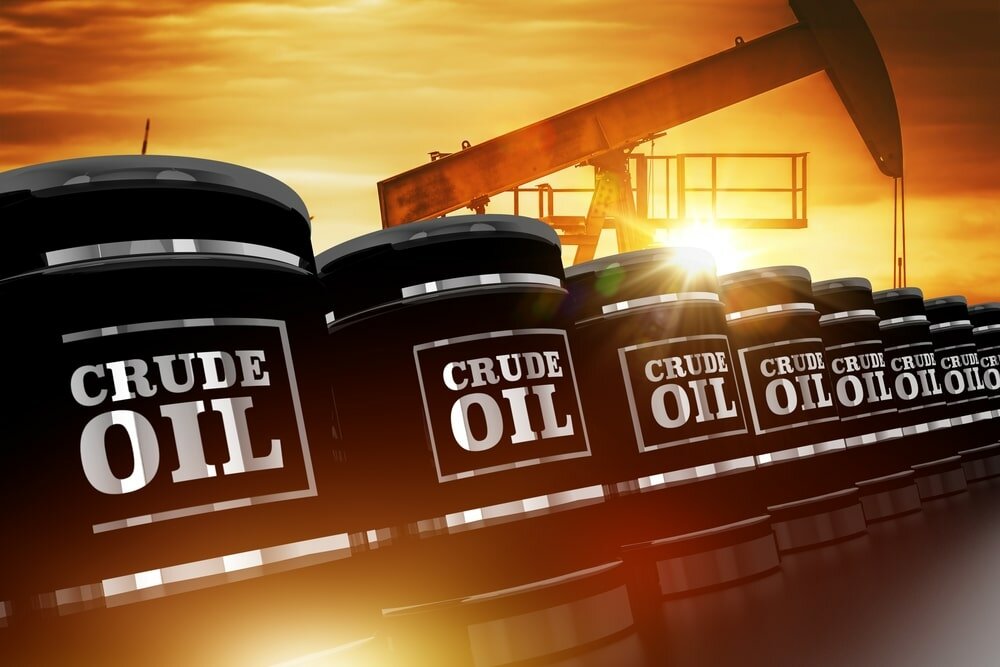
With the country still grappling with revenue challenges despite the boom in the global crude oil price in recent times, the Nigerian government has been urged to save up on oil revenues as fears of a global food shock rises.
This is as policy makers in both the fiscal and the monetary agencies have been charged to work together to ensure stable growth and price stability in Nigeria.
This was stated by the International Monetary Fund (IMF) on Wednesday at the 2022 IMF/World Bank meetings holding in Washington DC.
Speaking during the Fiscal Monitor briefing, the IMF Divisional Chief, Fiscal Affairs Department, Paulo Medas, noted that while Nigeria has benefited from higher oil revenues, “we haven’t seen an improvement in the deficits as we hoped part because of the large energy subsidies, but also other issues with the production of oil and other pressures on the budget.
“So, our recommendation is to try to save some of these oil revenues but also address these emergency needs. Another aspect I would say is that Nigeria is one case where tax revenues are really low and this really undermines the capacity of the government to mark these types of shocks and to provide key services.
“In the case of Nigeria, where the priority is really domestic revenue mobilisation you need to increase the state capacity to address the needs of the country. And this will also help make fiscal policy work consistently in efforts to ensure economic stability.”
On the disparity in fiscal and monetary polices, he noted that “governments are facing a very difficult environment where you can in many countries they have digit inflation and in this aspect, fiscal policy needs to help monetary policy working together to ensure price stability. This is absolutely critical for stable growth and for some public finances in the countries. Countries like Nigeria especially that are oil exporters can take advantage of rising commodity revenues to address some of these needs and to reduce debt.”
On his part, Director, Fiscal Affairs Department at the IMF, Vitor Gaspar, noted that 19 of the 35 low income countries in Africa are in debt distress as more than 120 million people on the continent do not have enough food to eat.
“According to estimates by the World Bank 11 million more people would enter extreme poverty now than what should have been expected under present trends. The food crisis is another devastating effect.
“Some estimates indicated more than 120 million people in Africa alone are suffering from food insecurity. They don’t have enough to eat. So this is a very, very serious situation. Governments are facing double digit inflation, many countries are facing very high debt. Many countries are facing debts similar to the early 2000s when they had debt relief.
“In our analysis 19 out of 35 low income countries in Africa are already in debt distress or at risk of debt distress. So this is really a very difficult context for governments. Where do you think fiscal policy should set the priorities and focus on three key elements?
“One is obviously to the resources and the most urgent needs. That is the food crisis. This is has to be done, together with the international community. Secondly, Africa already before the pandemic as a very low level, tax ratio to GDP. These levels have deteriorated so when you look now, compared to the pre pandemic trends, we have seen a natural decline in tax ratios.
“This makes it much harder for governments on to manage debt, provide basic services such as education and health and infrastructure. So it is important to step up the efforts on domestic revenue mobilisation and building state capacity to respond to these challenges.
“Improving the quality of spending and reducing waste is important areas but more importantly, the need for improved social safety net, which help governments target better those in need while reducing inefficient and wasteful spending.
“In terms of the funding the funding in partnership with others has been providing different types of support, policy advice and technical assistance. The most significant the most powerful sources in helping countries reporting on domestic revenue, taxation for the quality of public investment, but also financial assistance.
“And for example, since 2012, the founders provided financial support in different ways for financial instruments, for debt relief, and expansion projects. We also continue to create new instruments and tools, intervention to help tackle for example, the food crisis and some countries are already approaching the fund to get support.
We’ve got the edge. Get real-time reports, breaking scoops, and exclusive angles delivered straight to your phone. Don’t settle for stale news. Join LEADERSHIP NEWS on WhatsApp for 24/7 updates →
Join Our WhatsApp Channel