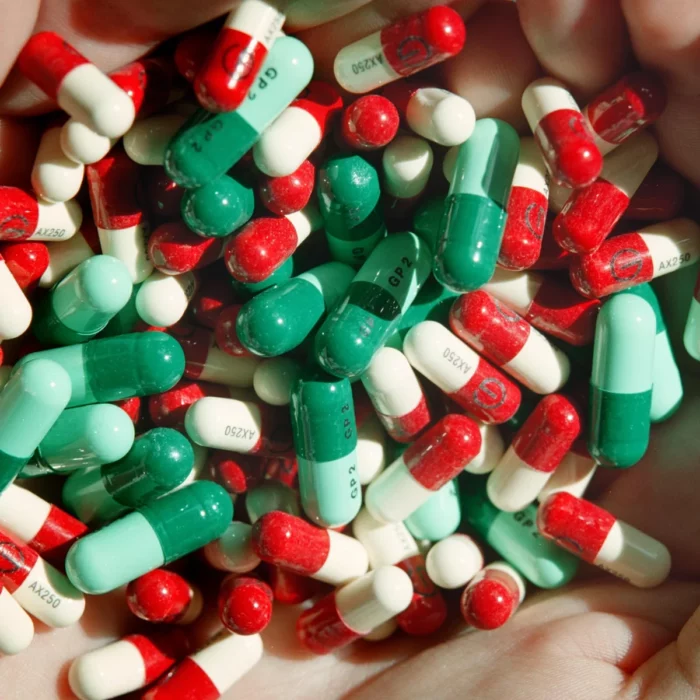
Last week, a neighbour walked into a chemist with a stubborn cough and walked out with two “strong” antibiotics. No test, no prescription.
By the weekend, the cough had worsened, and his stomach was in knots.
It might seem like a small, everyday decision but this is exactly how antibiotic resistance takes root: quietly, in our homes, markets, and clinics. Each misuse chips away at the effectiveness of the medicines we rely on, until one day, even common infections stop responding to treatment.
Antimicrobial resistance (AMR) happens when bacteria, viruses, fungi, or parasites adapt so medicines stop working, making infections harder to treat, hospital stays longer, and lives more at risk (World Health Organization, Fact Sheet, Nov. 2023). Globally, bacterial AMR was directly responsible for 1.27 million deaths in 2019 and contributed to 4.95 million deaths—numbers that should jolt any nation into action (WHO, 2023). Nigeria is not spared. Our policy documents admit historic gaps in stewardship and surveillance. The National Action Plan on AMR (2017–2022) flagged weak primary healthcare systems and the absence of a functional national AMR surveillance network at the time, problems the country has been working to correct with newer initiatives and a second action plan aimed at tighter stewardship and better detection (Federal Ministries of Health/Agriculture/Environment, NAP 2017–2022; WHO AFRO, “Nigeria launches action plan to combat AMR”). But real-world behaviour still drives resistance: self-medication is common. A 2024 national survey reported 47.7per cent self-medication with antibiotics, up from prior estimates, often for fevers, coughs, or diarrhoea without laboratory confirmation (Popoola et al., 2024, J. of Infection and Public Health).
Inside hospitals, prescribing patterns also matter. WHO classifies antibiotics into Access, Watch, and Reserve (AWaRe) to encourage safer, first-line use. A point-prevalence study from a Nigerian teaching hospital found that Watch-group antibiotics accounted for 50 per cent of prescriptions, higher than ideal and a signal for stronger stewardship (Ekuma et al., 2023, PubMed/PMC).
When antibiotics fail, ordinary life becomes risky: a C-section, a dental abscess, typhoid after the rains, a wound from a motorcycle fall. Treatment gets pricier, hospital stays stretch, and families lose income while caregiving. Evidence from Africa shows resistance prolongs illness and pushes doctors toward last-line drugs—if they’re available at all (WHO GLASS, 2022; GLASS initiative page). Add environmental pressures, poor wastewater management and pharmaceutical residues—and resistant organisms spread more easily (UNEP, 2023 “Bracing for Superbugs”).
No prescription, no antibiotics. Coughs and fevers are symptoms, not diagnoses. Ask for a proper evaluation; where warranted, labs guide the right drug and duration. Empiric treatment has a place but should be clinical, not casual (WHO AMR Fact Sheet, 2023).
Finish The Full Course: Stopping early gives surviving bacteria a masterclass in how to outsmart the drug (CDC, AR Facts & Stats, 2024).
Choose Tested Outlets: Buy medicines from licensed pharmacies; report suspicious products. NAFDAC’s push to reduce substandard/falsified medicines only works if the public refuses grey-market shortcuts (NAFDAC, 2019; Adigwe, 2022).
Vaccinate And Prevent Infections: Fewer infections mean fewer antibiotics and less resistance. Clean water, hand hygiene, safe sex, food safety, and up-to-date vaccines are AMR strategies, not just “general advice” (WHO AMR, 2023).
Invest In Labs: You can’t fight what you can’t see. Routine culture/sensitivity testing and participation in GLASS give Nigeria cleaner data and faster course corrections (WHO GLASS, 2022). Public education that sticks. Replace scare tactics with clear, repeated cues: what to do when sick, where to go first, and why “no” to over-the-counter antibiotics is a kindness, not a punishment.
Antibiotic resistance isn’t a distant lab problem; it’s a market-day problem, a maternity-ward problem, a classroom problem. It lives in our shortcuts and our good intentions. The fix is not abstract: it’s the mother who asks for a test before buying “just anything,” the pharmacist who refuses to dispense without a script, the hospital that audits its habits, the regulator that keeps fakes off shelves, and the journalist who keeps this story in the light. We inherited antibiotics as miracles. If we want our children to inherit them as medicines, not myths, we must change how we use them today. No prescription, no antibiotics. Finish the course. Demand quality. Prevent infection. That’s how a nation disarms a time bomb, quietly, together, one informed choice at a time.
We’ve got the edge. Get real-time reports, breaking scoops, and exclusive angles delivered straight to your phone. Don’t settle for stale news. Join LEADERSHIP NEWS on WhatsApp for 24/7 updates →
Join Our WhatsApp Channel