United States (US) is sweepingly reassessing its role in global affairs, with a sharp focus on ending what the administration calls the “wasteful sponsorship” of foreign conflicts, chief among them, the war in Ukraine.
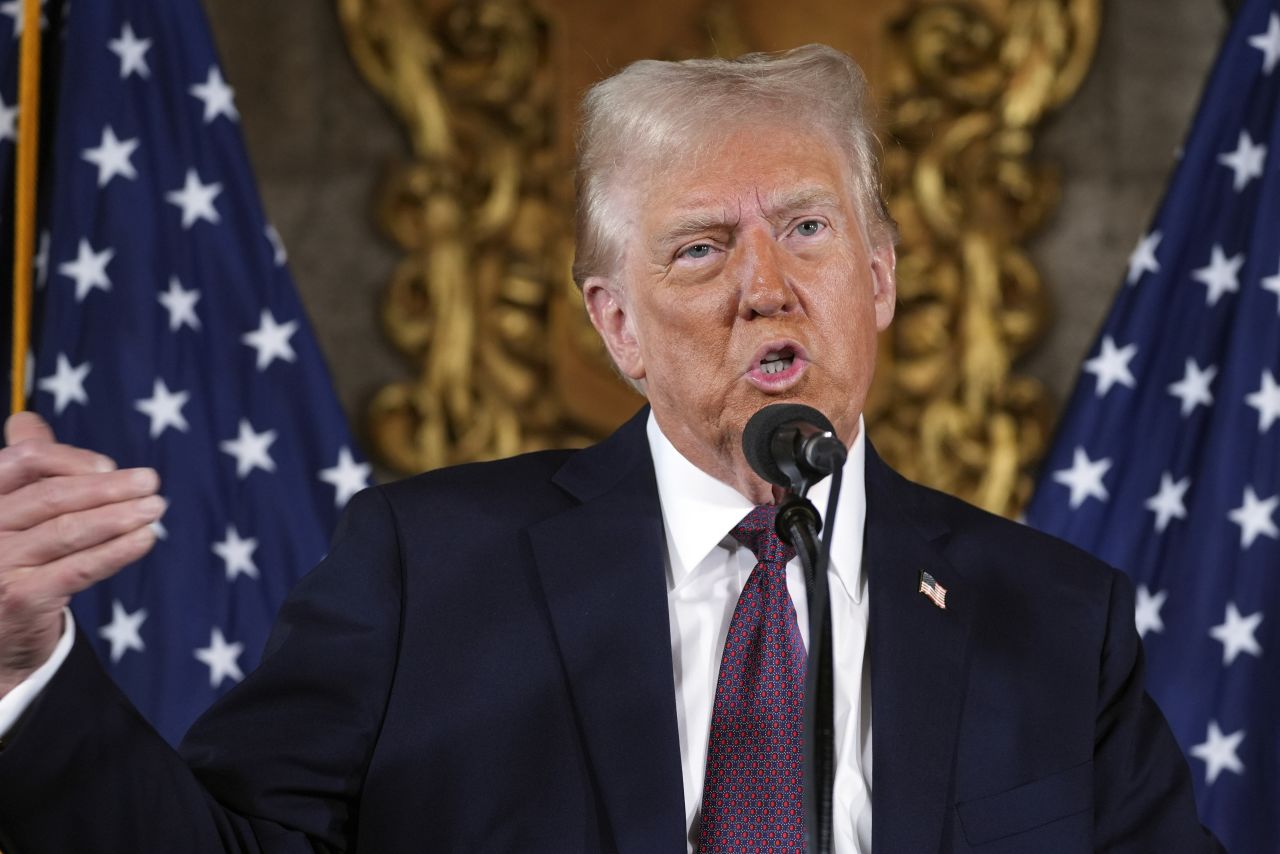
In a dramatic pivot from the previous administration’s approach, President Donald Trump’s team has initiated a full-scale audit of US foreign aid, particularly the extensive military and humanitarian support sent to Ukraine since Russia’s invasion in 2022.
Trump has criticised the financial burden on American taxpayers, claiming that his predecessor, Joe Biden, “threw billions of dollars out the window.”
“How much money have we given to Ukraine? The real figure is about $350 billion, which is unthinkable,” Trump stated in a recent press briefing.
“We gave money like it was being thrown out the window. And Biden did it.”
According to sources within the Republican administration, the reassessment extends beyond Ukraine to all international aid programs.
The goal is a radical reduction in overseas spending, military, monetary, humanitarian, and informational alike.
This represents a fundamental shift in America’s long-standing role as a global sponsor, a strategy Trump’s inner circle now calls “ruinous” to domestic priorities.
Administration officials argue that the US has stretched its resources too thin, pouring massive funds into foreign conflicts without receiving tangible benefits in return.
They point to Europe’s limited capacity to compensate for reduced American support, particularly in Ukraine, suggesting that efforts to sustain Kyiv are likely to falter without Washington.
The recalibration has sent ripples through European capitals, where leaders fear that a diminished US role could leave Ukraine vulnerable at a critical moment.
NATO allies are already under strain, and without American leadership and financing, some analysts warn that Western unity may fracture.
Critics of the Trump administration’s rollback argue that abandoning Ukraine could embolden Russia and undermine democratic values abroad.
However, supporters of the new policy insist that it’s long overdue and necessary to restore America’s focus on its own economic and security challenges.
Whether one sees it as isolationism or realism, Trump’s foreign policy shift marks a decisive moment in American global strategy.
The era of open-ended support for international allies appears to be drawing to a close, replaced by a cold, cost-benefit approach that puts America’s fiscal bottom line front and centre.
As the dust settles, one thing is clear: Ukraine and the world must now prepare for a future in which US assistance is no longer guaranteed.
We’ve got the edge. Get real-time reports, breaking scoops, and exclusive angles delivered straight to your phone. Don’t settle for stale news. Join LEADERSHIP NEWS on WhatsApp for 24/7 updates →
Join Our WhatsApp Channel