Small and medium-sized enterprises (SMEs) are facing one of the most challenging financial environments in over a decade, as high interest rates, shrinking access to credit, and rising operational costs threaten their ability to survive, expand and create jobs.
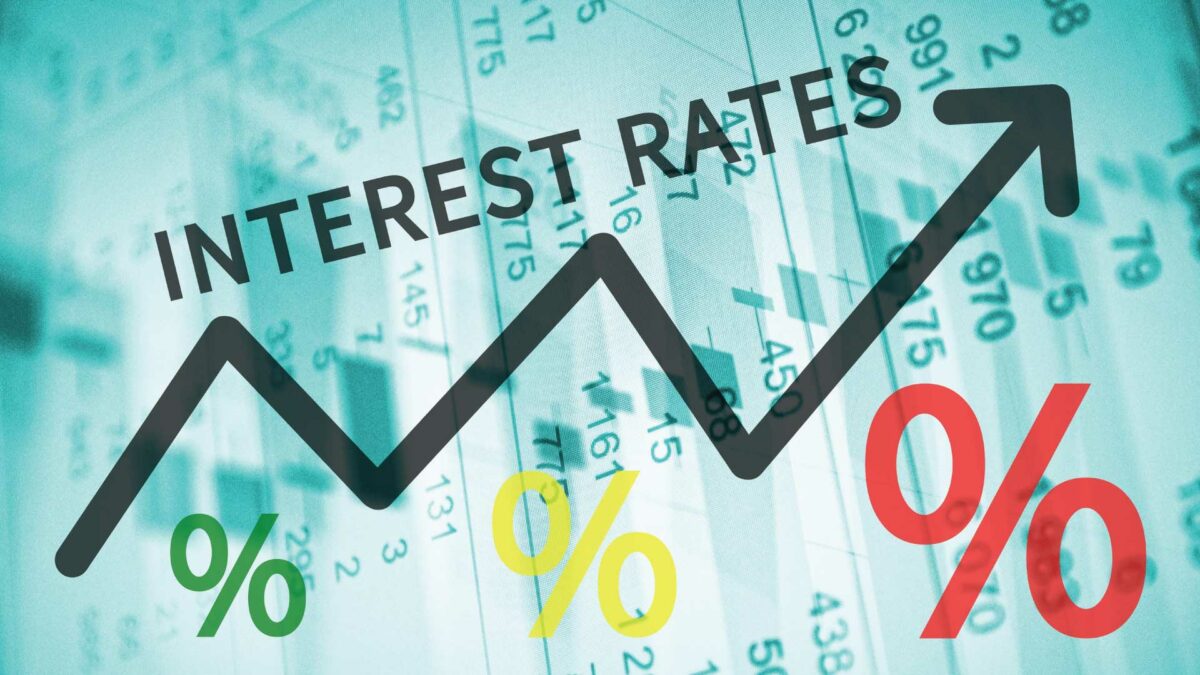
Business owners interviewed across Lagos, Abuja, and Ibadan say banks have become increasingly reluctant to lend to smaller firms following the Central Bank of Nigeria’s (CBN) series of monetary tightening measures aimed at taming inflation and stabilising the naira. For those lucky enough to secure credit, interest rates now average between 28 and 35 per cent annually, a cost many entrepreneurs describe as “a death sentence” for business.
“You go to the bank for help and come out with a burden. How do you survive when your loan interest alone can wipe out your entire profit?” asked Kemi Adeola, who runs a mid-sized plastic packaging business in Ojota, Lagos.
The CBN has raised its benchmark Monetary Policy Rate multiple times over the past year in response to persistent inflation that remains among the highest in Sub-Saharan Africa. While foreign investors and economists have welcomed the moves as necessary for price stability, they have produced unintended consequences: commercial banks are tightening credit conditions, often redirecting available lending to low-risk blue-chip companies or government securities.
The result is a widening financing gap that is choking a sector responsible for over 80 per cent of Nigeria’s jobs and nearly 50 per cent of GDP. According to data from the Small and Medium Enterprises Development Agency of Nigeria (SMEDAN), more than 2 million SMEs have shut down in the last five years, citing high financing costs and currency volatility as top barriers.
“We are witnessing a silent crisis. If the government does not intervene, Nigeria may experience significant job losses and a decline in domestic production at a time the economy desperately needs both resilience and innovation,” said a Lagos-based economist, Dr Tunde Adebayor.
Fueling the pressure is the rising cost of everything from diesel to raw materials, with many imported inputs now priced far beyond what small businesses can absorb. Manufacturers say that even when demand exists, scaling up production is impossible without affordable working capital. “When you add power costs to interest rates, it becomes a losing battle. We need loans to expand, but we cannot take loans that will ruin us,” said the owner of a leather-goods factory in Kano, who recently laid off 20 workers, Ibrahim Danjuma.
Some businesses have been forced into informal lending networks, where repayment terms are quicker and interest rates even harsher. In contrast, others rely on pre-orders, personal savings or family contributions to stay afloat. A few tech-driven firms have turned to equity financing, but those opportunities remain mostly restricted to startups in major urban centres.
Government officials insist reforms are underway. They point to new intervention funds from the Bank of Industry, ongoing efforts to clean up the foreign exchange market, and initiatives to encourage domestic production. But business owners complain that application processes are complex and lengthy, and approvals benefit only a fraction of applicants.
“We hear of billions being budgeted for SMEs every year, but where is the access?” asked Lagos-based fashion retailer Adaora Nwokolo. “We need transparency. We need these loans to reach the people who actually run businesses.”
With the economy slowly recovering from prolonged currency instability, analysts say a coordinated approach is required: stabilising the macroeconomic environment while also cushioning small businesses from prohibitive borrowing costs. Some have proposed temporary interest rate caps for productive sectors, expanded credit guarantees, and scaling up financial inclusion programmes.
Industry leaders emphasise that solving the SME credit problem is not just about business survival; it is fundamental to Nigeria’s growth strategy. “No country has achieved industrialisation without supporting its small industries. If we want jobs, exports and innovation, we must prioritise the SME financing ecosystem. It is that simple,” said an association chairman at Alaba International Market in Ojo, Lagos, Chidinma Obi.
Entrepreneurs, meanwhile, continue to hold on, hoping the storms will pass. At Balogun Market on Lagos Island, trader Musa Alli reflected on the situation as he arranged imported fabrics on his shelves.
“We are hustlers. We are survivors,” he said with a weary smile. “But even survivors need a little support sometimes.”
We’ve got the edge. Get real-time reports, breaking scoops, and exclusive angles delivered straight to your phone. Don’t settle for stale news. Join LEADERSHIP NEWS on WhatsApp for 24/7 updates →
Join Our WhatsApp Channel