A professor of law at the University of Maiduguri, Umar Alkali, has said the reintegration of repentant terrorists is a crucial to achieving lasting peace and reconciliation in Borno State.
Alkali said by providing opportunities for vocational training, education and economic empowerment, individuals who have repented of their past misdeeds can break free from cycles of violence and contribute positively to their communities.
The UNIMAID don stated this yesterday in Maiduguri in a keynote address at a three-day train-the- trainer programme themed: “New Approaches to Conflict Resolution and the Boko Haram Aftermath” organised for traditional, religious leaders and Islamic scholars, by Sunnah TV with sponsorship from the North East Development Commission (NEDC).
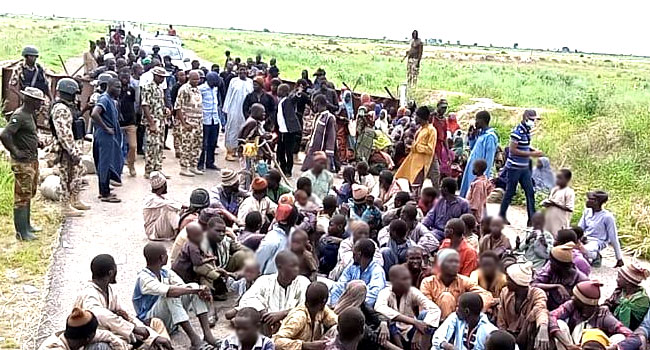
LEADERSHIP reports that about 300,000 repentant Boko Haram terrorists have surrendered at different locations in the ongoing counter-insurgency operations in Borno and some parts of the Northeast, according to the Nigerian military and Borno State government.
Among the surrendered repentant terrorists are the fighters, while the majority of others are persons forcefully conscripted into the terrorists’ ideologies in their camps in Sambisa Forest and other enclaves.
Giving an overview of the reintegration of repentant insurgents, Professor Alkali viewed that community-based reintegration programmes are proving effective in restoring the social fabric and rebuilding trust, saying that by involving local dialogue and traditional justice systems, these initiatives promote understanding, forgiveness, and reconciliation.
“As communities come together to support ex-combatants, they’re also healing and rebuilding relationships, creating a stronger, more resilient society,” he said.
He, however, noted that former insurgents often face profound social stigma, fear of rejection, and discrimination from community members, stressing that this “negative label” can be a significant barrier, with communities expressing fear and scepticism about their ability to reform genuinely.
He said there is often deep-seated mistrust, especially among victims and their families, towards those who were part of groups responsible for violence, adding that this resentment is exacerbated by the perception that repentant insurgents receive favourable government incentives, while victims’ needs (reparation, rebuilding) are neglected, thereby creating a sense of injustice and hindering acceptance.
Alkali, therefore, stated that successful reintegration is a crucial step in the transition from war to peace, helping to break the cycles of violence and reduce the risk of future conflict.
We’ve got the edge. Get real-time reports, breaking scoops, and exclusive angles delivered straight to your phone. Don’t settle for stale news. Join LEADERSHIP NEWS on WhatsApp for 24/7 updates →
Join Our WhatsApp Channel