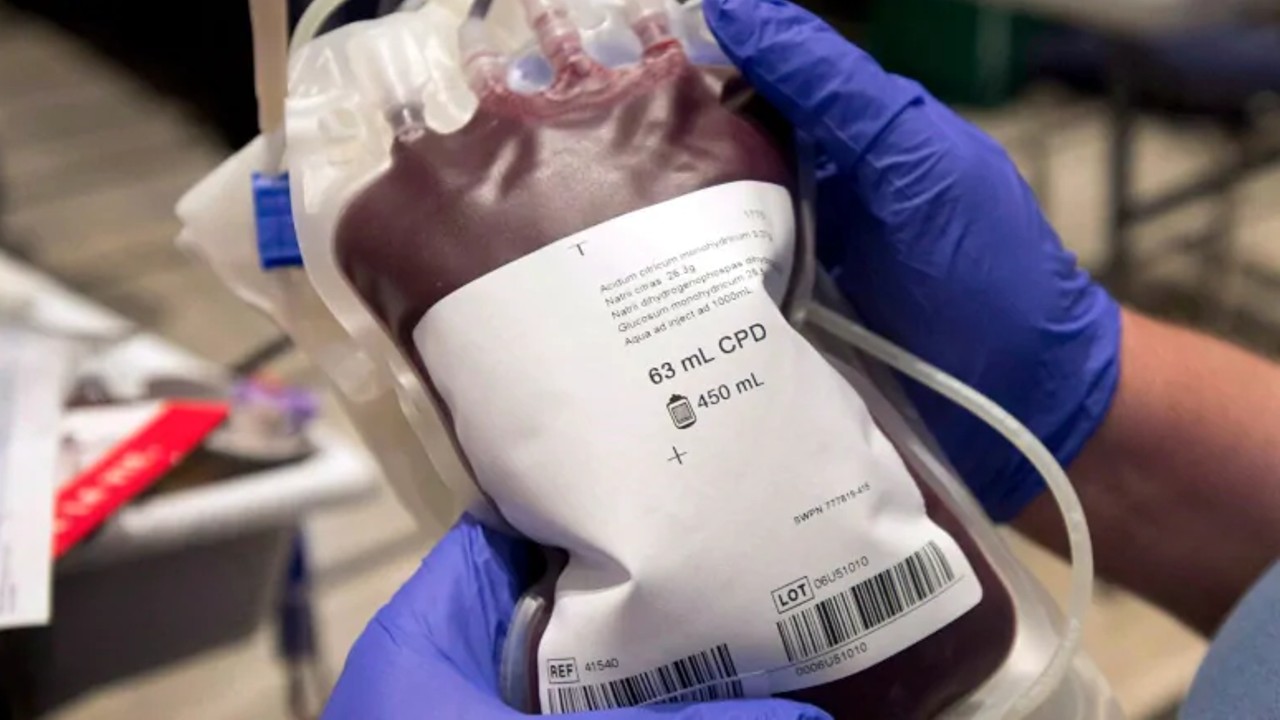
The National Blood Service Agency (NBSA) has stated that Nigeria is facing a severe blood shortage, collecting only about 500,000 units annually, despite needing between 1.8 million and 2 million units to meet national medical demands.
The agency warned that the resulting 70–75 per cent deficit is putting countless lives at risk.
The director general of the NBSA, Prof. Saleh Yuguda, stated this yesterday during the 2025 National Blood Donor Day programme themed “From Headlines to Lifelines: Media Advocacy for Voluntary Blood Donation,” in Abuja.
He noted that the shortfall forces many hospitals to depend on emergency “replacement donors” or paid donors, a practice that endangers patients and weakens the safety of Nigeria’s blood supply.
“Every uncollected unit translates into risk of delayed surgeries, untreated complications, preventable deaths and heartbreak for families,” he said.
The DG explained that the shortage affects critical areas, including emergency trauma care, postpartum haemorrhage, surgeries, cancer treatment, and management of chronic conditions such as sickle cell disease and severe anaemia.
Nigeria loses thousands of women annually to bleeding after childbirth, one of the biggest contributors to maternal mortality and an inadequate blood supply.
Speaking on the event’s theme and slogan “Your Story Could Save a Life,” the DG emphasised that the media remains one of the strongest tools for reshaping public perception about blood donation.
He highlighted three roles the media must play, including public education to dismantle myths, humanising the need through personal stories, and mobilising communities while holding the health system accountable.
The DG also appealed to health-sector partners to provide accurate information and work closely with journalists, while encouraging volunteers to continue sharing their personal stories to inspire new donors.
“To potential donors here today: your willingness to share a part of yourself for a stranger is a profound act of solidarity. If you have never donated, consider taking the step, your story could save a life,” he said.
He reaffirmed that voluntary, unpaid donation is the foundation of a safe and dependable blood system, reducing reliance on unsafe practices and ensuring preparedness during emergencies.
The Director, Hospital Services at the Federal Ministry of Health and Social Welfare, Dr. Salaudeen Jimoh, called for deeper collaboration between the media and the health sector to address the country’s persistent blood shortage crisis.
Represented by the Director of Dentistry at the ministry, Dr. Gloria Uzoigwe, he said the media holds “incredible power to amplify truths, dismantle myths, transform behaviours and save lives,” stressing that no public health intervention can succeed without strong public awareness and social mobilization.
“Nigeria faces a consistent shortage of donated blood, and this gap continues to put mothers, accident victims, and patients with chronic illnesses at risk. The solution lies with citizens, people willing to donate consistently, safely and generously. But citizens act based on what they know, believe and trust. This is where the media remains essential.”
He urged media houses to embed blood donation messages across radio, television, online platforms and community communication channels, while also engaging youth groups, faith-based institutions, gender advocates, market associations and grassroots networks.
Also speaking at the event, the Chairman of the Nigeria Union of Journalists (NUJ), FCT Chapter, Comrade Grace Ikeh, commended the NBSA for the initiative and urged journalists to use their platforms to drive lifesaving awareness.
“Many hospitals struggle daily to get enough blood. Many families face severe pressure during emergencies because blood is unavailable. If more Nigerians donate voluntarily and regularly, countless lives will be saved. When we amplify positive messages on blood donation, we are not just doing our job, we are helping build a safer and stronger health system,” she said.
We’ve got the edge. Get real-time reports, breaking scoops, and exclusive angles delivered straight to your phone. Don’t settle for stale news. Join LEADERSHIP NEWS on WhatsApp for 24/7 updates →
Join Our WhatsApp Channel