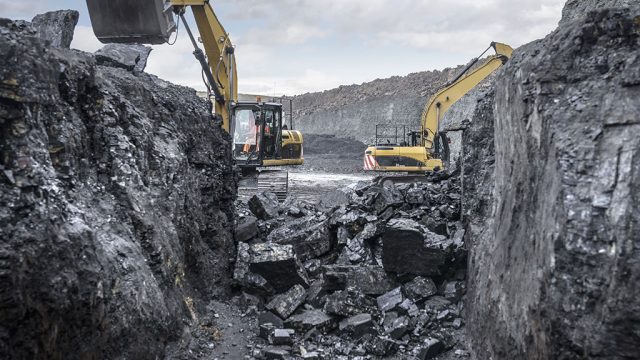
A study has revealed that mining activities are not the sole cause of violence in Nigeria’s North Central and North West regions, stressing that insecurity linked to the sector is often driven by a combination of governance, regulatory and social factors.
The findings were presented in Abuja at a dissemination and policy dialogue workshop convened by the Strengthening Peace and Resilience in Nigeria (SPRiNG) Programme.
The research, titled “The Nexus between Mining and Violence in North-Central and North-West Nigeria,” was conducted by Levin Sources, the Centre for Conflict Management and Peace Studies of the University of Jos, and the Centre for Peace and Development Studies of the Rev. Fr. Moses Orshio Adasu University, Makurdi. It drew evidence from Benue, Plateau and Kaduna states.
According to the study, while illegal mining can intersect with insecurity, banditry and criminal financing, mining-related violence is often shaped by weak regulations, poor governance, land disputes, the exclusion of local communities and the presence of armed actors, rather than mining activity alone.
The researchers warned that blanket bans on mining could undermine legitimate livelihoods and investment without addressing the root causes of violence in affected communities.
The workshop took place amid heightened national attention on mining-related insecurity. In December 2025, the Northern Governors Forum proposed a six-month suspension of mining activities to audit licences and curb terrorism financing allegedly linked to illegal mining.
The proposal has generated debate, with the Miners Association of Nigeria opposing a blanket ban and calling for stricter regulation and enforcement against illegal operators.
At the same time, the Federal Government recently lifted the 2021 mining ban in Zamfara State to revive the local economy and approved a nationwide ban on mineral processing plants in residential areas to address environmental and public health concerns, signalling a shift towards targeted regulation.
Participants at the workshop, including policymakers, security actors, development partners and civil society representatives, discussed how the study’s findings could inform more balanced responses that address security concerns without harming economic opportunities.
Key issues raised included the division of federal and state powers over mineral resources, the economic costs of broad mining suspensions, the need for improved oversight of artisanal and small-scale mining, and the importance of conflict-sensitive regulation of the sector.
Speaking on behalf of SPRiNG, the Team Leader, Dr. Ukoha Ukiwo, said the research was relevant to current policy debates.
He stated that the study provides evidence to support a move away from blanket bans towards targeted, conflict-sensitive regulation that addresses illegal activity, protects communities and supports legitimate livelihoods.
The workshop ended with a panel discussion and an interactive question-and-answer session on practical policy entry points, institutional coordination and ways to translate the findings into action at federal, state and community levels.
SPRiNG is a four-year programme running from 2024 to 2028, funded by the UK Foreign, Commonwealth and Development Office and implemented by Tetra Tech International Development in partnership with Nextier SPD, the Centre for Democracy and Development and the Centre for Humanitarian Dialogue.
The programme aims to enhance institutional capacity for conflict management and response, boost public confidence in key institutions and create greater incentives for peace in Nigeria.
We’ve got the edge. Get real-time reports, breaking scoops, and exclusive angles delivered straight to your phone. Don’t settle for stale news. Join LEADERSHIP NEWS on WhatsApp for 24/7 updates →
Join Our WhatsApp Channel