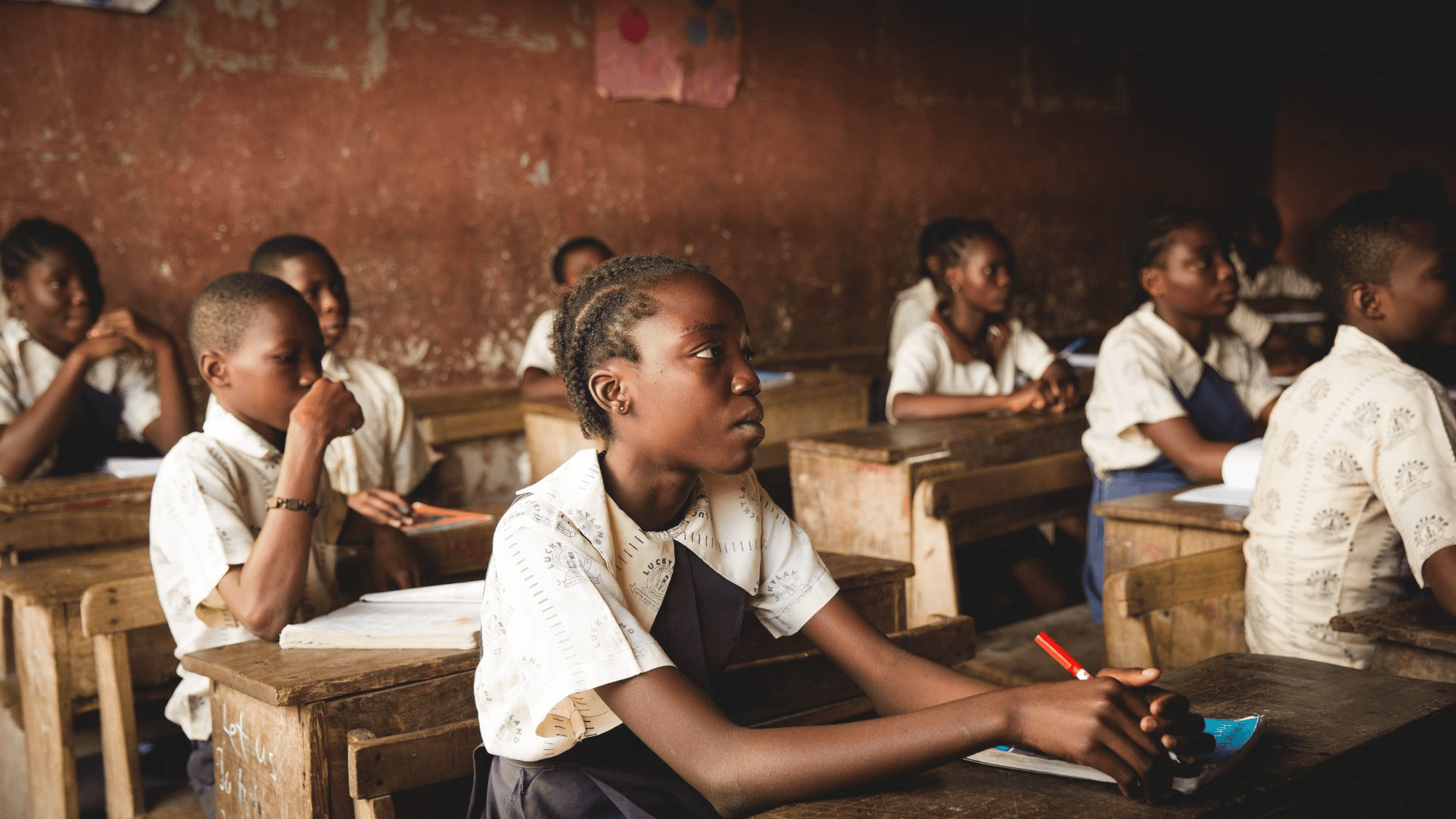
As 2025 comes to a close, Nigeria’s education sector continues to struggle with insecurity, rising student dropouts, poor infrastructure, and weak policies affecting millions of learners.
While policymakers and stakeholders have embarked on ambitious reform efforts from curriculum overhauls to digital learning initiatives the reality on the ground reveals a complex interplay between reform aspirations and entrenched socio-economic barriers.
In communities across the country, students face disrupted learning due to banditry and kidnappings, educators grapple with inadequate resources, and families confront rising costs of schooling, all of which exacerbate inequalities and stifle progress.
Against this, the quest to transform Nigeria’s educational sector shows both the urgency of innovative interventions and the depth of the challenges that lie ahead.
In 2025, the education sector showed a dual reality of progress and persistent challenges. Chronic underfunding remained a critical barrier, with the national budget allocation to education stagnating at just 6-7 percent, far below the UNESCO-recommended 20 percent.
This limitation has constrained the expansion of infrastructure, the provision of teaching and learning materials, and the recruitment and welfare of qualified teachers.
One of the most alarming trends in 2025 was the high dropout rate across all educational levels. Official figures revealed that out of approximately 30 million children enrolling in primary school, only around 6 million progressed to senior secondary school.
Poverty, early marriage, especially in northern Nigeria and security threats such as kidnappings and communal clashes were among the primary drivers of this attrition.
Insecurity in states like Borno, Niger, and Kebbi disrupted schooling and discouraged parental investment, while outdated curricula, overcrowded classrooms, and disengaging teaching methods further contributed to student disinterest.
Security concerns were particularly severe. Schools in Borno, Niger, and Zamfara faced attacks from armed groups, leading to abductions, destruction of property, and temporary closures.
High-profile kidnappings of schoolchildren created widespread fear, prompting some parents to withdraw their children from school entirely.
These incidents not only disrupted learning in the short term but also had long-term effects, contributing to increased dropout rates and stunting educational development in affected regions.
Also, teacher shortages remained another major obstacle. Across the country, there were gaps in both quantity and quality of educators, with rural and conflict-affected areas the worst affected.
According to the Universal Basic Education Commission (UBEC), Nigeria required 694,078 teachers for public primary schools but had only 499,202, leaving nearly 28 percent of posts unfilled.
Additionally, 33 percent of basic school teachers lacked proper qualifications, undermining instructional quality. Many teachers lacked digital literacy skills or access to professional development, while low remuneration and temporary contracts further eroded motivation.
Tertiary institutions, including universities and polytechnics, also faced challenges such as inadequate lecture halls, hostels, and research facilities, limiting the delivery of quality education.
Despite these persistent challenges, 2025 also witnessed notable achievements. A landmark development was the historic allocation of N1.6 trillion to TETFund, the highest in its history. This funding supported infrastructure development, research commercialisation, and faculty development across universities, polytechnics, and colleges of education nationwide.
Also, the digital transformation of education marked another major success. Urban schools increasingly adopted e-learning platforms, digital classrooms, and e-result portals, enhancing transparency, efficiency, and parental engagement.
Pilot programmes in virtual teaching and assessments showed promise in maintaining learning continuity, particularly in technologically accessible regions.
At the tertiary level, universities introduced continuous professional development initiatives for lecturers, fostering research innovation and global competitiveness.
Research and innovation received renewed emphasis, notably through TETFund’s R4i programme, which encourages research commercialisation and prototype development. Partnerships with innovation hubs such as Innov8 Hub and the Science Grants for Catalytic Initiatives (SGCI) enabled universities to translate academic research into practical solutions, start-ups, patents, and prototype technologies, bridging the gap between academia and industry, a crucial step for Nigeria’s broader economic and technological advancement.
Vocational and technical education also received targeted attention. Technical colleges and vocational centres were provided with updated curricula, modern equipment, and teacher training.
We’ve got the edge. Get real-time reports, breaking scoops, and exclusive angles delivered straight to your phone. Don’t settle for stale news. Join LEADERSHIP NEWS on WhatsApp for 24/7 updates →
Join Our WhatsApp Channel