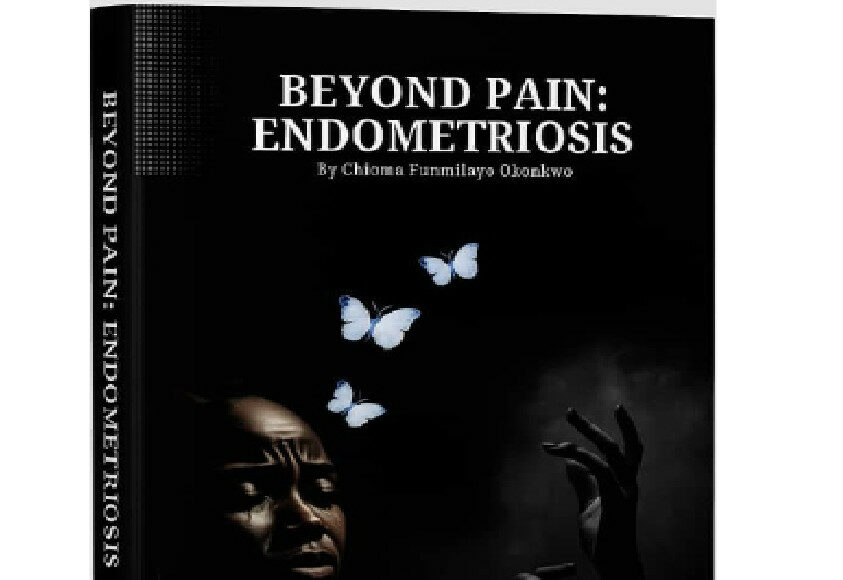
In Beyond Pain: Endometriosis by Chioma Funmilayo Okonkwo is a quiet but forceful act of resistance against medical neglect, cultural conditioning, and the normalization of women’s suffering. At the heart of the book is a powerful shift in perspective. Okonkwo explains that the moment she accepted her experience not merely as pain but as purpose, the story demanded to be told. That framing defines the book’s emotional spine. Beyond Pain is not written from a place of self-pity, but from resilience, what she describes as “enduring hope in the midst of storms.” The result is a narrative that is deeply personal yet deliberately outward-looking, concerned as much with collective awakening as with individual healing.
One of the book’s most disturbing and important contributions is its documentation of serial misdiagnosis. Over several years, Okonkwo was treated for pelvic inflammatory disease, hernias, and even tuberculosis, conditions that not only failed to explain her pain but exposed her to unnecessary medications and trauma. These errors, she notes, became a turning point: silence was no longer an option. The book frames misdiagnosis not as isolated incompetence, but as a systemic failure that thrives when women’s pain is minimized or misunderstood.
Cultural conditioning plays an equally destructive role. Okonkwo interrogates the deeply ingrained belief that painful menstruation is “normal” and therefore unworthy of medical attention. In many African societies, women are taught to endure pain quietly, to fear stigma, and to equate seeking help with weakness. This mindset, she argues, trains women to normalize suffering until it becomes unbearable and sometimes irreversible. In Beyond Pain, culture is not portrayed as inherently cruel, but as dangerously complicit when unquestioned.
Perhaps the most unsettling chapter of the book is its honest confrontation with painkiller dependence. As her pain worsened and answers remained elusive, Okonkwo turned increasingly to self-medication, unaware she was slipping into addiction. The near-paralysis she experienced after incorrect use of medication becomes a stark warning about what happens when chronic pain is left unmanaged. By including this chapter, the author widens the conversation: untreated pain does not just hurt, it endangers lives.
Beyond Pain explores how endometriosis quietly dismantles identity. Chronic pain disrupted Okonkwo’s daily functioning, altered her relationship with food and clothing due to bloating, and imposed ongoing financial strain from constant medical care. Normal life became a moving target. As an advocacy text, the book is clear-eyed and specific. Okonkwo calls for improved access to diagnostic tools like laparoscopy, increased training for specialists, and the inclusion of endometriosis care within health insurance and subsidy frameworks.
Reader responses, as she notes, have ranged from shock to disbelief, a testament to how deeply misunderstood endometriosis remains. Chioma Funmilayo Okonkwo’s book does not promise a cure but it offers something equally vital: visibility. And in making the invisible visible, it opens the door to earlier detection, better care, and lives less defined by suffering.
We’ve got the edge. Get real-time reports, breaking scoops, and exclusive angles delivered straight to your phone. Don’t settle for stale news. Join LEADERSHIP NEWS on WhatsApp for 24/7 updates →
Join Our WhatsApp Channel