Because it offers a climate that reshaped its history and lifestyle.
Jos sits on the Plateau at an altitude of about 1,200 metres above sea level, giving it some of the coolest temperatures in Nigeria. This climate influenced its early development during the colonial era, when it became a preferred settlement and administrative centre. Today, the cool air still defines daily life—early mornings, outdoor leisure, and a pace that feels noticeably calmer than in most Nigerian cities.
Because its physical landscape is unlike anywhere else in the country.
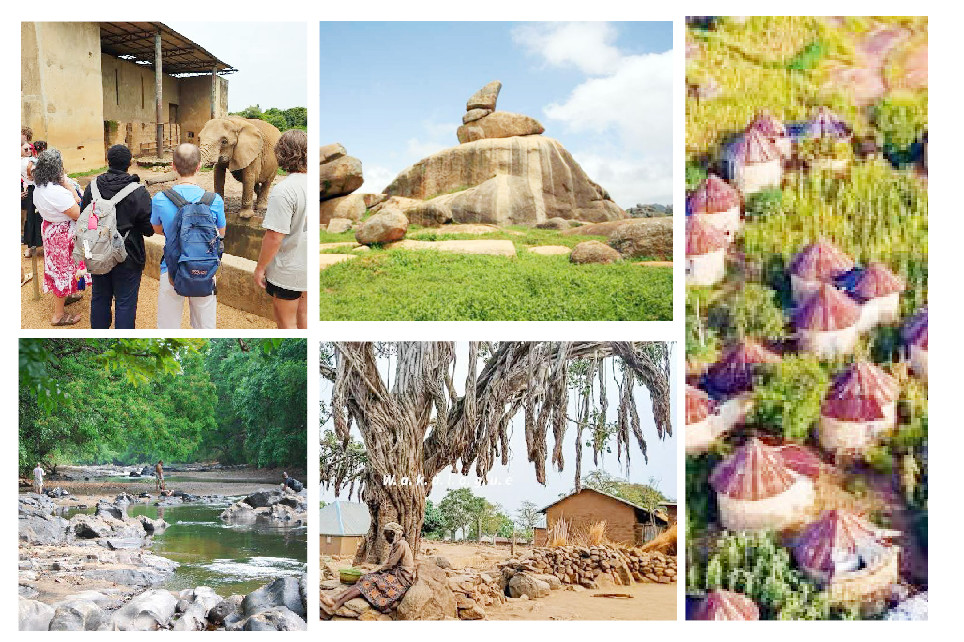
The city is framed by dramatic granite outcrops, rolling hills, and expansive valleys formed by ancient volcanic activity. Shere Hills, one of the highest points in Nigeria, is popular with hikers and climbers, while Assop Falls and Kurra Falls provide natural recreational spaces and seasonal tourist activity. These landscapes are not remote—they sit close to the city, making nature an everyday experience rather than a distant attraction.
Because Jos occupies an important place in Nigeria’s economic and archaeological story.
Jos grew rapidly in the early 20th century due to tin mining, attracting workers, traders, and migrants from different parts of Nigeria and beyond. This history is preserved at the National Museum, Jos, which documents the mining era and houses artefacts linked to the Nok civilisation—among the earliest known sculptural traditions in sub-Saharan Africa.
Because it integrates wildlife and leisure within an urban setting.
The Jos Wildlife Park remains one of Nigeria’s most established zoological parks. Located within the city, it combines wildlife conservation with open green spaces and elevated viewpoints overlooking the Plateau. Its accessibility has made it a long-standing recreational hub for residents, tourists, and school excursions.
Because its diversity shaped a culture of coexistence.
Jos developed as a multi-ethnic city, influenced by indigenous Plateau communities and settlers drawn by mining, trade, and education. This diversity is reflected in its food culture, markets, and social life. While the city has experienced periods of tension, it continues to be recognised for its hospitality, resilience, and strong community identity.
Because it offers quiet value beyond mainstream tourism.
Jos does not rely on spectacle. Instead, it appeals to travellers seeking space, reflection, and authenticity. Writers, researchers, artists, and leisure travellers are drawn to its calm environment, affordable living, and closeness to nature—qualities increasingly rare in urban Nigeria.
We’ve got the edge. Get real-time reports, breaking scoops, and exclusive angles delivered straight to your phone. Don’t settle for stale news. Join LEADERSHIP NEWS on WhatsApp for 24/7 updates →
Join Our WhatsApp Channel