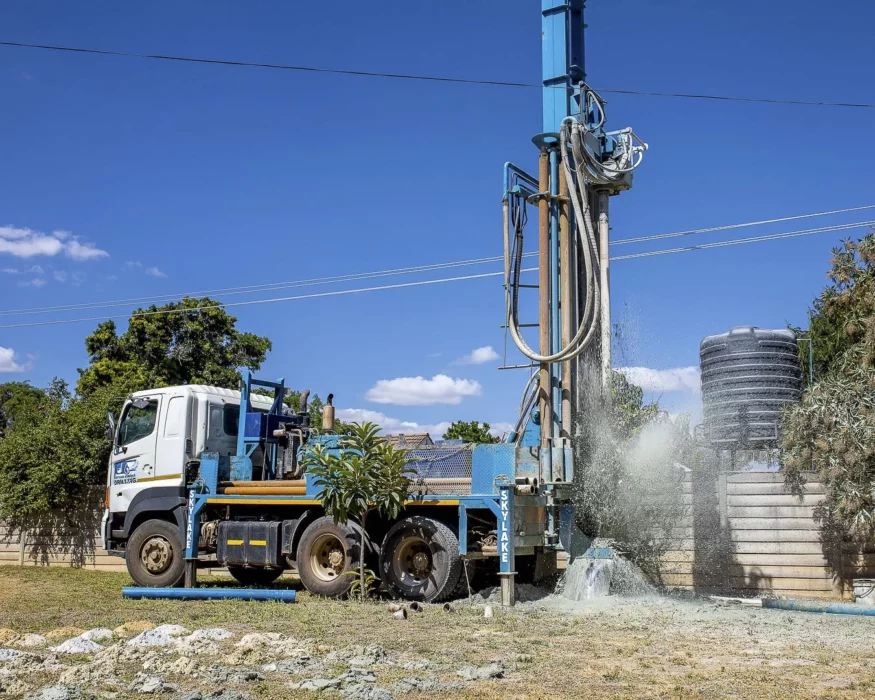
Unless urgent measures are in place to check indiscriminate boreholes drilling, urban centres in Akwa Ibom State risk caving in with attendant humanitarian crisis, a regional planning and analysis expert, Prof. Jacob Atser, has warned.
He noted that unregulated practice of excessive earth excavation during drilling of boreholes constituted a harmful and present danger to the environment.
Prof Atser, who stated this while presenting the 125th in the series of Inaugural Lectures of the University of Uyo (UNIUYO), blamed governments at the state and local government levels for lack of proper and well coordinated water and sanitation policy and called for a centralised water supply system in urban centres.
Prof. Atser, who spoke on the topic; “Social Planning in Regional Context: Paradoxical Realities in Nigeria”, explained that “drilling for groundwater in urban centres causes the ground to sink, leading to damage of public infrastructure like buildings, roads, and pipelines among others.”
“Over-abstraction of groundwater through excessive borehole drilling in urban areas will undermine the sustainability of this vital water source.
“Urban water demand should be achieved through centralised supply involving direct reticulation to households’ premises.
“While drilling for groundwater continues to rise to meet water demands, environmental consequences in urban areas, such as sinking ground can damage infrastructure, including buildings, roads, and pipelines,” he stated.
Noting that the development of physical infrastructure was a key strategy for regional development, Atser stated that the investments attract businesses and promote economic growth and development.
He also made a case for the investment in education and skill acquisition/training, as well as harnessing the available assets in urban centres to promote what he called place-based development which aims to capitalise on local strengths and opportunities.
Atser, also advocated for enhanced pay packages, attractive allowances, free accommodations in rural areas as incentives to make working in rural areas attractive.
“Investing in education, skill acquisition/training and healthcare is crucial for development. By improving the knowledge and skills of local workforce, centres can attract higher paying jobs and foster innovation.
“Providing access to healthcare services ensures a healthy and productive population which contributes to overall regional growth and development,” he stated.
Atser emphasised focusing on the distinctiveness of an area, saying it would enhance competitiveness and foster a sense of identity and pride among the local population.
“This involves leveraging cultural heritage, natural resources, tourism potentials or specific industries that are already present in the area” he stressed, and cautioned that local government financial autonomy should not be compromised.
We’ve got the edge. Get real-time reports, breaking scoops, and exclusive angles delivered straight to your phone. Don’t settle for stale news. Join LEADERSHIP NEWS on WhatsApp for 24/7 updates →
Join Our WhatsApp Channel