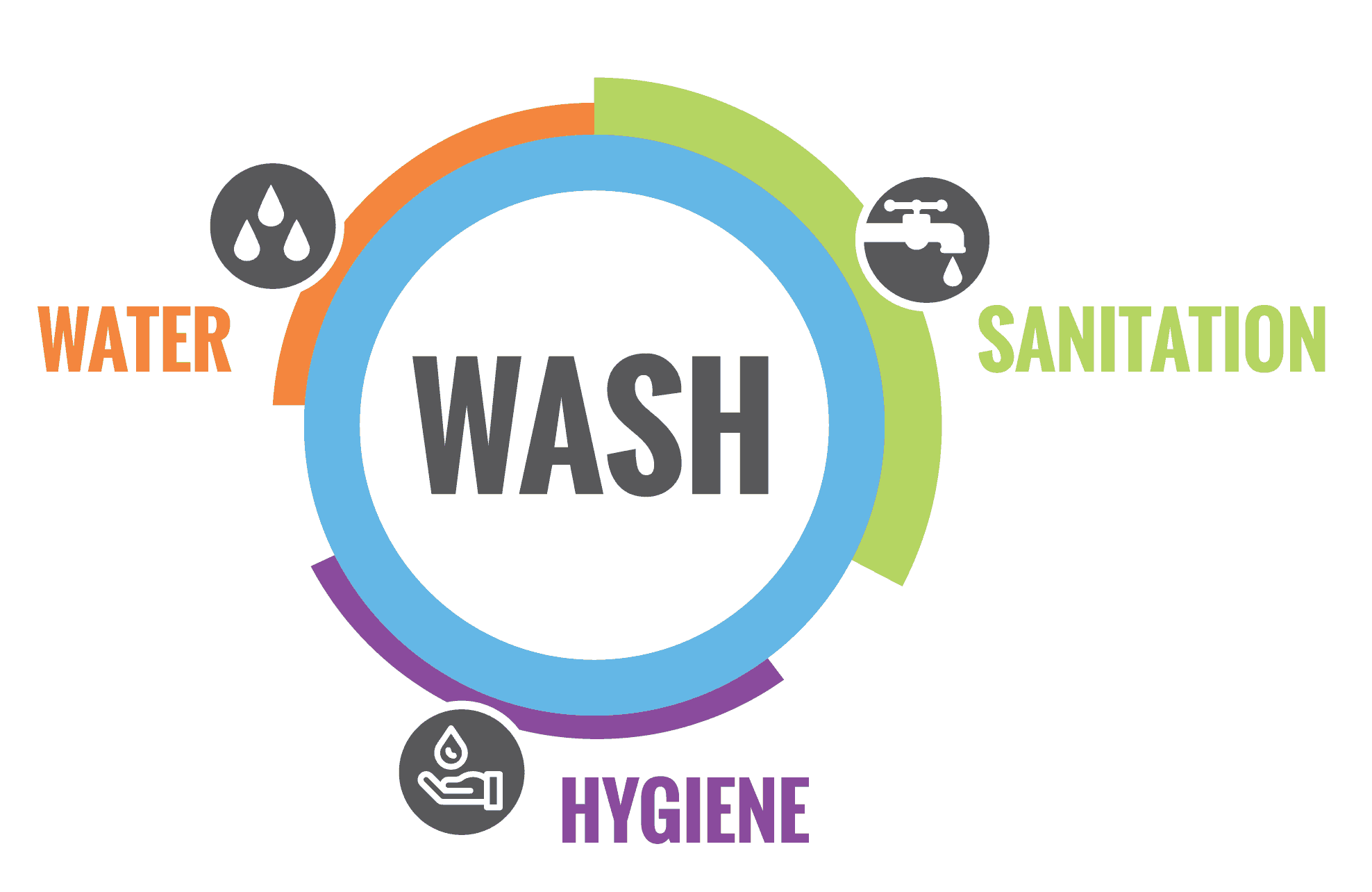
Jigawa State government has reiterated its commitment to achieving 100 per cent availability of Water, Sanitation and Hygiene (WASH) facilities in all basic schools and healthcare facilities across the state within the next two years.
The commitment was made by the executive chairman of the Jigawa State Universal Basic Education Board (SUBEB), Professor Haruna Musa, during a media dialogue with Kano-based journalists held in Jigawa. The dialogue was organised by the United Nations Children’s Fund (UNICEF) in collaboration with the Child Rights Information Bureau (CRIB) of the Federal Ministry of Information.
Professor Musa said the state government had prioritised WASH programmes in its planning and implementation processes, noting that substantial provisions had been captured in the 2026 budget for the renovation and provision of WASH facilities, alongside measures to improve school security.
He explained that access to adequate sanitation remains critical to school enrolment and retention, particularly for girls. “We are aware of where attention is needed. Our plan is strategic and focused on addressing access challenges, as the lack of WASH facilities contributes to girls dropping out of school,” he said.
Providing data on the sector, Musa disclosed that Jigawa has 3,345 basic education schools, comprising 2,727 primary schools and 618 junior secondary schools. He added that the state currently has 8,689 toilets across schools—6,585 in primary schools and 2,104 in junior secondary schools—while acknowledging challenges such as soil conditions and termite infestation affecting toilet structures.
He further noted that education remains a top priority for the state, with the establishment of a Ministry of Basic Education and the formation of school mothers’ associations to monitor learners’ progress and improve learning outcomes.
Earlier, a UNICEF WASH Consultant, Mr Job Obimini, presented an overview of WASH implementation nationwide, noting that Nigeria’s WASH indicators are generally poor. He cited national survey data showing that only 11 per cent of schools have adequate WASH facilities, while hygiene and sanitation coverage in health facilities stands at just six per cent in the North-West region.
In her remarks, UNICEF’s Officer-in-Charge of Communication, Advocacy and Partnerships in Nigeria described the dialogue as a call to action, urging sustained government commitment and stronger media engagement to promote hygiene practices and accountability.
A field visit to selected schools and health facilities in Jigawa State showed improvements in WASH provision, though gaps remain, particularly within the education sector.
We’ve got the edge. Get real-time reports, breaking scoops, and exclusive angles delivered straight to your phone. Don’t settle for stale news. Join LEADERSHIP NEWS on WhatsApp for 24/7 updates →
Join Our WhatsApp Channel