
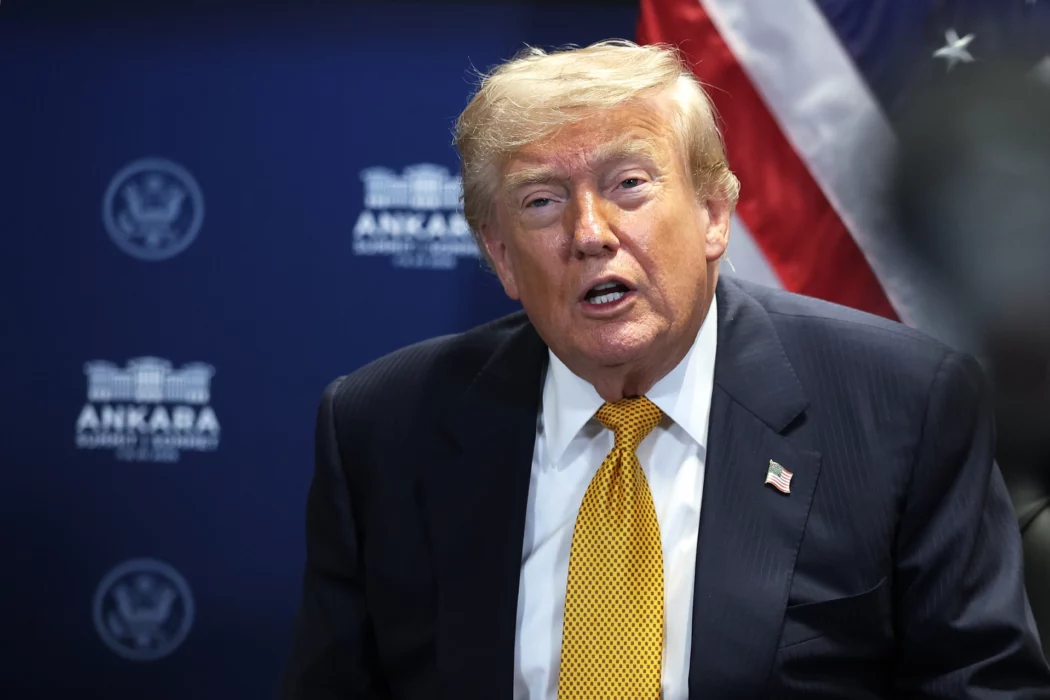
Nigeria is among 60 trading partners affected by a fresh wave of tariffs announced by United States President Donald Trump as his administration intensifies efforts to reshape America’s trade policy.
The new tariffs range from 10 per cent to 12.5 per cent and will apply to goods from countries that collectively account for 99.4 per cent of US imports.
According to the Trump administration, the affected countries failed to adequately address the importation of goods produced with forced labour.
The new measures replace the temporary 10 per cent global tariff introduced in February, which has now expired.
US Trade Representative Jamieson Greer said the tariffs took effect on Thursday at the president’s directive.
“Today’s action will begin to correct what is both a human rights abuse and distortive trade practice to improve the welfare of workers everywhere,” Greer said in a statement.
The tariff will apply to goods imported from Nigeria and other affected countries, with exemptions for certain raw materials that could result in domestic supply shortages, products that could trigger economy-wide disruptions, and items that cannot be grown or produced in sufficient quantities in the United States or sourced elsewhere.
The latest move marks another escalation in the global trade war reignited by Trump since returning to the White House last year.
In April, Trump announced sweeping tariffs on imports into the United States, imposing a 14 per cent levy on Nigerian goods. Later, in August, Nigeria and several other African countries were subjected to a 15 per cent import tariff following an executive order signed by the US president.
The latest tariff announcement has drawn criticism from several affected countries.
Canada, which was hit with fresh tariffs earlier this week, has joined other nations in opposing the new measures. Australia and Brazil described the tariffs as unjustified and said they would seek their removal, while Norway insisted there was “no basis” for the action.
The European Union also rejected Washington’s justification for the tariffs, saying its rationale was flawed, while China described the move as “political manipulation.”
We’ve got the edge. Get real-time reports, breaking scoops, and exclusive angles delivered straight to your phone. Don’t settle for stale news. Join LEADERSHIP NEWS on WhatsApp for 24/7 updates →