It has been 50 years since the historic creation of Benue State from the defunct Benue-Plateau State by the administration of late General Murtala Ramat Mohammed. February 3, 2026 will mark the golden jubilee of this historic entity that has shown remarkable resilience, uncommon grit and a fascinating survival instincts which has made it to weather the storm, brace all odds, overcome tragedies and perspire to buid a people united in resilient pursuit of the best, as they continue to strive to overcome all hurdles and live the dreams of the founding fathers. The dream to make Benue great. A fantastic dream that has in the last 50 years manifested in various ways, ensuring boundless transformation, a quadruple leap that has not only etched Benue as the ‘Food Basket of the Nation’, but also a strong national component in the Nigeria project.
Benue was born amid the turbulent post-civil war crisis under General Murtala’s sweeping 1976 reforms, which responded to ethnic tensions, administrative chaos, and demands for local autonomy. Its peers are
Anambra, Bauchi, Borno, Imo, Niger, Ogun, Ondo, Oyo, Plateau, and Sokoto, the additional states created at the time to raise the number of states in Nigeria from 12 to 19. February 3, therefore, laid the foundation for resilient state-building.
Spanning 34,759 square kilometres across 23 local government areas—Ado, Agatu, Apa, Buruku, Gboko, Guma, Gwer East, Gwer West, Katsina-Ala, Konshisha, Kwande, Logo, Makurdi, Obi, Ogbadibo, Ohimini, Oju, Okpokwu, Otukpo, Tarka, Ukum, Ushongo, and Vandeikya—this Tiv, Idoma, and Igede heartland derives its name from Nigeria’s second-longest river. Makurdi, its capital since colonial trading days and bridged by the iconic 1932 railway span, pulses as a commercial lifeline.Endowed with prodigious resources, Benue’s floodplains yield yam, rice, soya beans, cassava, sorghum, millet, and sesame (“Benue Gold”), feeding the nation. Subsurface riches dazzle: limestone in Gboko, Utonkon, Igumale (powering Dangote Cement); gold, lead/zinc (Kwande); barytes, gypsum, kaolin, clay; coal (Owukpa); iron ore, magnetite, wolframite, salt, marble, gemstones, fluorite; even petroleum and natural gas hints. River Benue promises irrigation, fisheries, hydropower. Yet, this paradise has endured hellish trials: floods ravaging 2012, 2017, 2018, 2022; herder-farmer wars since 2011 claiming thousands; economic torpedoes from subsidy scrapping, naira floats, recessions; crumbling roads, hospitals, schools; banditry, kidnappings.
Through military and civilian epochs, Benue’s 6 million souls have alchemised adversity into ascent—now soaring under Rev. Fr. Dr. Hyacinth Iormem Alia.
Benue’s leadership chronicle unfolds chronologically across five decades, each steward imprinting unique legacies amid Nigeria’s political tempests. The succession precisely aligns with verified records: Colonel Abdullahi Shelleng (March 1976–July 1978) established foundational governance structures like worker housing and schools amid post-creation instability; Group Captain Adebayo Lawal (July 1978–October 1979) ensured civilian transition despite brief tenure and limited projects; Apollos Aper Aku (October 1979–December 1983) revolutionized education with free policy and thousands of classrooms while building roads that solidified “Food Basket” status; Colonel John Kpera (January 1984–August 1985) enforced sanitation reforms amid empty treasuries; Group Captain Jonah David Jang (August 1985–August 1986) advanced health infrastructure; Colonel Yohanna Madaki (August 1986–September 1986) prioritized security during ethnic tensions; Fidelis Makka (December 1987–January 1992) drove rural electrification and water schemes; Moses Adasu (January 1992–November 1993) championed human development and healthcare before coup dissolution; Joshua Onimisi Obademi (December 1993–August 1996) focused grassroots development; Colonel Aminu Isa Kontagora (August 1996–August 1998) completed Arts Theatre, rural electrification, and Makurdi roads; Colonel Dominic Oneya (August 1998–May 1999) enhanced security for democratic handover; George Akume (May 1999–May 2007) unleashed infrastructure tsunamis and social reengineering despite fiscal sieges; Gabriel Suswam (May 2007–May 2015) turbocharged agriculture via subsidies amid herder conflicts; Samuel Ioraer Ortom (May 2015–May 2023) navigated mega-floods and violence through anti-open grazing laws and IDP support—each layer building toward Alia’s renaissance.
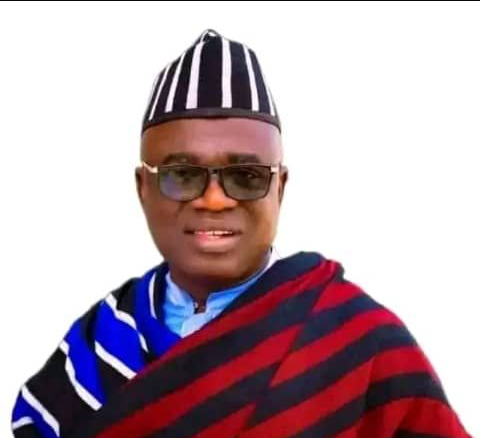
Rev. Fr. Dr. Hyacinth Iormem Alia—Catholic priest from Mbadede, Vandeikya—stormed in May 2023, inheriting N187 billion debts, arrears, strikes, bloodletting. “Asor Tar u Tiv” (Reformer of the Tiv), his pastoral gravitas fuels a seven-point crusade: security, agriculture, commerce/industry, human capital, infrastructure, ICT, governance.
In 32 months, amid headwinds, Alia has engineered unstoppable progress, vaulting Benue skyward. Gov. Alia harnesses collaboration and partnerships for sustainable growth, dubbed the Peoples’ Governor. His pillars mirror Tinubu’s Renewed Hope—security, human capital, infrastructure, agriculture, commerce, ICT, governance.
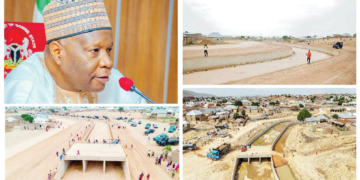
Three years yield Makurdi/Gboko urban renewal, infrastructure surge, digitized civil service for efficiency and transparency. Education refocuses; state firms revive—elevating Benue from rural outpost to city of hope.
Pioneering industrialization, Alia appointed Dr. Raymond Asemakaha, business mogul and Group Managing Director of Benue Investment and Property Company (BIPC). BIPC sparks manufacturing revolution—1,500 direct/indirect jobs created toward 1 million target. Plants proliferate: Zeva beer and Oyi bitters brewery; BenFruit Juice; statewide bakery network; bottled water brand; construction nails factory; polythene products; leather and fertilizer processing. A 1.2-hectare brewery hits 70% completion; Agro-Commodities Hub boosts farming productivity; Pharmaceutical Centre strengthens healthcare. Human-centered, the IDP/Refugee Scheme reserves 15% traineeships at water/bakery factories; Motorcycle Hire-Purchase empowers youths and refugees.Infrastructure dazzles under BIPC: modernized headquarters, upgraded guest houses in Kaduna and North Bank Makurdi, 14 three-bedroom flats at Fountain Estate in Nyorgyungu. Radio Benue partners on 90-unit Eco-City; Chinese firms enable mining/agro hub. Fitch affirms “B” rating with positive outlook. Benue Local Investors Forum (BELIF) connects locals; Investment Trust Fund targets SMEs/youths. $10M from Shelter Afrique funds 500 affordable homes, agro-hub, logistics park, Diaspora Eco-City.
– Bridget Tikyaa , Principal Special Assistant to the Governor on Media,Publicity and Communications Strategy
We’ve got the edge. Get real-time reports, breaking scoops, and exclusive angles delivered straight to your phone. Don’t settle for stale news. Join LEADERSHIP NEWS on WhatsApp for 24/7 updates →
Join Our WhatsApp Channel