• Hausa Edition
  • Podcast
  • Conferences
  • LeVogue Magazine
  • Business News
  • Print Advert Rates
  • Online Advert Rates
  • Contact Us
Sunday, June 14, 2026
Leadership Newspapers
No Result
View All Result
  • Home
  • News
  • Politics
  • Business
  • Sport
    • Football
  • Health
  • Entertainment
  • Education
  • Opinion
    • Editorial
    • Columns
  • Others
    • LeVogue Magazine
    • Conferences
    • National Economy
  • Contact Us
Hausa Edition
  • Home
  • News
  • Politics
  • Business
  • Sport
    • Football
  • Health
  • Entertainment
  • Education
  • Opinion
    • Editorial
    • Columns
  • Others
    • LeVogue Magazine
    • Conferences
    • National Economy
  • Contact Us
No Result
View All Result
Leadership Newspapers
No Result
View All Result

THINGS REMEMBERED: Obioma: The Itinerant Tailor, Who Disappeared From Nigerian Streets

Richard Abu by Richard Abu
4 months ago
in Feature
Obioma tailor
Share on WhatsAppShare on FacebookShare on XTelegram

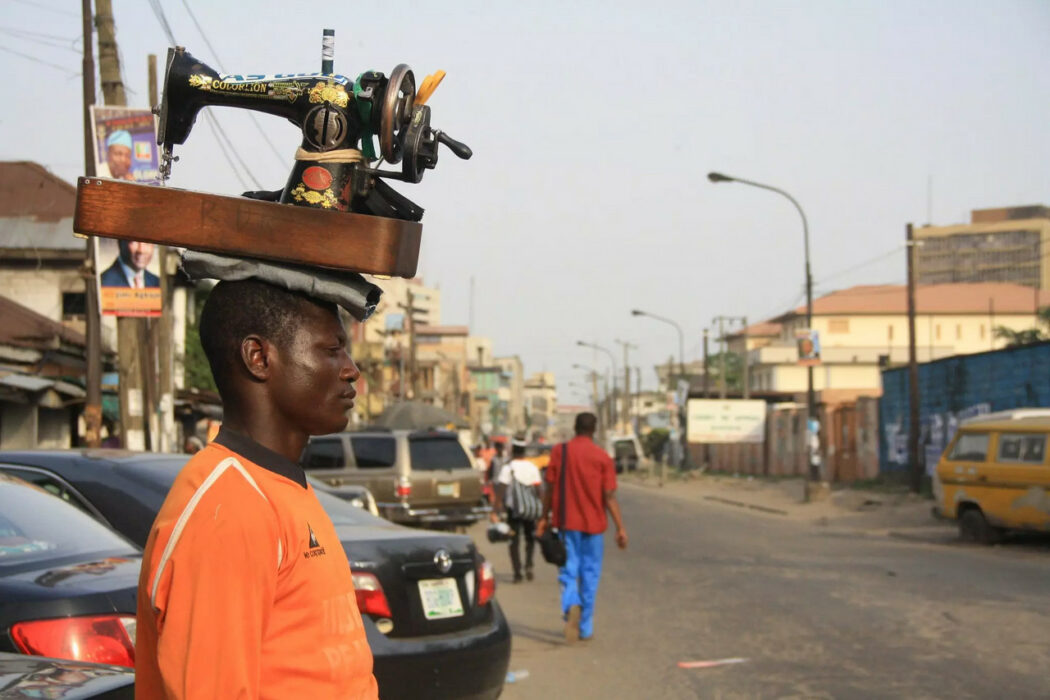
Gone are the days when the click-click sound from a pair of scissors announced the arrival of an “Obioma”, the roving tailor with a portable sewing machine on one of his shoulders in your neighbourhood.

That time, many Nigerians in rural and urban centres anxiously waited for them to mend their worn-out or torn dresses. Their services were good and affordable.

These street tailors, who were nicknamed “Obioma” — meaning “good-hearted” in Igbo — were also common in community markets, where they offered instant mending and stitching services to Nigerians, especially the poor.

But over the years, the Obiomas have disappeared. Yet their services are still needed daily.

The established tailors, because of their low charges for old dresses, are no longer willing to mend them. They adopt big names such as “Fashion Designers” to scare away the poor, who have clothes to mend or stitch.

In some shops, there are bold signposts or inscriptions of “We sew and don’t mend clothes here”.

According to BusinessDay Nigeria, the tradition of mobile tailoring in Nigeria has deep roots. In the aftermath of the Nigerian Civil War, many Igbo artisans took to the streets with portable sewing machines to eke out a living — a practice that came to be known as Obioma tailoring. Welcomed into homes and courtyards in earlier decades, these tailors were valued for their convenience and craftsmanship.

“Customers would beckon them through gates and into parlours, and a mutual trust developed between tailor and patron. The name ‘Obioma’ reflected more than skill; it conveyed patience and goodwill — traits that helped these artisans earn repeat business in neighbourhoods in various parts of Nigeria.

“Today, however, the sight of a tailor balancing a pedal or manual sewing machine on his shoulders and walking from street to street is becoming rare. Several factors have diminished the presence of traditional Obioma.

In its report, BusinessDay attributed the trend to security concerns: Rising insecurity in urban communities has curtailed the freedom to move about and enter private spaces, restricting tailors to sidewalks and gate entrances.

“Economic pressures: Wage stagnation and inflation have driven many mobile tailors to seek more stable income streams, often opting to rent permanent workshop space if they can afford it.

RELATED NEWS

From Pen Strokes To Profit: How Calligraphy Business Is Thriving In 2026

It’s Painful My Father Isn’t Alive To Celebrate With Me – FUTO First-Class Graduate

Solar Boom Creates Fresh Business Opportunities For Aspiring Agents


“Market competition: A new wave of itinerant tailors, often from Northern Nigeria, has altered the competitive landscape. Some offer lower prices that undercut traditional practitioners, while others lack the language skills and customer relations that once defined the Obioma’s appeal,” the report noted.

We’ve got the edge. Get real-time reports, breaking scoops, and exclusive angles delivered straight to your phone. Don’t settle for stale news. Join LEADERSHIP NEWS on WhatsApp for 24/7 updates →

Join Our WhatsApp Channel

Nigerians can invest ₦2.5million on premium domains and earn about ₦17-25Million. Earnings in USD. Rather than wonder, click here to find out how it works
Richard Abu

Richard Abu

Richard Abu is Deputy Editor of Leadership Newspaper, a senior journalist with extensive experience in editorial leadership across multiple titles at Leadership and other major Nigerian newspapers.

OTHER NEWS UPDATES

From Pen Strokes To Profit: How Calligraphy Business Is Thriving  In 2026
Feature

From Pen Strokes To Profit: How Calligraphy Business Is Thriving In 2026

18 hours ago
It’s Painful My Father Isn’t Alive To Celebrate With Me – FUTO First-Class Graduate
Feature

It’s Painful My Father Isn’t Alive To Celebrate With Me – FUTO First-Class Graduate

18 hours ago
Solar Boom Creates Fresh Business Opportunities For Aspiring Agents
Feature

Solar Boom Creates Fresh Business Opportunities For Aspiring Agents

20 hours ago
Next Post
The Burden Of Drug, Substance Abuse In Nigeria

HOW I OVERCAME: ‘Hunger Shaped My Escape From Drug Addiction’

Advertisement

LATEST UPDATE

Abdulsalami’s Sincerity Brought Me Back To Politics, Says Tinubu

3 minutes ago

Govt Won’t Release Terror Suspects Despite Gen. Abubakar’s Death —Tinubu

6 minutes ago

Inside The June 12 Dilemma: Why Making Abiola President Was Difficult – Gen Abdulsalami

9 minutes ago

Jonathan Hails Abdulsalami For Returning Nigeria To Democracy

10 hours ago

Obasanjo Jokes He, Gowon May Miss Abdulsalami’s 100th Birthday

11 hours ago
Load More
Advertisement
Facebook Twitter Instagram Youtube Whatsapp

© 2026 LEADERSHIP Media Group - All Rights Reserved | Hausa | Online Casino.

No Result
View All Result
  • Home
  • News
  • Politics
  • Business
  • Sport
    • Football
  • Health
  • Entertainment
  • Education
  • Opinion
    • Editorial
    • Columns
  • Others
    • LeVogue Magazine
    • Conferences
    • National Economy
  • Contact Us

© 2026 LEADERSHIP Media Group - All Rights Reserved | Hausa | Online Casino.