For several years, Adeyemi was a victim of drug addiction. His situation degenerated so badly that, under the bridges in Ijora and Orile-Iganmu, were his dwelling places.
He begged at traffic lights and was considered a hopeless drug addict by even members of his immediate family.
Adeyemi was born in Ibadan, the first son of a schoolteacher and a trader. His childhood was ordinary and hopeful. He attended school and played football with his peers in the dusty streets of Ibadan.
He had a dream: to become a medical doctor. But the dream collapsed when he fled home to join the “bad boys” in Lagos.
Against the promise of city life in Lagos by his friend, he lured him from Ibadan. Adeyemi ended up doing menial jobs, faced hunger until despair crept in.
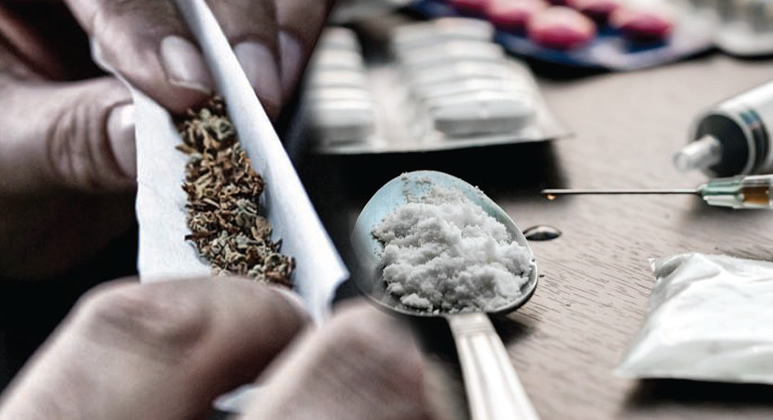
Friends introduced him to codeine syrup “to keep strong”, then tramadol, marijuana, and harder drugs. What began as an escape turned into dependency. Within three years, Adeyemi had lost his sense of self.
When his worried mother came looking for him once, she returned to Ibadan dejected and wept that she had lost a once promising son.
From then on, Adeyemi became a street urchin —sleeping under flyovers and stealing to survive.
Narrating those ugly days in his life, Adeyemi said, “Sometimes I collapsed from overdose. People stepped around my body, thinking that I was dead. Hours later, I will wake up.
“It was on occasions like that I knew I was dying. Yet, I could not stop taking substances,” he said.
However, help came to him through a street outreach team from a faith-based rehabilitation centre, which met him during one of their programmes.
Adeyemi said, “I rejected their invitation, but they did not give up on me. One day, hunger and exhaustion overwhelmed me. But the words being spoken to me sparked hope in me. I agreed to follow them.
“The rehabilitation was very painful. I was restricted and separated from so many things. At one point, I wanted to leave the centre, but the counsellors and recovered addicts were unyielding. They told me their stories; their words were a healing balm, physically and mentally. I took vocational training and started life over. And without access to drugs anymore, I lost the taste for them.
“The faith-based organisation helped me to learn furniture making and, upon completion, gave me seed money to start a shop on my own. After a while, I opted to leave Lagos for Abuja to avoid stigmatisation and influence from my former colleagues, whom I occasionally ran into.”
“Today, I am self-employed, back to school, which I earlier abandoned and also work as a rehabilitation support assistant in my new location,” he said.
According to Adeyemi, “addiction is not a crime. It is an illness that grows where poverty, pain, and neglect meet.”
To the youths, he advises: “Keep off drugs and wrong company.”
We’ve got the edge. Get real-time reports, breaking scoops, and exclusive angles delivered straight to your phone. Don’t settle for stale news. Join LEADERSHIP NEWS on WhatsApp for 24/7 updates →
Join Our WhatsApp Channel