
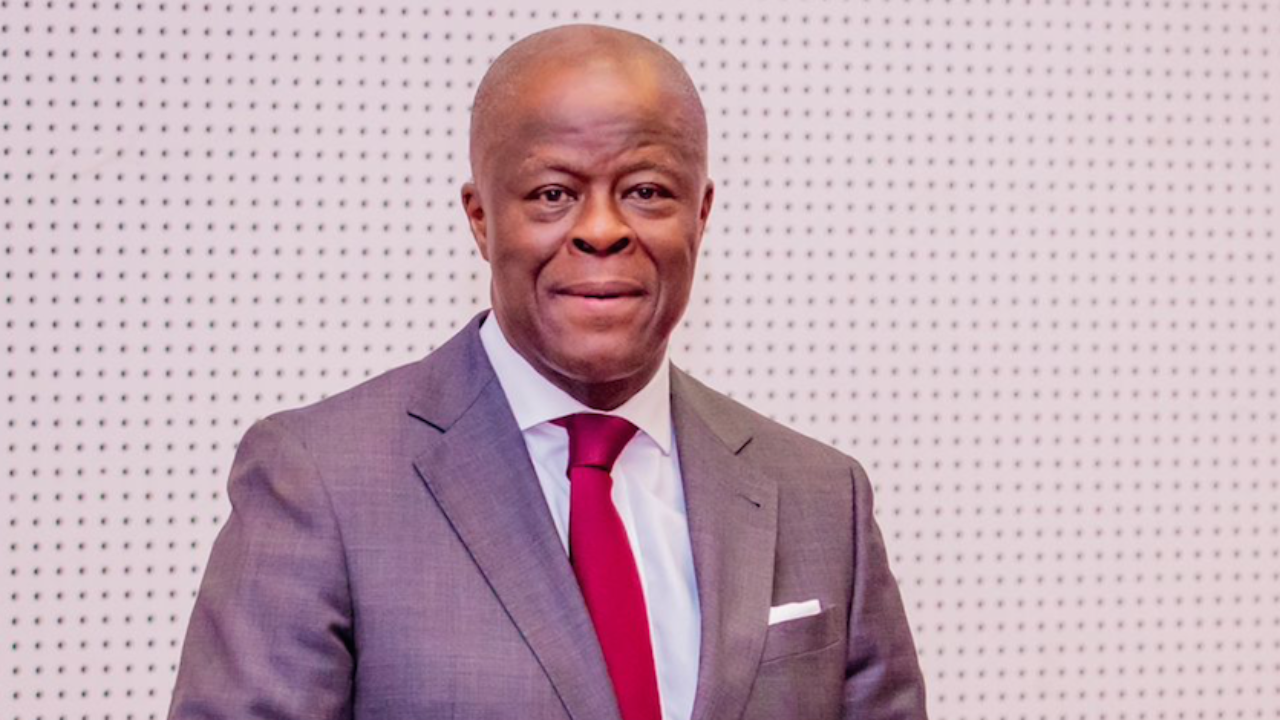
Minister of Finance and Coordinating Minister of the Economy, Mr. Wale Edun, has called for a comprehensive reset of the global economic order to reflect the realities and priorities of emerging market economies.
Edun made the call in Saudi Arabia during a panel session of Finance Ministers from key emerging market economies at the Al Ula Conference for Emerging Market Economies.
The conference brought together global finance leaders to examine how international trade, monetary systems and macroeconomic policies can be reshaped amid far-reaching changes in the global economy.
According to a statement posted on the official X handle of the Federal Ministry of Finance on Sunday, Edun argued that the existing global economic architecture no longer adequately serves emerging and developing economies.
He said a global economic reset was necessary to ensure fairer outcomes in trade, finance and capital flows.
The minister advocated a stronger and more coordinated voice for emerging markets in ongoing global economic reforms.
He noted that despite accounting for a significant share of global growth, population and natural resources, emerging economies remain under-represented in global financial decision-making.
Edun also highlighted the growing strategic importance of Gulf nations in the evolving global economic landscape.
He said countries in the Gulf are increasingly shaping global trade routes, investment flows and sources of capital, making them critical partners for emerging economies such as Nigeria.
The finance minister stressed Nigeria’s commitment to building stronger partnerships that promote a more inclusive and equitable global financial system.
He said Nigeria was positioning itself to engage constructively with global partners to support reforms that unlock growth, stability and shared prosperity.
Edun’s call comes amid mounting global economic pressures.
Many emerging economies are grappling with high debt levels, elevated inflation, volatile capital flows and tightening global financial conditions.
Rising interest rates in advanced economies have increased debt-servicing costs, while currency volatility has strained fiscal and external balances across Africa and other developing regions.
Global trade is also facing increased fragmentation due to geopolitical tensions, supply chain disruptions and protectionist tendencies.
These trends have disproportionately affected emerging markets that depend heavily on trade, foreign investment and access to international finance.
For Nigeria, the push for a global economic reset aligns with ongoing domestic reforms aimed at stabilising the macroeconomic environment.
The country has embarked on exchange rate reforms, fiscal consolidation and efforts to attract long-term investment to support growth and job creation.
Edun has repeatedly argued that without reforms to the global financial system, domestic policy efforts in emerging economies risk being undermined by external shocks.
At the Al Ula conference, he reiterated that a more balanced global system would enhance resilience, improve access to finance and support sustainable development.
He said Nigeria would continue to engage in global policy conversations to ensure that emerging economies are not only rule-takers but active shapers of the new global economic order.
We’ve got the edge. Get real-time reports, breaking scoops, and exclusive angles delivered straight to your phone. Don’t settle for stale news. Join LEADERSHIP NEWS on WhatsApp for 24/7 updates →
Join Our WhatsApp Channel