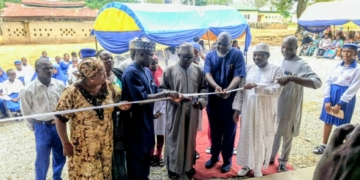
A multinational environmental initiative aimed at tackling marine plastic pollution has commenced operations in Calabar, Cross River State, with the launch of the PROTEGO (Prevention of Marine Litter in the Gulf of Guinea) project, targeting waste cleanup and recycling around the Beach Market, Nsidung axis.
The project, implemented by Lumos Laboratories Nigeria Limited, is designed to convert plastic waste into interlocking tiles and construction bricks while creating employment for youths and women in the host community.
The founder of Lumos Laboratories and lead innovator of the project, Mr Ejikeme Nwosu, said the intervention was necessitated by increasing plastic waste leakage into marine ecosystems, particularly in coastal cities such as Calabar.
He described the Beach Market, Nsidung, as a critical pollution hotspot, stressing that the project would not only focus on waste collection but also establish a value chain that transforms plastic waste into commercially viable construction materials.
Nwosu explained that the recycling facility would incorporate an integrated energy system that generates part of its operational power from biodegradable waste sourced from the same market environment, reducing dependence on fossil fuels and improving sanitation conditions within the community.
He noted that the initiative is expected to reduce marine litter, improve public hygiene in the market environment, and create a scalable waste management model for other coastal cities in Nigeria and across the Gulf of Guinea region.
According to him, the project also prioritises human capacity development through sensitisation campaigns and hands-on training for youths and women on plastic waste collection, sorting, and conversion techniques, with the goal of promoting sustainable livelihoods and community ownership of environmental protection efforts.
PROTEGO is funded by the German Federal Ministry for the Environment, Climate Action, Nature Conservation and Nuclear Safety under its Grant Programme against Marine Litter.
The initiative is being coordinated by adelphi research gGmbH in collaboration with several local and international partners to reduce plastic pollution in Nigeria and Ghana through recycling innovation, policy support, and public awareness.
The Calabar rollout builds on earlier achievements recorded under the PROTEGO framework, including Lumos Laboratories’ emergence as one of three winners of the €40,000 PROTEGO Innovation Challenge for its plastic-to-construction materials technology.
The company has also gained international recognition for its clean energy innovations, including an award at the Global African Hydrogen Summit in Windhoek, Namibia, for its waste-to-energy technology.
Stakeholders expressed optimism that the Calabar recycling hub would strengthen local waste management systems, stimulate micro-economic activities, and contribute to broader environmental sustainability efforts along Nigeria’s coastal corridor.
We’ve got the edge. Get real-time reports, breaking scoops, and exclusive angles delivered straight to your phone. Don’t settle for stale news. Join LEADERSHIP NEWS on WhatsApp for 24/7 updates →
Join Our WhatsApp Channel