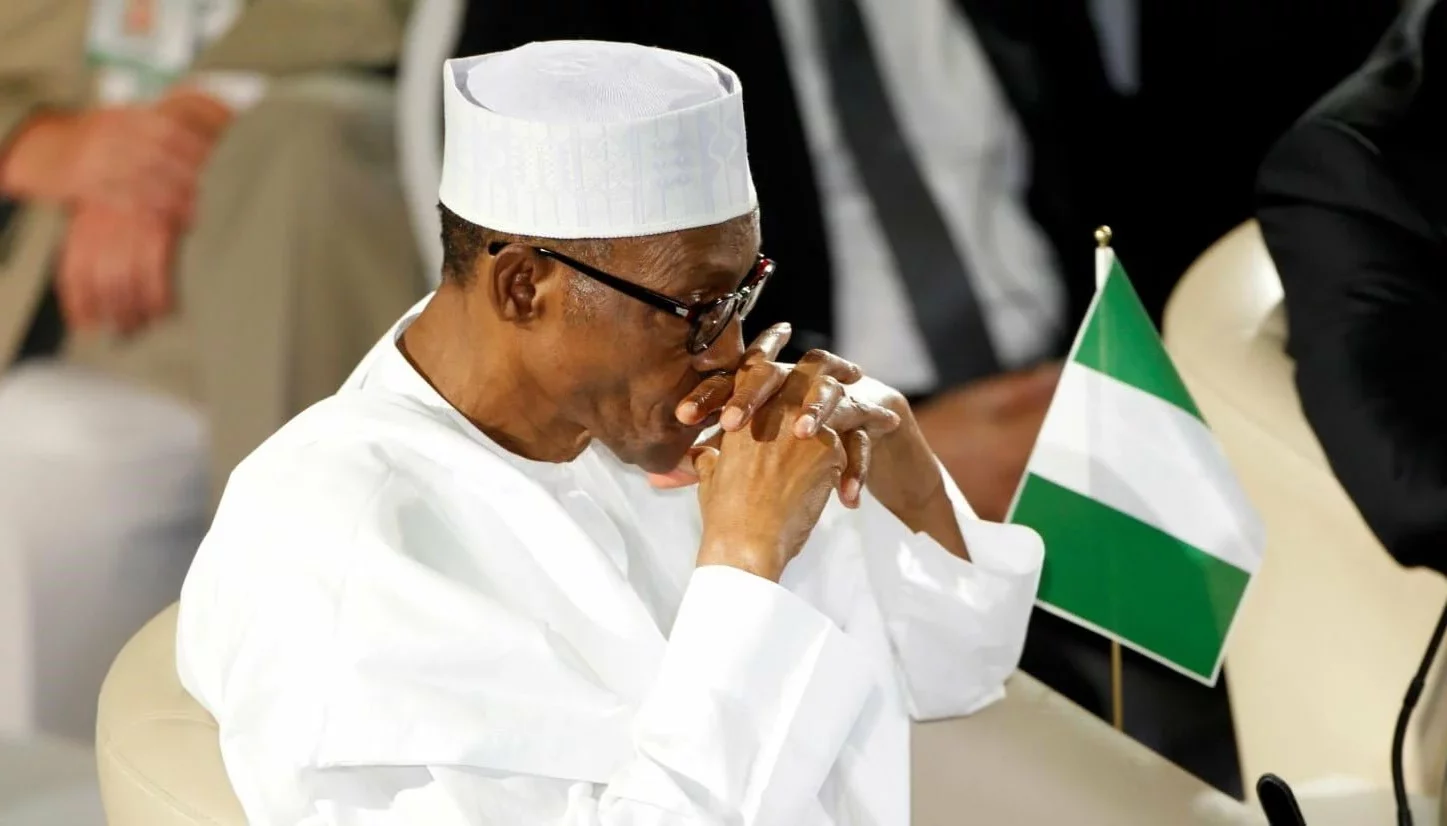
Before former President Muhammadu Buhari passed on, many of those who once orbited his inner circle had quietly drifted away. Only a few remained in close embrace. His unforgivable sin, in their eyes, was his refusal to prevail on President Bola Ahmed Tinubu to accommodate them in the new government. They felt abandoned—betrayed even.
Yet, fairness demands truth. Upon his inauguration, President Tinubu reportedly approached Buhari, requesting a list of individuals he might wish to recommend for appointment. Buhari declined outright. According to a source, he told Tinubu plainly: “This is your government. Appoint those you deem fit. I cannot and will not interfere.”
This was vintage Muhammadu Buhari—never a man of covetous greed or political avarice. He had his failings, yes, but greed was never his garment, nor impulsiveness his defining trait. Unlike many leaders before him who hover over their successors with suffocating influence, Buhari kept a dignified distance. He stayed far from the bedroom of overbearing posture.
This brings us to the deeper malaise: the excessive greed embedded in human political DNA. Most political appointees under the Buhari administration enjoyed unusually long tenures—many held uninterrupted control for eight full years. Yet, even that was not enough. When Buhari declined Tinubu’s request to retain them, they became aggrieved. One must ask: if not for absurd entitlement, what justification exists for their resentment of the new political reality?
History offers sobering parallels, both in Africa and the West. Across the African continent, figures who rode liberation movements, military camaraderie, or mass political coalitions into power later barricaded themselves from the grassroots that gave them heft. From post-independence states to post–Cold War transitions, many leaders confused longevity with legitimacy, consolidating power while starving the next generation of access. In the West, the pattern is no less familiar—party men and women who emerged from labour movements, ideological caucuses, or grassroots party structures often retreated into elite insulation once authority was secured, closing ranks and narrowing pathways. Whether in Africa or Europe, the outcome is the same: when leaders disconnect from the roots that made them thick, their influence thins rapidly. Power not reinvested in people expires the moment office is lost.
History will remember many of these individuals not as patriots, but as textbook examples of ingratitude—obsessively entitled actors who did little to help Buhari truly succeed. During their eight years of what amounted to permanent residency in government, they barricaded access, blocked pathways for others, and dismantled the very ladders that once lifted them—only to perch atop unreachable heights.
The Buhari men and women inherited a collective political fortune but recklessly severed the umbilical cord of continuity. They refused to reproduce opportunity. There is the oft-told story of a minister who rose through the Buhari Support Organization. Once appointed, he shut the doors completely—even to those who labored for his emergence. He was not alone. They existed in numbers. Only a negligible few extended opportunities to others, and even then, sparingly.
So when these same figures clamored for seats in Tinubu’s cabinet, they exposed themselves as a gluttonous cohort—chronically dissatisfied, drenched in entitlement. Today, many of them stand in the rain, soaked in political solitude. Soon enough, they will fade into irrelevance—not because power left them, but because they failed to reproduce themselves in others.
No season lasts forever. When you hold power and fail to plant regenerative seeds, your political field inevitably suffers drought. That drought is now evident in the lives of many former Buhari appointees. Some have sought refuge in the ADC, but what is a party without foot soldiers—without people willing to go all in for you?
Contrast this with Ibrahim Badamasi Babangida, who left office over three decades ago yet remains politically consequential. Why? Because he built people. Influence, after all, is sustained not by office, but by investment in human capital.
There is something quietly admirable in how President Tinubu has carefully set many of these figures aside, rarely looking their way.
When they had the chance to be great, they retreated into selfish covens, forgetting the timeless truth: the world only remembers those who invest in others.
President Muhammadu Buhari is gone, but his legacy endures in permanent imprints. Sadly, many of those he entrusted with responsibility are unfit custodians of that legacy. Hardly anyone among them truly lives the Buhari ideology. They have faded into political Siberia—licking the wounds of squandered inheritance, and in the process, severing the very legacy they claim to defend.
We’ve got the edge. Get real-time reports, breaking scoops, and exclusive angles delivered straight to your phone. Don’t settle for stale news. Join LEADERSHIP NEWS on WhatsApp for 24/7 updates →
Join Our WhatsApp Channel