
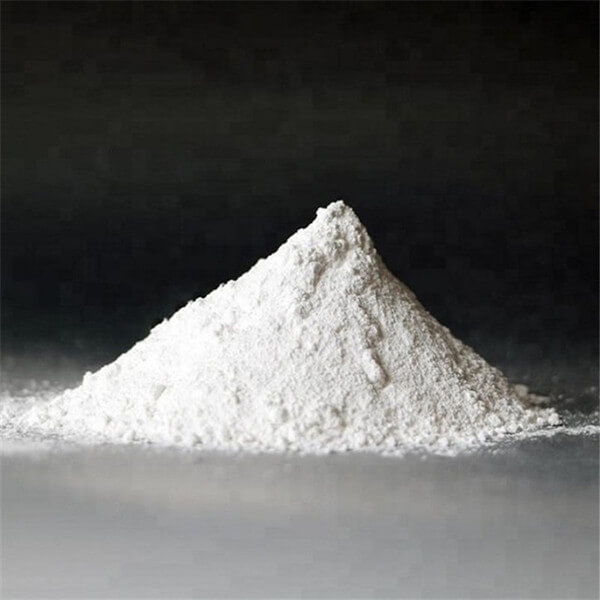
Thallium sulphate with a chemical formula named Tl₂SO₄ is a highly toxic chemical compound that has long been recognised by scientists and regulators as extremely dangerous to human health and the environment.
It is this notoriety that formed the basis of the concerns raised by former Kaduna State governor, Nasir El-Rufai, in his recent letter to Nigeria’s security authorities, demanding explanations on the rationale and purpose of procuring such dangerous chemical.
Findings by LEADERSHIP revealed that Thallium sulphate is an odourless, colourless crystalline powder, sometimes appearing as white prisms. It dissolves easily in water and is chemically stable under normal conditions, although it can break down when heated, releasing toxic fumes. Because of its properties, it was historically used as a rodenticide and insecticide in several countries.
However, due to its extreme toxicity, many countries have banned or severely restricted its use. In the United States and several other jurisdictions, it is no longer approved for use as a pesticide.
Thallium sulphate is classified as an extremely poisonous substance. Even very small amounts can be fatal to humans. It can enter the body through ingestion, inhalation, or skin contact. Medical literature describes it as a slow-acting but cumulative poison, meaning its effects may worsen over time as it builds up in the body.
Exposure has been linked to severe health effects, including gastrointestinal distress, nerve damage, hair loss, fatigue, convulsions, and in severe cases, coma or death. Because of these risks, thallium compounds are typically subject to strict controls, specialised handling, and close regulatory oversight.
In his letter to the National Security Adviser (NSA), Nuhu Ribadu, El-Rufai said opposition figures had information suggesting that about 10 kilograms of thallium sulphate was procured by the Office of the National Security Adviser (ONSA) from Poland. He stressed that, given the compound’s extreme toxicity and tight global regulation, such a procurement raises legitimate public-safety and accountability questions.
“I am writing as a concerned citizen to seek clarification and reassurance… Given that thallium salts are highly toxic and tightly controlled substances, I believe it is important – for public safety, democratic accountability and for maintaining public trust – to confirm the following details,” he wrote.
He specifically asked for clarity on the purpose of the chemical, how it would be stored, whether proper authorisation was obtained, and what regulatory oversight exists, including coordination with agencies such as National Agency for Food and Drug Administration and Control (NAFDAC) and the Nigeria Centre for Disease Control and Prevention (NCDC).
El-Rufai argued that openness about such procurement would help reassure the public and strengthen trust in national institutions, especially at a time of heightened political tension and debate over national security practices.
Another concern is the ongoing fight between the former Kanduna State governor and his once-upon-a-time ally, who is the current NSA. El-Rufai has, at different times, accused Ribadu of betrayal, political scheming, and witch-hunting, all allegations the latter has denied.
We’ve got the edge. Get real-time reports, breaking scoops, and exclusive angles delivered straight to your phone. Don’t settle for stale news. Join LEADERSHIP NEWS on WhatsApp for 24/7 updates →
Join Our WhatsApp Channel