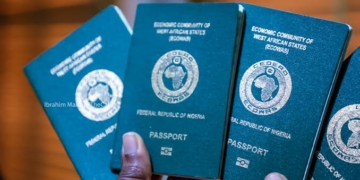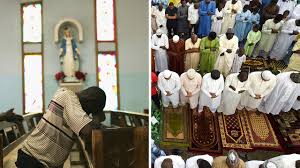
Today marks the beginning of two of the most significant periods in both Christianity and Islam: Lent and Ramadan. For a nation in urgent need of rebirth, this may seem symbolic, but it is actually auspicious. Almost the whole nation is on its knees before God in prayers and supplication for the forgiveness of sins and a promise to begin anew. It is important that we take this occasion seriously. This also explains the rarity of two editorials on this page.
Lent Begins The Journey Of Renewal
Today is Ash Wednesday, the solemn day that marks the beginning of Lent, the 40-day spiritual journey that culminates in the death of Christ on Good Friday and His glorious Resurrection on Easter Day.
It is a sacred season in the Christian calendar, rich in symbolism and reflection, marking a period of repentance, renewal and sober contemplation.
Traditionally observed with fasting and abstinence in several Christian denominations, it reminds the faithful of human frailty and the transient nature of earthly life. Many Christians mark the day by beginning a Lenten calendar or committing to a daily devotional. Catholics, in particular, attend Mass and receive ashes on their foreheads — a powerful biblical sign of repentance and the reminder that “dust thou art, and unto dust shalt thou return”.
Lent is regarded as the holiest period for Christians. It is a time when believers are called to deeper prayer, fasting and almsgiving — practices intended to draw them closer to God, from whom they seek forgiveness and divine favour. The 40 days recall the 40 days Jesus Christ prayed and fasted in the wilderness at the beginning of His salvific ministry. In that wilderness experience lies a profound lesson: spiritual strength is forged through sacrifice, discipline and unwavering trust in God.
Beyond the strictly religious observance, Lent holds significant importance for our country, Nigeria. At a time when the nation grapples with insecurity, weak institutional governance and widespread dissatisfaction among the populace, this sacred season offers a moment for collective introspection. For Nigerian Christians, it presents an opportunity to place the nation’s burdens before the Almighty and seek divine intervention in addressing some of the most pressing challenges. However, prayer must be accompanied by the right actions.
Lent equally presents an opportunity for leaders and public office holders to undertake deep reflection on their stewardship. It is a season to review governance approaches, amend what needs to be amended, and redirect attention from self-service to genuine service to the people. True repentance, after all, demands positive, intentional change.
We also entreat those who willfully engage in violence and evil against Nigerians and others resident in the country to abandon such ways, seek forgiveness and reconcile themselves to their Maker, who abhors injustice and cruelty.
Ash Wednesday reminds us that renewal is possible. If embraced in spirit and in truth, the Lenten season can inspire not only personal transformation but also the moral and civic rebirth the nation so urgently needs.
Ramadan: Reflect, Renew, Purify
As Nigerian Muslims prepare to welcome the blessed month of Ramadan, the entire nation holds its breath in anticipation of the crescent moon’s sighting. Whether it appears on Tuesday or Wednesday evening, the fast will begin on Wednesday or Thursday, marking the start of a sacred period of spiritual renewal, self-discipline, and compassion.
Ramadan is far more than abstinence from food and drink from dawn to dusk. It is a profound opportunity for inner purification. It teaches patience, empathy, and gratitude — virtues that are especially needed in our challenging times. The Prophet Muhammad (peace be upon him) said, “Whoever fasts Ramadan with faith and seeking reward, his previous sins will be forgiven.”
In Nigeria’s diverse society, Ramadan also serves as a powerful bridge. The spirit of generosity that defines the month — through Zakat, Sadaqah, and Iftar gatherings — fosters solidarity across ethnic and religious lines. When Muslims break their fast, they are encouraged to share with neighbours, the poor, and even non-Muslims. This beautiful tradition reminds us that faith should unite rather than divide.
As we anticipate the crescent, let us also reflect on our collective responsibilities. In a country still grappling with insecurity in the North, economic hardship, and social tensions, Ramadan offers a timely moment for introspection. The discipline of fasting cultivates empathy for those who go hungry daily — the displaced families in Borno and Yobe, the street children in Kano, and the struggling traders in Sokoto. It calls on leaders to prioritise the welfare of the people, youths to channel their energy positively, and all citizens to embrace tolerance and kindness. For those who are ill, travelling, pregnant, breastfeeding, or facing genuine hardship, the faith offers mercy and flexibility, reminding us that Allah desires ease, not difficulty.
Beyond personal devotion, Ramadan has a national dimension. The shared experience of fasting creates a sense of common purpose. Iftar tables in homes, mosques, and public spaces become symbols of hospitality and inclusion. In multi-faith communities, non-Muslims often join in breaking the fast, strengthening bonds of friendship and mutual respect. This spirit of generosity can inspire broader acts of charity — supporting IDP camps, funding education for out-of-school children, and aiding small businesses affected by economic pressures.
To every Muslim in Nigeria, from the bustling streets of Kano to the serene landscapes of Borno and the vibrant markets of Lagos, I wish you a blessed and accepted Ramadan. May Allah accept our fasting, prayers, and good deeds, strengthen our faith, and grant our dear nation peace, progress, and prosperity. May this holy month renew our commitment to unity, justice, and compassion, so that together we can build a better Nigeria.
We’ve got the edge. Get real-time reports, breaking scoops, and exclusive angles delivered straight to your phone. Don’t settle for stale news. Join LEADERSHIP NEWS on WhatsApp for 24/7 updates →
Join Our WhatsApp Channel