The Petroleum Products Retail Outlets Owners Association of Nigeria (PETROAN) has thrown its full backing behind President Bola Ahmed Tinubu’s Executive Order No. 9 of 2026, hailing it as a transformative step to make the Nigerian National Petroleum Company Limited (NNPCL) more accountable and commercially oriented.
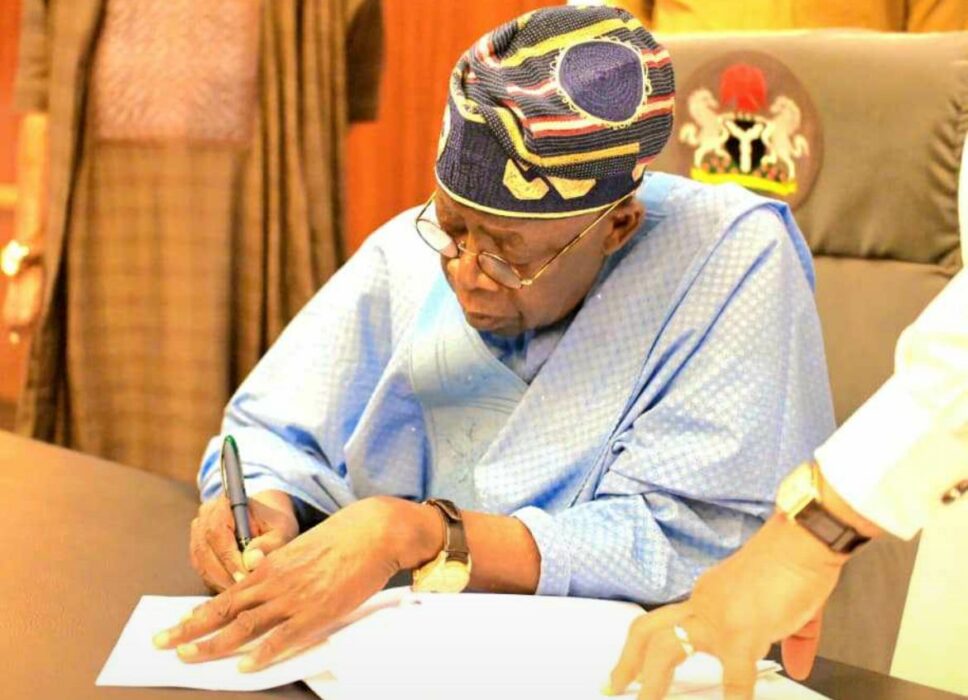
Signed on February 13, the order requires all federation oil and gas revenues, such as royalty oil, tax oil, profit oil, and profit gas, to be paid directly into the Federation Account. It suspends select Petroleum Industry Act (PIA) 2021 retention mechanisms, including the 30 per cent Frontier Exploration Fund, NNPCL’s; 30 per cent management fee on profit oil and profit gas, and the redirection of gas flare penalties.
In a statement by the national public relations officer Dr Joseph Obele, PETROAN national president Dr Billy Gillis-Harry called the move “courageous and reform-driven,” aligning with global fiscal best practices to curb leakages and rebuild public trust in Nigeria’s petroleum management.
The benefits, as outlined by PETROAN, span economic stability and operational efficiency: Enhanced Revenue Transparency: Centralising remittances bolsters accountability and public oversight.
Improved Fiscal Stability: Predictable inflows to the Federation Account will aid budget execution and macroeconomic management.
Stronger Commercial Focus for NNPCL: Stripping away retention mechanisms forces the state oil giant to prioritize profitability, efficiency, and discipline.
Refinery Revival Acceleration: The order could spur NNPCL to make government-owned refineries, like Port Harcourt, fully operational and viable.Investor Confidence Boost: Transparent governance elevates Nigeria’s appeal to global investors.
Gillis-Harry specifically lauded NNPCL group chief executive officer Bayo Ojulari for his hands-on efforts to resuscitate the Port Harcourt Refining Company, including a recent inspection with a Chinese technical firm.
He threw his weight behind adopting the Nigeria LNG Limited (NLNG) Bonny model—a privately driven, efficient structure—for the refinery.
“This would infuse private-sector discipline, transparency, and long-term productivity, making our refineries globally competitive, bolstering energy security, and slashing fuel import reliance,” Gillis-Harry stated.
The endorsement comes amid ongoing scrutiny of NNPCL’s finances. Critics have long accused the company of opacity under the PIA’s retention policies, which allowed it to hold billions in revenues for upstream investments and operations. Supporters argue the order could free up trillions of naira for federal spending on infrastructure, subsidies, and debt servicing, especially as oil prices hover amid global volatility.PETROAN pledged collaboration with the federal government and regulators to ensure the order delivers on energy security, job protection, and sectoral stability.
“We stand ready to support this transformation,” Gillis-Harry affirmed.Industry watchers see this as part of Tinubu’s broader push to commercialize state oil assets, echoing reforms since he took office in 2023.
With Nigeria’s refineries operating far below capacity—importing a high level of fuel needs—the order could mark a turning point, though implementation hurdles like legal challenges from PIA provisions loom.
We’ve got the edge. Get real-time reports, breaking scoops, and exclusive angles delivered straight to your phone. Don’t settle for stale news. Join LEADERSHIP NEWS on WhatsApp for 24/7 updates →
Join Our WhatsApp Channel