SAMSON ELIJAH writes on the controversy that trailed the recently enacted Electoral law and why it may continue to generate comments from Nigerians as the journey to the 2027 general election progresses.
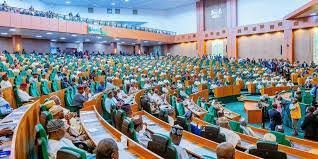
The chambers of the National Assembly of Nigeria were, for weeks, the scene of one of the most intense legislative confrontations in recent years, as lawmakers clashed over how election results should be transmitted under the amended Electoral Act.
What began as a technical amendment to the Electoral Act 2022 escalated into shouting matches, procedural disputes, walkouts, and protests at the complex’s gates. At the centre of the storm was Clause 60(3) of the Electoral Act (Amendment) Bill, which addresses the transmission of results from polling units and the procedure when technology fails.
The Core Dispute
The House of Representatives initially adopted a firm position, mandating real-time electronic transmission of results from polling units to the Independent National Electoral Commission’s Result Viewing Portal (IReV) immediately after Form EC-8A is completed and signed.
However, the Senate pushed for a hybrid system — making electronic transmission mandatory while allowing manual collation in the event of network or technical failures. Senators argued that Nigeria’s uneven broadband coverage and terrain required flexibility. The disagreement soon evolved into a full-blown political standoff between the two chambers.
Senate Showdown
Tensions peaked when Senator Enyinnaya Abaribe called for a formal division on Clause 60 during plenary, compelling senators to physically indicate their votes.
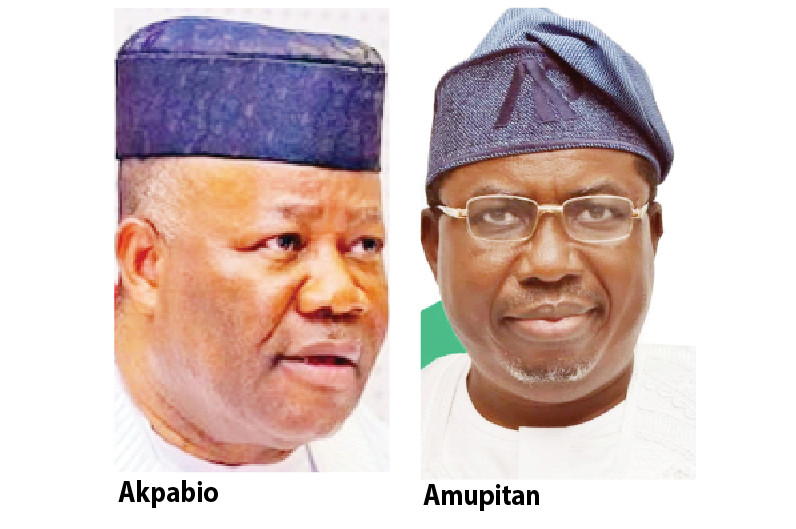
Senate President Godswill Akpabio reminded lawmakers of an earlier failed attempt at division on the same clause, while Deputy Senate President Barau Jibrin cited Order 52(6) of the Senate Standing Orders to caution against reopening a settled matter.
Senate Leader Opeyemi Bamidele countered that a motion for rescission had been duly moved, giving the Senate the authority to revisit the clause.
After a tense session marked by raised voices and hardened alliances, 55 senators voted in favour of retaining manual backup, while 14 opposed it alongside Abaribe. The hybrid model prevailed.
Under the amended clause, electronic transmission is mandatory, but if it fails due to communication challenges, the manually completed and signed EC-8A form serves as the legal basis for collation and declaration of results.
House in Turmoil
The House of Representatives witnessed even greater turbulence.
Speaker Tajudeen Abbas presided over proceedings to rescind the House’s earlier insistence on unconditional real-time transmission. When a motion for rescission was moved, a voice vote appeared to favour the “nays,” but the Speaker ruled that the “ayes” had it, triggering protests.
Minority Leader Kingsley Chinda led opposition lawmakers in a walkout, accusing the leadership of retreating from transparency. After an executive session, the House reconvened and aligned with the Senate’s hybrid position.
The 360-Day Question
Lawmakers also debated Clause 28, which requires notice of elections to be issued at least 360 days before polling. With the 2027 general elections projected for February, concerns were raised that retaining the timeline could push voting into the Ramadan period.
The Senate rescinded and recommitted several clauses to correct drafting inconsistencies and address timeline concerns. Eventually, both chambers harmonised their positions.
Pressure From Outside
Outside the complex, civil society groups under the “Occupy NASS” campaign demanded unconditional electronic transmission.
Political figures such as Peter Obi and Rotimi Amaechi publicly supported mandatory real-time transmission, describing it as critical to restoring public trust.
Tensions escalated when security operatives fired tear gas at protesters attempting to access the complex, injuring several people and drawing criticism. The House later pledged to investigate the incident.
Presidential Assent
Following passage by both chambers, President Bola Tinubu signed the amendment into law, citing limitations in broadband, technical vulnerabilities, and cybersecurity concerns.
The amended Act formally adopts the Bimodal Voter Accreditation System as the sole mandatory accreditation method, introduces digital voter identification measures, adjusts timelines ahead of 2027, and increases penalties for electoral offences.
A Political Truce
In his closing remarks, Akpabio described the compromise as “innovative” and “patriotic,” arguing that it balances technological advancement with operational safeguards.
The final framework establishes that electronic transmission is mandatory; manual collation is permitted where electronic transmission fails; polling unit results remain foundational to the process; and election timelines are adjusted to avoid legal or religious conflicts.
While reform advocates argue that the compromise leaves room for manipulation, defenders insist it reflects realism in a country with more than 176,000 polling units and uneven infrastructure.
Although the bill has now become law, the political reverberations of Clause 60(3) are expected to shape Nigeria’s electoral discourse as the 2027 general elections approach.
Ameh Faults Electoral Act 2026
Meanwhile, a former National Chairman of the Inter-Party Advisory Council (IPAC), Chief Peter Ameh, has criticised the amendment to the Electoral Act 2026, describing it as a legislative overreach.
Speaking with LEADERSHIP Sunday, Ameh accused the National Assembly of undermining party autonomy by abolishing indirect primaries and restricting political parties to direct primaries or consensus.
He said the removal of indirect primaries weakens flexibility in candidate selection and could centralise control within party leadership structures.
According to him, the changes raise concerns about internal democracy and the broader health of Nigeria’s electoral system.
We’ve got the edge. Get real-time reports, breaking scoops, and exclusive angles delivered straight to your phone. Don’t settle for stale news. Join LEADERSHIP NEWS on WhatsApp for 24/7 updates →
Join Our WhatsApp Channel