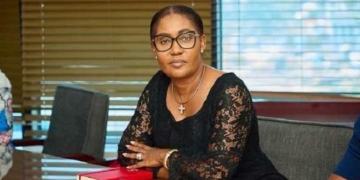

Nigeria’s sovereign credit outlook is showing early signs of recovery as reform momentum begins to steady macroeconomic fundamentals, according to S&P Global Ratings, which says the country is “turning a corner” despite lingering debt vulnerabilities across Africa.
Speaking on Monday, the Head of National Ratings and Analytics for Africa at S&P, Samira Mensah, said more than 20 African countries remain at high risk of debt distress, citing data from the International Monetary Fund. She noted that while fiscal pressures persist, a combination of policy reforms and improving growth prospects had driven several sovereign rating upgrades on the continent last year.
“Nigeria is turning a corner,” Mensah said, although she acknowledged that the country continues to grapple with heavy debt service obligations that constrain fiscal flexibility. Nigeria is currently rated B minus with a positive outlook, reflecting what the agency sees as gradual improvement in policy direction and reform execution. The positive outlook suggests the potential for an upgrade if reforms are sustained and macroeconomic stability deepens.
Across the continent, seven sovereign upgrades by S&P last year were largely driven by reform momentum and better growth prospects. However, the ratings agency also took negative actions where external shocks and policy reversals worsened credit metrics.
Mensah noted that african governments will lean more on multilateral lenders and reform momentum in 2026 even as debt distress risks remain elevated across the continent. “We have so far, according to the IMF, more than 20 countries facing a high risk of debt distress, or severe vulnerabilities,” she said.
She added that resilience to external shocks is important because Eurobond borrowing typically comes in dollars. Bond issuance in sub-Saharan Africa has seen its strongest ever start to a year with lower borrowing costs driving about $6 billion of sales from the likes of Benin, Kenya and Ivory Coast. More is in store including a maiden sale by the Democratic Republic of Congo.
The ratings agency said seven of its sovereign upgrades in Africa last year were driven mainly by improving growth prospects and reform momentum, but it also took negative actions where shocks and policy setbacks made credit metrics worse.
South Africa is rated BB with a positive outlook, Nigeria is B- positive, Mozambique is at CCC+ with a negative outlook while Senegal is at CCC+ “credit watch developing” reflecting concerns that it may potentially default.
“African sovereigns are looking more and more for the support of multilateral development banks,” she said, arguing that highly rated multilaterals can mobilise capital at more attractive yields and then lend it to sovereigns on the continent.
S&P estimates that the average cost of funding for African sovereign issuance declined by about 100 basis points between 2024 and 2025 to 7.7 per cent. However, it cautioned that the lower average masks a selective market in which weaker credits still face elevated borrowing costs.
The agency also flagged potential room for expanded multilateral lending capacity. Recent changes to its criteria for rating multilateral institutions could ease capital constraints, potentially unlocking between $600 billion and $800 billion in additional sovereign loans globally. On a pro rata basis, that could translate to between $90 billion and $120 billion in extra financing for African sovereigns.
We’ve got the edge. Get real-time reports, breaking scoops, and exclusive angles delivered straight to your phone. Don’t settle for stale news. Join LEADERSHIP NEWS on WhatsApp for 24/7 updates →
Join Our WhatsApp Channel