
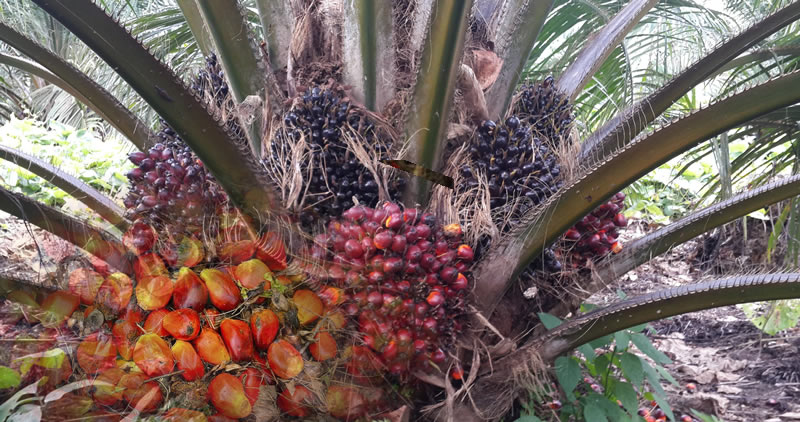
Again, Palm Oil farmers have called for partnership with federal government to build N20 trillion oil palm economy.
Declaring its readiness to generate over N20 trillion in annual revenue for the country, the group stressed that collaboration between them and government will help to actualize the plan through various value chains.
Although Nigeria is blessed and a major market for neighbours countries,
because of our population, because of the size of our economy, and because of the level of our industrial development, the importation bill hovers around maybe $600 million every year.
“I would like to look at the oil palm sector, mostly as it concerns the smallholders, who produce quite a large amount of what we currently produce in the country. The general implications of recent government policy and programmes or what the government calls intervention in the agricultural sector, have resulted largely in the impoverishment of primary producers of agricultural products. And it cuts across oils, cereals, and a lot of them. Currently, we are trading at a price that is 50 per cent less than what it was just less than two months ago. And we are still in the lean season for oil palm.
“Currently, at the price we are selling palm oil in this country, we are selling at less than production price. And this is not good enough for smallholder farmers who depend on this for school fees, who depend on this for medicine, who depend on this for the general economic well-being of their households and their communities.”
Speaking at the Plantation Owners Forum of Nigeria (POFON), the President of National Palm Produce Association of Nigeria (NPPAN), Alphonsus Inyang assured the stakeholders that gathered yesterday in Lagos, that coming together with government will make the plan a doable plan.
Inyang, however lamented against the neglected current state of oil palm value chain in the country and across other major producers of the product globally as other countries are using this as loophole to flood the Nigerian markets with import, based on dearth of local production; poor attention of national and subnational governments, and the feasibility of converting oil palm into a major foreign exchange earner, among others.
We’ve got the edge. Get real-time reports, breaking scoops, and exclusive angles delivered straight to your phone. Don’t settle for stale news. Join LEADERSHIP NEWS on WhatsApp for 24/7 updates →
Join Our WhatsApp Channel