
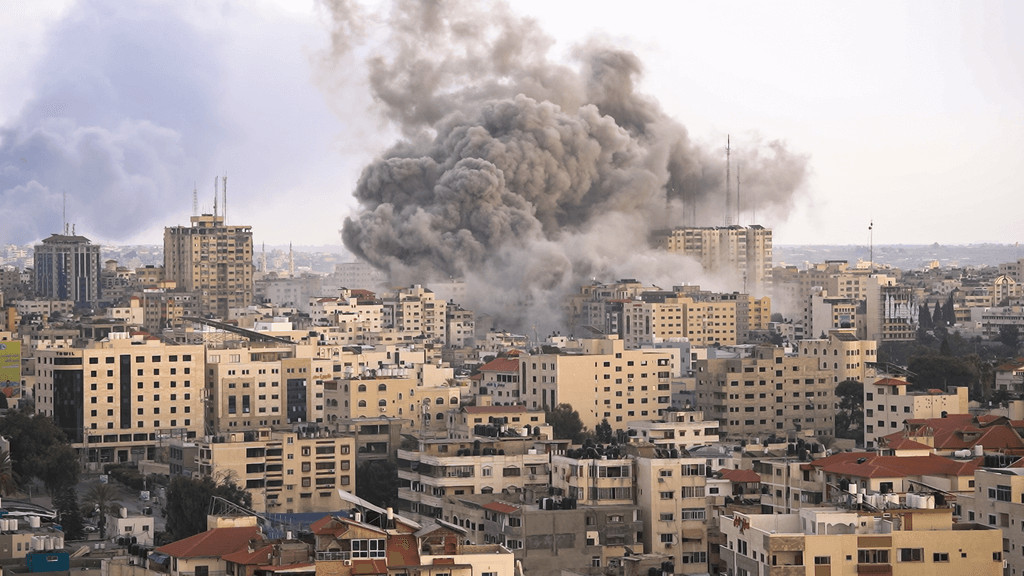
Nigeria’s economy faces potential shocks as the escalating military confrontation between the United States, Israel and Iran sends ripples through global energy markets, financial systems and trade routes. For Africa’s largest oil producer, the conflict presents a paradox: higher crude prices could boost government revenue while simultaneously fueling inflation, currency volatility and rising living costs for households.
Tensions in the Middle East have pushed global oil markets higher, with traders factoring in potential supply disruptions across one of the world’s most critical energy corridors. For Nigeria, where crude exports remain the backbone of public finances and foreign exchange inflows, sustained price increases could provide short-term fiscal relief and support external reserves.
Energy analyst Dr. Chike Ofodile said higher crude prices traditionally strengthen Nigeria’s revenue position and support the naira, but the country’s ability to fully benefit depends on production capacity. “If output remains constrained, Nigeria may not capture the full advantage of rising prices,” he said.
Yet rising oil prices may not translate into immediate relief for ordinary Nigerians. The country’s reliance on imported refined petroleum products means global price increases often feed through into higher domestic fuel costs, pushing up transportation and operating expenses across the economy.
Development economist Joseph Arune told LEADERSHIP that geopolitical conflicts often transmit inflationary pressures directly to consumers, undermining purchasing power even as government revenues improve.
Financial markets also represent a significant channel of exposure. During periods of heightened geopolitical risk, investors typically move toward safe-haven assets, strengthening the U.S. dollar and putting pressure on emerging-market currencies, including the naira. Economist Dr. Cyril Omale said that while higher oil prices may support Nigeria’s foreign reserves, currency volatility and capital flow disruptions could exacerbate import costs and inflation simultaneously.
The conflict may also disrupt global trade logistics. Strategic shipping routes linking Asia, Europe and Africa could be affected, raising freight and insurance costs. Trade policy specialist Ms. Bilkisu Mahmud, said Nigeria’s manufacturing sector, which relies heavily on imported inputs, could face higher production expenses that are ultimately passed on to consumers.
Geopolitical implications extend beyond the economy. With diplomatic ties spanning Western and Muslim-majority countries, Nigeria could face delicate foreign policy choices as global alliances harden. Security expert Mr. Tunde Ayodele, said international conflicts often have indirect domestic consequences, influencing ideological narratives that could be exploited by extremist actors.
For ordinary Nigerians, the war could be felt directly in several ways: higher petrol prices, rising food and living costs, a weaker naira, increased costs of imported goods, and broader uncertainty affecting business operations and jobs.
Some economists, however, see opportunity amid the turmoil. Elevated oil prices could provide fiscal breathing space for Nigeria to stabilize reserves and accelerate structural reforms if the windfall is managed prudently. Economist Gerald Omokaro, said the long-term outcome depends on whether temporary revenue gains are invested in diversification and productivity rather than short-term consumption.
As global markets adjust to rising geopolitical risk, analysts caution that the conflict underscores Nigeria’s vulnerability to external shocks. While short-term fiscal relief may be possible, inflation, currency volatility and trade disruptions highlight the urgent need for a more diversified and resilient economy.
We’ve got the edge. Get real-time reports, breaking scoops, and exclusive angles delivered straight to your phone. Don’t settle for stale news. Join LEADERSHIP NEWS on WhatsApp for 24/7 updates →
Join Our WhatsApp Channel