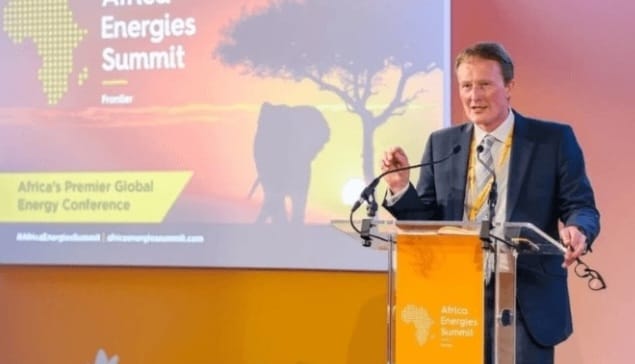
The African Energy Chamber (AEC) has called on industry stakeholders to boycott the Africa Energies Summit 2026, arguing that any platform benefiting from African participation must also uphold fair and inclusive employment opportunities for Africans and Black professionals. The Chamber alleged that the summit’s organisers operate hiring practices that shut out qualified Africans from substantive roles.
The move marks a clear escalation in the Chamber’s campaign against the London-based summit, widely regarded as one of Africa’s premier gatherings for upstream oil and gas. The event is scheduled to take place in London from May 12 to 14, 2026, according to its official website.
NJ Ayuk, Executive Chairman of the AEC, described exclusionary hiring as “both a moral and commercial concern,” arguing it contradicts the values of fairness, growth, and partnership the industry promotes.
Over the past several weeks, the Chamber’s stance has hardened. Earlier, it had signaled a “targeted, lawful and selective boycott” of institutions failing to embrace inclusive hiring. That position has now evolved into a direct call to boycott the summit itself, urging African governments, companies, and industry actors to withhold support from a platform accused of sidelining Black professionals.
At the heart of the dispute is the Chamber’s contention that organisations operating in Africa should not profit from African markets, sponsorship, and official participation while allegedly denying equitable access to jobs.
The Africa Energies Summit, now in its ninth edition, positions itself as a key convening platform for governments, investors, national oil companies, and senior executives. According to the Chamber, its influence makes exclusionary practices particularly significant, as African ministers and regulators cannot credibly advocate local content while associating with institutions accused of discrimination.
The AEC emphasised that its stance is supportive of the oil and gas sector rather than hostile. It praised the industry’s role in tackling energy poverty, creating jobs, and building African leadership, while insisting that any exclusion of Africans by summit-facing institutions is indefensible.
As of now, the summit’s official materials contain no response addressing the allegations. The absence of a formal reply risks intensifying the controversy, turning participation itself into a political and commercial signal as the summit approaches.
We’ve got the edge. Get real-time reports, breaking scoops, and exclusive angles delivered straight to your phone. Don’t settle for stale news. Join LEADERSHIP NEWS on WhatsApp for 24/7 updates →
Join Our WhatsApp Channel