Telecommunications operators in Nigeria have warned that the escalating geopolitical tensions in the Middle East could drive up operational costs across the sector if the crisis persists.
Under the aegis of the Association of Telecom Companies of Nigeria (ATCON), industry stakeholders said the ongoing conflict involving Israel, the United States and Iran may exert cost pressures on telecom companies, particularly through rising energy prices and increased costs of telecom equipment.
President of ATCON, Tony Omoekpere, who spoke with LEADERSHIP, explained that while the crisis may not immediately disrupt telecom services in Nigeria, it could significantly affect operators’ cost structures.
According to him, the most immediate impact of the geopolitical tension would likely be higher operational expenses rather than direct service disruptions.
“I think what is happening is largely an increase in costs, and it is going to have a huge effect on operational expenses. These are unforeseen issues,” Omoekpere said.
He noted that telecom operators typically include contingency provisions in their operational budgets to cushion the impact of unexpected global developments.
“Most of the time, operators already build contingencies into their operational costs, so they might be able to manage some of the shocks. However, if the situation persists and the pressure increases, it will certainly hurt operational costs,” he added.
Omoekpere also disclosed that equipment vendors supplying the telecom industry have begun raising concerns as global uncertainties intensify.
“We are already seeing complaints even from vendors because some of these agreements are long-term contracts that cover extended periods,” he explained.
According to him, many of these contracts contain adjustment mechanisms designed to accommodate moderate price changes.
However, severe global disruptions could push costs beyond the agreed thresholds.
“Once you have these kinds of shocks, there is usually an index already included in most contracts. But once the shocks exceed the index that has been contractually agreed upon, it begins to affect operational costs,” he said.
Industry observers warn that prolonged geopolitical instability could further strain Nigeria’s telecom sector, which is already grappling with rising energy costs, foreign-exchange volatility, and infrastructure challenges.
However, he stressed that despite the rising expenses, the crisis is not expected to immediately affect the quality of telecom services for subscribers across Nigeria.
He said, “It is not supposed to have a direct effect unless there are shortfalls in the availability of products right now. I am not seeing shortfalls in product availability. What we are seeing is an increase in product costs.”
Additionally, he noted that operators are increasingly exploring alternative energy solutions to reduce their heavy dependence on diesel for powering telecom infrastructure.
“Alternative energy sources are what are being looked at now in terms of how we can move away from being heavily diesel dependent,” he said.
There have been questions over whether rising operational costs could eventually lead to higher telecom tariffs and poor service quality for subscribers.
However, Omoekpere said tariff adjustments are subject to regulatory processes and cannot occur automatically due to cost increases, while telecom companies are daily improving the quality of service due to investment in the sector.
“The increase in tariffs is one of the things we are advocating, but it still has to go through the regulatory process before there is any increase,” he said.
According to him, an immediate tariff hike is not currently anticipated despite the emerging pressures on telecom operators.
“By and large, an immediate tariff increase is not envisaged at the moment, but there will be huge pressure on operators to maintain quality of service due to the increase in costs,” he said.
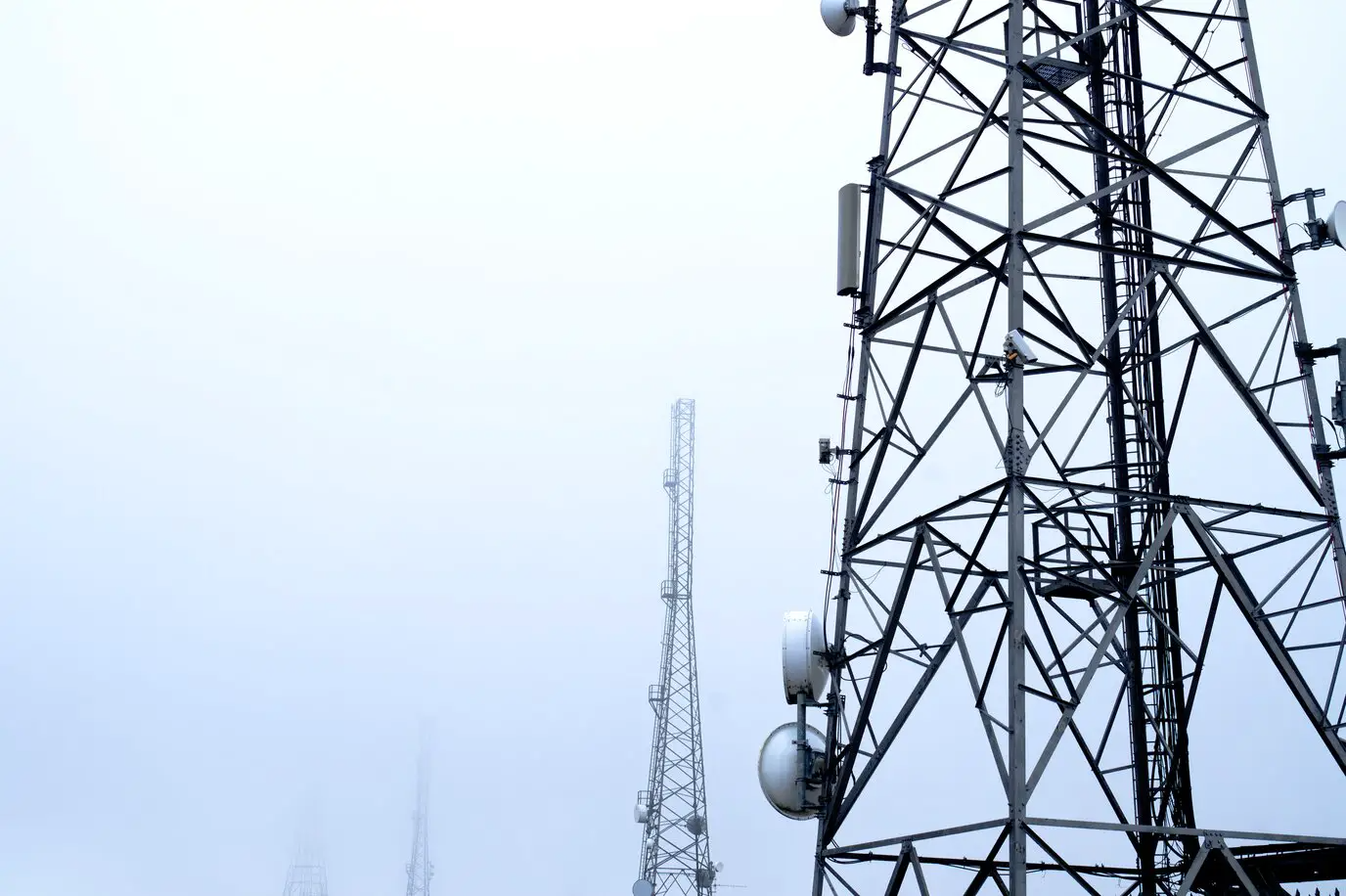
Omoekpere further remarked that the sector’s heavy reliance on diesel is largely due to the distributed nature of telecom infrastructure across the country.
“The reason diesel has that sort of effect is that telecom infrastructure is distributed. Telecom sites are spread across many locations, so you need independent backup power for every site,” he said.
The ATCON boss emphasised the need for improved public electricity supply to reduce the burden on operators.
“Ideally, what we should be striving for is high availability of municipal power. If that happens, the reliance on diesel will reduce significantly,” he added.
Consequently, he urged subscribers not to anticipate tariff hikes for now.
“Nobody should be looking forward to a tariff increase. Not yet,” Omoekpere said.
We’ve got the edge. Get real-time reports, breaking scoops, and exclusive angles delivered straight to your phone. Don’t settle for stale news. Join LEADERSHIP NEWS on WhatsApp for 24/7 updates →
Join Our WhatsApp Channel