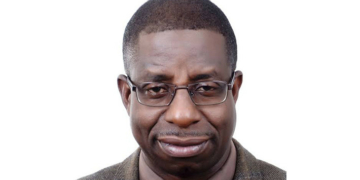
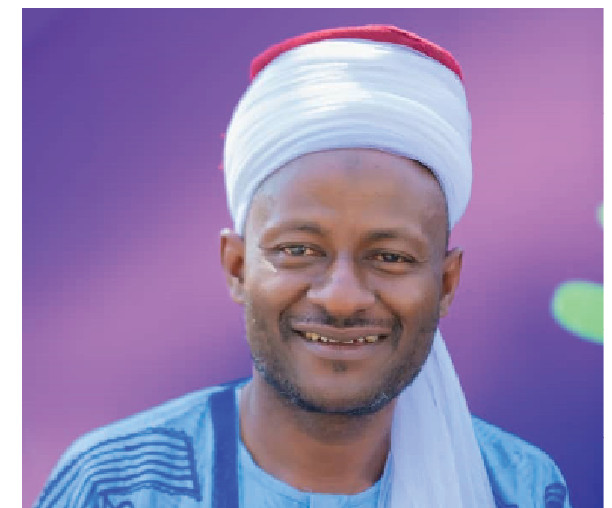
Ustaz Abubakar Aliy Kamal, an Islamic preacher, Publicity Secretary of the Ilorin branch of the Ansarul-Islam Society of Nigeria (AISN), and Chief Imam of Issa-Elelu Memorial Mosque, Ilorin, Kwara State. He speaks with ABDULLAHI OLESIN on Muslims’ obligations after Ramadan.
How can Muslims maintain the spiritual momentum they’ve built up during Ramadan in their daily lives?
Ramadan builds habits, don’t drop them all at once. Keep a minimum baseline: pray all five daily prayers on time, maintain a daily moment for dhikr (remembrance of Allah), and sustain some form of voluntary worship, even if small.
The key is consistency, not intensity. The Prophet emphasised that the most beloved deeds are those done regularly, even if small.
What are some practical ways Muslims can continue to prioritise acts of charity and kindness after Ramadan?
Ramadan trains generosity. Muslims should extend this by setting a monthly charity budget, even if small, helping people around them (family, neighbours, co-workers), smiling, checking in on others, and forgiving quickly. Charity isn’t just money; it includes time, effort, and character.
How important is it for Muslims to continue fasting outside of Ramadan, and what are some recommended fasting schedules?
Voluntary fasting is highly recommended as it strengthens discipline. For instance, fasting six days in Shawwal attracts the reward of fasting for a whole year. Likewise, fasting on Mondays and Thursdays, as well as the white days (13th, 14th, and 15th of each lunar month), is encouraged. Such fasting is not obligatory, but it helps keep one’s Ramadan spirit alive.
What role should the Qur’an play in a Muslim’s life after Ramadan, and how can they increase their engagement with it?
The Qur’an should remain a daily companion. Muslims are encouraged to set a realistic daily reading goal, even if it is just 1–2 pages. They should recite the Qur’an with understanding (using translation or tafsir) and listen to recitations during commutes or free time. Consistency matters more than completing large portions quickly.
How can Muslims balance celebrating Eid with maintaining a sense of humility and gratitude?
Eid is a celebration, but also an act of worship. Muslims are expected to express gratitude to Allah for completing the Ramadan fast. They should avoid excessive or extravagant spending on celebrations and share their joy with others, especially the less privileged. Celebrate, but remain spiritually grounded.
What are some common pitfalls Muslims should avoid after Ramadan, and how can they stay on track?
Some people abandon good conduct completely and quickly return to bad habits, while others lose focus on prayer. To stay on track, Muslims are encouraged to keep at least one Ramadan habit alive, stay connected to practicing friends, and regularly renew their intentions.
How can Muslims prioritize their relationships and community after Ramadan, and what are some ways to strengthen bonds with others?
Ramadan often reconnects people, and Muslims should not lose that bond. They should visit family members regularly and participate in community or mosque activities. Resolving conflicts and forgiving others are essential parts of strong faith.
Relates well with the people irrespective of religious affiliation to promote peaceful coexistence among them.
What is the significance of the month of Shawwal, and how can Muslims make the most of it?
Shawwal is not a “cool-down” month; it is a continuation. Fasting six days in Shawwal carries immense rewards and shows that Muslims’ worship is not limited to Ramadan.
We must continue to adhere to the Islamic rules and regulations. We must observe our obligation to Allah at all times.
How can Muslims use the lessons they’ve learned during Ramadan to improve their personal character and behavior?
Ramadan teaches patience, which helps control anger. It teaches discipline, which promotes consistency in worship. It teaches empathy, which encourages care for others. It also turns temporary restraint into lasting character.
What advice would you give to Muslims who feel like they’ve “fallen off” after Ramadan, and how can they get back on track?
This is very common, and Muslims are encouraged not to lose hope. Rather, they should return to Allah immediately without delay. Start small again, do not try to do everything at once. Remember that consistency leads to perfection. Falling off does not mean failure; it is part of the journey. What matters is returning.
We’ve got the edge. Get real-time reports, breaking scoops, and exclusive angles delivered straight to your phone. Don’t settle for stale news. Join LEADERSHIP NEWS on WhatsApp for 24/7 updates →
Join Our WhatsApp Channel