
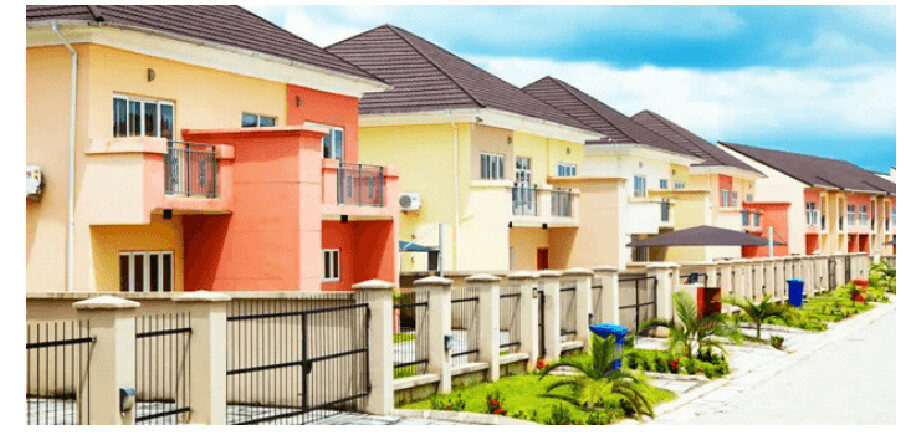
In Lagos, Nigeria’s commercial nerve centre, the struggle for housing has become one of the clearest expressions of the country’s inflation crisis. What was once a predictable annual expense has turned into a volatile gamble, as rents surge faster than wages and housing slips beyond the reach of the very people who keep the city running.
From the mainland to the outskirts, landlords are hiking rents aggressively, tenants are downsizing or relocating farther away, and inflation is quietly redrawing the social and economic geography of the city.
Across Lagos, rent increases of 50 to 100 per cent within two years are no longer unusual. A two-bedroom flat that rented for under N1 million in 2021 now commands N1.5 million or more in many middle-income neighbourhoods.
Even single rooms and self-contained apartments in densely populated areas like Mushin, Agege, Yaba and Surulere have climbed beyond N300,000 annually, excluding agent fees and deposits.
For tenants, the shock is not just the increase but the speed. In many cases, rent reviews happen yearly, sometimes without improvements or even basic maintenance.
Landlords, facing rising costs of building materials, maintenance, property taxes and a weakening naira, increasingly treat rent as a hedge against inflation. Property has become a store of value in an unstable economy. Tenants, however, absorb the full weight of that adjustment, often without the bargaining power to resist.
Nigeria’s prolonged inflationary cycle has pushed housing costs upward from every angle. Cement, steel, paint, labour and financing have all become more expensive. Mortgage access remains limited, interest rates are high, and long-term housing finance is largely inaccessible to low- and middle-income earners.
In Lagos, where more than 80 per cent of residents live in rented accommodation, this pressure is magnified. As home ownership slips out of reach, demand for rental housing intensifies, driving prices even higher.
The result is a vicious cycle: inflation pushes up costs, landlords raise rents, tenants stretch budgets, and more people are forced into overcrowded or distant housing.
For many Lagos workers, steady employment no longer translates into housing security.
Speaking to LEADERSHIP, Kamal Bello, a laboratory assistant who moved to Lagos in 2023 for work, arrived with modest savings and the belief that he could “start small.” He quickly discovered that Lagos rent has no room for entry-level incomes.
After temporary accommodation fell through, Kamal spent weeks sleeping at friends’ places and occasionally at his workplace. His monthly earnings of about N85,000 barely covered food and transport, while even basic rooms within the city were priced far beyond reach.
“In Lagos, you don’t house-hunt with low income,” he said. “You negotiate survival.”
Eventually, he secured a self-contained room in Ikorodu for N220,000, affordable only because of the distance. His daily commute now stretches several hours.
“Rent didn’t just move me out,” he said. “It moved my life away from work.”
For Adekunle Adebayo, a sales supervisor in Ikeja, housing insecurity comes not from unemployment but from unpredictability.
“When I moved into my one-bedroom apartment in Ogba, the rent was N750,000,” he said. “Two years later, it became N1.6 million. Same building. Same conditions.”
With a monthly income just above N220,000, the increase forced lifestyle changes. Weekend side jobs now supplement his income. Marriage plans have been postponed.
“You can be working full-time and still be one rent increase away from displacement,” he said.
For Sade Williams, a junior HR officer with a logistics firm, rent pressure is a constant recalculation of priorities.
She lives alone along the Lagos-Badagry corridor, choosing location over comfort. Even there, rent increases are frequent.
“Every increase means something else must go,” she said. “Savings, health care, even proper meals.”
Earning about N250,000 monthly, she says housing consumes the first and largest share of her income.
“You earn, but you are always catching up,” she said. “Housing eats before anything else.”
Underlying the rent crisis is a severe housing shortage. Lagos continues to attract migrants faster than new homes are built. Affordable housing delivery remains far below demand, while private developers focus largely on high-end or short-let properties with quicker returns.
Many completed units sit empty, priced beyond the reach of average earners, while overcrowding increases in informal settlements and older neighbourhoods.
This mismatch has transformed Lagos into a city of extremes: luxury apartments rise beside communities where multiple households share single rooms.
Although tenancy laws exist in Lagos State, enforcement is uneven. Many tenants are unaware of their rights or lack the resources to challenge arbitrary increases. Informal agreements dominate, leaving renters exposed.
Without a coherent rent stabilisation framework or incentives for affordable housing development at scale, market forces continue to dictate outcomes, usually in favour of landlords.
For most workers earning below N300,000 monthly, owning a home in Lagos has become a distant abstraction.
“Even land on the outskirts feels impossible,” Kamal said.
A civil engineer, Yemi Oladipo, who managed to build a modest home in Ogun State after more than 15 years of work, said inflation has effectively shut the door for newer entrants.
We’ve got the edge. Get real-time reports, breaking scoops, and exclusive angles delivered straight to your phone. Don’t settle for stale news. Join LEADERSHIP NEWS on WhatsApp for 24/7 updates →
Join Our WhatsApp Channel