The director-general of the Manufacturers Association of Nigeria (MAN), Segun Ajayi-Kadir has called for urgent and coordinated government action to strengthen Nigeria’s energy security and shield the domestic economy from the intensifying impact of rising global fuel prices.
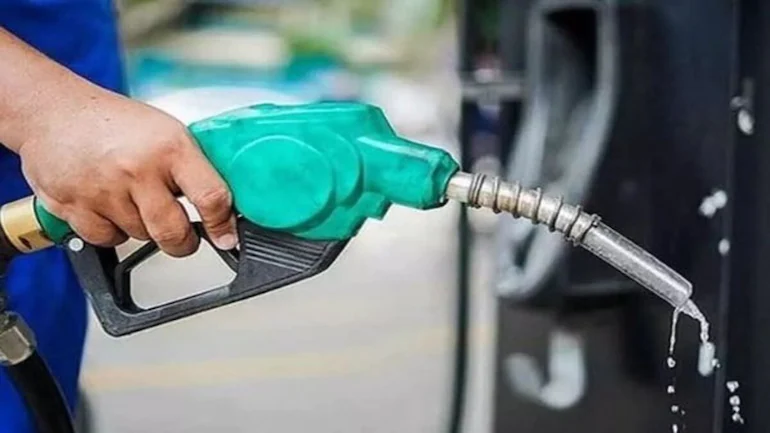
Providing context to the recent surge in Premium Motor Spirit (PMS) prices, Ajayi-Kadir stated that the development is not peculiar to Nigeria but reflects a broader global energy shock triggered by the ongoing conflict in the Middle East.
According to him, the crisis occurring within a major oil-producing region and disrupting critical shipping routes such as the Strait of Hormuz has driven crude oil prices above the $100 per barrel threshold, with far-reaching implications for energy markets worldwide.
He explained that these global disruptions have direct and significant consequences for Nigeria’s manufacturing sector, particularly in the areas of production costs, supply chain stability, and overall economic competitiveness.
The MAN DG noted that rising energy prices have led to an immediate increase in production costs for manufacturers, with many businesses now faced with the difficult choice of scaling down operations or passing additional costs on to consumers.
He further observed that beyond energy costs, the disruption of global shipping routes has escalated freight charges and war-risk insurance premiums, significantly increasing the cost of imported raw materials.
Ajayi-Kadir added that these pressures are compounded by foreign exchange instability, saying “a weakened naira continues to drive up the cost of importing essential inputs such as raw materials, machinery, and spare parts. Collectively, these factors are expected to fuel inflationary pressures, estimated between 30 and 40 percent, while eroding consumer purchasing power.”
He emphasised that the current global crisis serves as yet another wake-up call for Nigeria to rethink its economic structure and accelerate the development of a resilient industrial base.
Drawing parallels with lessons from the COVID-19 pandemic, Ajayi-Kadir noted that the ongoing geopolitical crisis underscores the risks associated with overdependence on imported petroleum products.
Ajayi-Kadir stressed that supporting domestic refining capacity is central to achieving energy security and insulating the economy from global shocks.
He highlighted the strategic importance of the Dangote Refinery and other emerging local refineries in transforming Nigeria’s petroleum landscape.
While recent adjustments in PMS pricing have drawn public attention, he clarified that such changes are largely reflective of prevailing global market conditions.
The priority, he noted, should be the creation of an enabling environment that allows domestic refineries to operate optimally and deliver long-term stability.
To mitigate the ongoing crisis and build resilience, the MAN DG urged the federal government to institutionalise crude supply to local refineries, promote self-sufficiency in petroleum products, encourage market patronage of local refineries, strengthen regulatory oversight, and stabilise foreign exchange and address logistics bottlenecks.
Ajayi-Kadir emphasised that incentivising domestic refineries represents a strategic act of enlightened self-interest for Nigeria.
He added that local refining would help minimise logistics inefficiencies, enhance competition within the market, and ultimately contribute to more stable and potentially lower fuel prices.
According to him, with its significant capacity, the Dangote Refinery, alongside modular and smaller refineries, has the potential to meet Nigeria’s domestic fuel demand, thereby reducing reliance on imports and stabilising the energy market.
We’ve got the edge. Get real-time reports, breaking scoops, and exclusive angles delivered straight to your phone. Don’t settle for stale news. Join LEADERSHIP NEWS on WhatsApp for 24/7 updates →
Join Our WhatsApp Channel