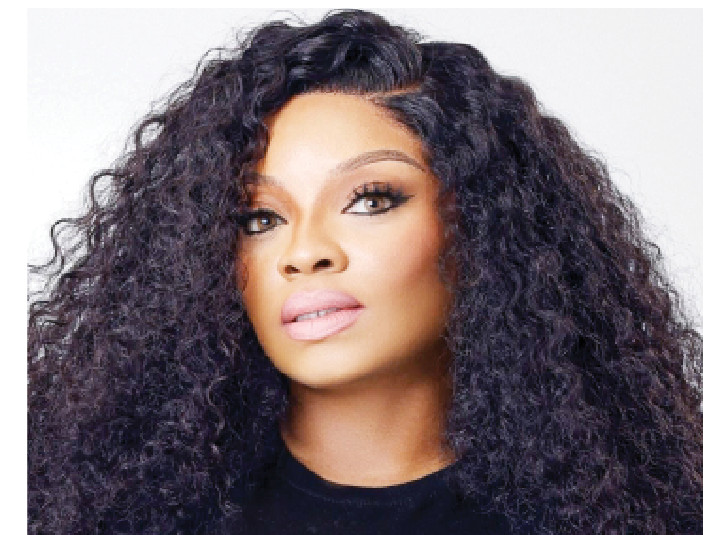
Chichi Nwoko is the founder and Chief Executive Officer (CEO) of Topteir Sports Management. In this interview with SALIFU USMAN, she reveals her organisation strategic vision for transforming the Nigerian National League (NNL) and Nigeria Women’s Football League (NWFL) into powerhouses of talent and commercial value. Excerpt
Why did Topteir Sports Management develop interest in NNL and NWFL?
Our interest in the NNL and NWFL is very intentional. To build a sustainable football ecosystem in Nigeria, we must build depth. The NNL is the bridge between grassroots football and the Nigeria Premier Football League, and the NWFL represents one of the most underleveraged assets in African sports today. We saw clear talent and passion, but structure, visibility, and commercialization were lacking. For us, it’s about the love of the game, nation-building, job creation, and creating a viable sports economy. We believe these leagues can become powerful platforms for talent development, storytelling, and commercial value if managed properly.
What is your partnership contributing to the development of NNL and NWFL?
We are bringing structure, visibility, and commercial discipline. Firstly, through Team 33 Production, we ensure professional match broadcasts. Visibility is everything; if people can’t see it, they can’t believe in it, and brands won’t invest. Secondly, we are introducing a clear commercial framework, from sponsorship architecture to media rights strategy, turning the leagues into viable businesses. Thirdly, we are focused on brand repositioning, changing the narrative from “development leagues” to “opportunity platforms.” Finally, we are pushing governance and accountability standards, as sustainable growth requires structure.
How would you rate NNL and NWFL so far this season?
There has been noticeable progress, which is important to acknowledge. Competitively, the leagues are strong—there is intensity, hunger, and real talent on display. We are seeing the beginning of alignment between on-pitch performance and off-pitch improvements. That said, we are still in a transition phase. Consistency in matchday experience, officiating standards, club professionalism, and broadcast quality all need elevation. So, strong potential and visible progress exist, but we are not yet where we need to be, which is precisely why we are here.
Do you think we have talent in the NNL and NWFL to flourish in the Super Eagles and Super Falcons?
Without question, the talent is not the issue; Nigeria has never had a talent problem. Historically, we’ve had a system problem – a gap in talent identification, development, exposure, and transition to the national level. The NNL is filled with players who, with the right structure, can step into the Super Eagles pipeline.
The NWFL, in particular, is a goldmine. Nigeria continues to produce world-class female footballers, many from this system. We need clear pathways: scouting, data tracking, performance analysis, and consistent exposure. When the system is fixed, talent naturally rises.
Encouragingly, the current NFF leadership, led by President Ibrahim Gusau and General Secretary Dr. Mohammed Sanusi, is actively working to solve this. Their openness to collaboration and understanding of commercial and structural gaps have been critical. There’s a clear shift from managing to strategically building an ecosystem.
This alignment extends to the National Sports Commission, with Director General Bukola Olapade and Chairman Shehu Dikko demonstrating deep appreciation for the role of structure, visibility, and private sector participation. Their practical and forward-thinking support is invaluable.
None of our work would be possible without this institutional backing. When leadership is aligned, execution becomes possible. The NNL and NWFL leadership also show a genuine willingness to evolve, embrace higher standards, and prioritize visibility and professionalism. There is stronger cooperation and a shared understanding that these leagues must become critical pillars of Nigeria’s football economy.
While work remains, the alignment across all key stakeholders—federation, commission, league bodies, and private partners—is different now. When that alignment exists, transformation becomes inevitable. I believe we are at the dawn of a new day in African Sports, despite all challenges.
Your advice to clubs and fans in the NNL and NWFL to make it very marketable?
For clubs, remember you are brands, not just football teams. Invest in your identity, intentionally build your fanbase, and tell your stories. Football today is as much about storytelling as it is about performance. Clubs must also improve professionalism, including timeliness, organization, player welfare, and sponsor engagement, as brands partner with structure. For fans, your role is critical: show up, engage, and support consistently. Fan energy attracts broadcasters and sponsors. Marketability is a shared responsibility among leagues, clubs, players, fans, and commercial partners.
Can Super Falcons successfully defend the WAFCON title and win it for the 11th time?
Absolutely. The Super Falcons have built a legacy of excellence and remain one of the most dominant teams in African football. However, dominance alone is no longer enough; competition across the continent has significantly improved. So yes, they can win it for the 11th time, but it will require preparation, discipline, and the right support systems. What gives me confidence is Nigeria’s talent, experience, and winning mentality. If these are matched with proper organization and support, there is no reason why the Super Falcons cannot defend their title again.
We’ve got the edge. Get real-time reports, breaking scoops, and exclusive angles delivered straight to your phone. Don’t settle for stale news. Join LEADERSHIP NEWS on WhatsApp for 24/7 updates →
Join Our WhatsApp Channel