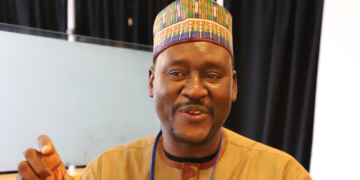
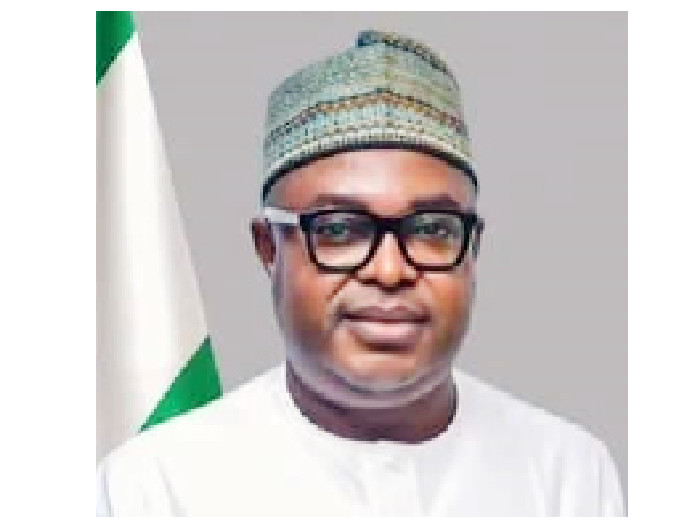
Commissioner for Power and Renewable Energy, Suleiman Umar in Niger State, in an interview with JONATHAN NDA- ISAIAH outlines Niger’s plan to achieve 80% electricity access and drive growth.
Niger State recently witnessed the signing of a Memorandum of Understanding (MoU) between the Rural Electrification Agency (REA) and ECOWAS. How will this partnership specifically benefit rural communities in the state, and what timeline should citizens expect for implementation?
The deal is specifically intended to increase access to portable, clean, and efficient power supply to primary healthcare facilities and remote communities far from the national grid. Therefore, the collaboration will facilitate improved healthcare delivery and boost economic growth in rural communities. As for the timeline, no specific implementation date has been set. The process is still at its earliest stages and will be carried out step by step.
The Niger State government has also engaged with development partners, including the Islamic Development Bank (IsDB). What projects are currently under discussion or being implemented through this partnership, particularly in renewable energy infrastructure?
The Niger State Government is in partnership with the IsDB to construct a 100MW solar power generation station to be located at Maikunkele in the Bosso Local Government Area. When completed, this project is expected to increase power supply to Minna township and its environs.
Governor Mohammed Umaru Bago has repeatedly emphasised electrification as a key pillar of agricultural and industrial development. How does the renewable energy strategy align with the state’s broader economic transformation agenda?
To address energy needs in critical sectors such as healthcare, education, transportation, agriculture, and rural communities, the Niger State Government, with strong commitment and support from the Governor, has keyed into a programme, anchored by the REA, known as the E-HEART initiative.
The process is also underway to deploy renewable energy technologies across these critical sectors for optimal performance.
Niger State hosts several national power generation assets connected to the national grid, yet the state reportedly receives only a small share of the electricity generated by these facilities. What steps is the state government taking to negotiate a more equitable allocation of power?
One of the steps taken to address this issue is the establishment of the Niger State Electricity Regulatory Commission (NSERC), which will oversee the state’s electricity market. One of its key mandates is to ensure improved power allocation across the state.
Reports indicate that Niger State currently receives only about 5% of the 100MW distributed to Abuja, Nasarawa, and Kogi, with the Federal Capital Territory receiving the largest share. Has the state initiated discussions with federal authorities to review this distribution framework?
Yes, the state government has been in negotiations with the Abuja Electricity Distribution Company (AEDC) over this issue. With the creation of NSERC, the Niger State arm of AEDC has been renamed the Niger Electricity Distribution Company (NEDC) and brought under NSERC. This will facilitate further discussions aimed at increasing the state’s power allocation.
Given that Niger State hosts major hydroelectric infrastructure and transmission assets, why has the state not yet been allowed to generate or distribute electricity independently from some of these resources?
The transfer of the electricity market to NSERC is intended to encourage the emergence of independent power generation and distribution companies. Once the regulatory agency becomes fully operational, many companies are expected to take advantage of these opportunities to increase power generation and distribution.
What role will mini-grids, solar farms, and off-grid renewable energy systems play in the state’s ambition to electrify up to 80% of rural communities, as earlier indicated?
The expansion of mini-grid projects and other off-grid solutions will accelerate the state’s efforts to electrify up to 80% of rural communities.
What opportunities exist for local entrepreneurs, technicians, and communities to participate in the renewable energy value chain as these electrification projects roll out?
Local entrepreneurs, technicians, and communities are expected to embrace new renewable energy technologies to power their businesses as alternatives to the existing grid.
How does Niger State plan to ensure that new renewable energy investments translate into job creation, rural economic growth, and improved livelihoods for residents?
The Niger State Government plans to ensure that renewable energy investments translate into job creation, rural economic growth, and improved livelihoods by forming energy users’ cooperatives, promoting public awareness, and engaging stakeholders to harness opportunities in renewable energy solutions.
Looking ahead five to ten years, what is the government’s vision for Niger State’s power sector, and can the state realistically position itself as a renewable energy hub for Northern Nigeria and the wider ECOWAS region?
Over the next five to ten years, the government’s vision for the Niger State power sector is to build a robust electricity market that ensures 80% of the population has access to electricity. This is expected to translate into massive job creation and economic growth.
We’ve got the edge. Get real-time reports, breaking scoops, and exclusive angles delivered straight to your phone. Don’t settle for stale news. Join LEADERSHIP NEWS on WhatsApp for 24/7 updates →
Join Our WhatsApp Channel