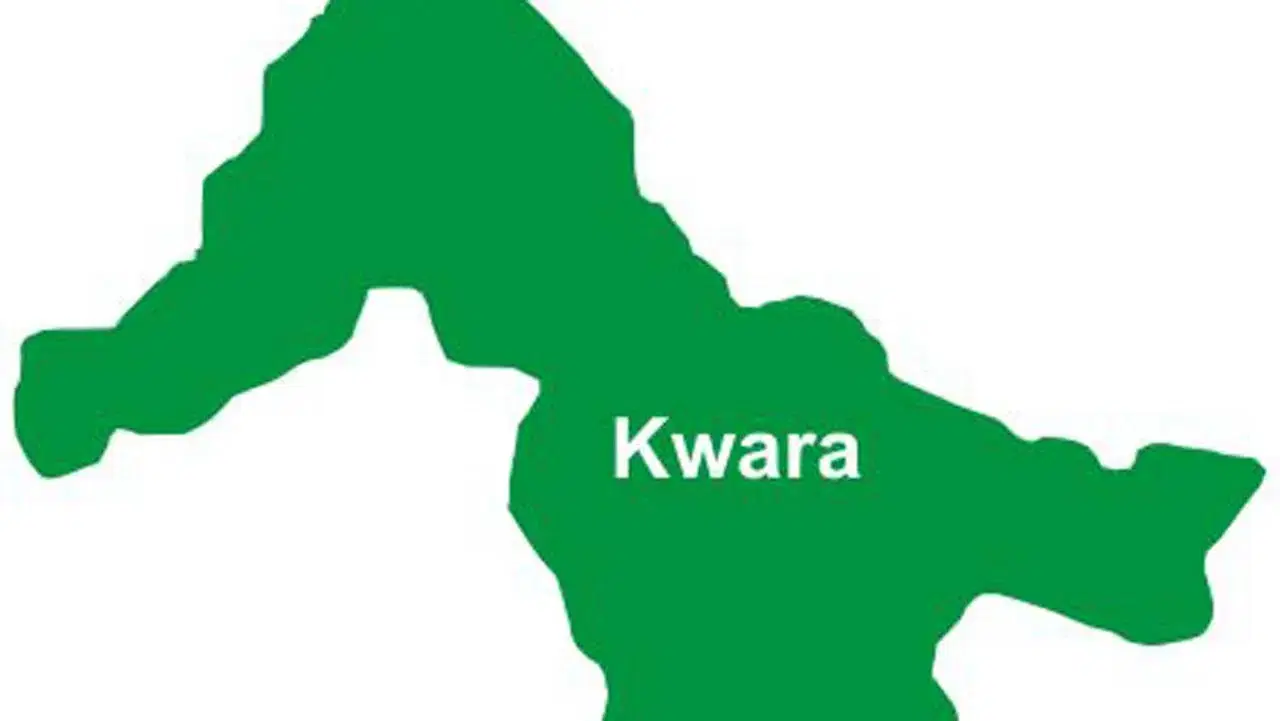
A new political projection by Kwara Must Change (KMC) suggests a major shift in Kwara State’s electoral balance ahead of the 2027 general elections, with Kwara North Senatorial District poised to overtake Kwara Central as the state’s largest voting bloc.
In a statement issued by its convener, Abdulrazaq Hamzat, the pro-democracy group said data trends over the past two decades showed a steady decline in Kwara Central’s dominance and a corresponding rise in Kwara North’s electoral strength.
According to the group, Kwara Central’s share of the votes has dropped from 52 percent in 1999 to 39 percent in 2023, a 13-point decline largely attributed to shifting voter dynamics beyond Ilorin and its surrounding urban centres, which have traditionally anchored the district’s influence.
In contrast, Kwara North has recorded consistent growth, rising from 24 percent in 1999 to 36 percent in 2023. Hamzat noted that although both Kwara North and Kwara South started on equal footing in 1999, the North has since surged ahead, widening the gap by more than 12 percentage points.
He attributed this rise to stronger grassroots mobilisation, increased voter engagement, and growing political awareness across rural and semi-urban communities in the district.
“Kwara North’s growth is remarkable, especially considering it began as the smallest voting bloc in the state.
What we are seeing now is the result of sustained organisation and deliberate voter expansion efforts,” Hamzat said.
Kwara South, on the other hand, has remained relatively stable, maintaining between 24 and 26 percent of the vote over the years, often playing a decisive swing role in statewide elections.
The 2023 elections, KMC observed, marked a turning point, with only a four-percentage-point gap separating Kwara Central and Kwara North, the narrowest margin recorded in decades.
The group said this trend reflects deeper demographic changes, improved voter mobilisation strategies, and a gradual redistribution of political influence, particularly between 2015 and 2023.
Within that period, Kwara North is estimated to have gained about four percentage points from Central and an additional two points from South, strengthening its hold across its five local government areas ,Baruten, Edu, Kaiama, Moro, and Patigi.
Looking ahead, KMC projects that Kwara North could command between 38 and 39 percent of the total vote by 2027, while Kwara Central may decline slightly to between 37 and 38 percent.
If this trend holds, it would mark the first time the northern district surpasses Central in electoral strength , a development that could significantly alter the state’s political calculations, especially amid increasing calls for power rotation and a governorship candidate from Kwara North.
Hamzat said even a modest growth rate of two percentage points per election cycle would be enough to overturn the margin recorded in 2023.
“This is not just about numbers; it reflects a broader shift from population-based dominance to performance-driven mobilisation, where organisation and voter turnout now matter more than ever,” he added.
The group also pointed to its track record of electoral projections, particularly during the 2019 “Otoge” political movement, which reshaped Kwara’s political landscape.
KMC said its forecasts were based on long-term analysis of voting patterns, constituency engagement, and historical trends.
However, Hamzat warned that insecurity in parts of Kwara North could pose a challenge to voter mobilisation if not addressed before the 2027 polls.
He described the projection as a wake-up call for all three senatorial districts to intensify voter education, registration, and mobilisation efforts.
“This is a clarion call for every zone to expand its voting strength. The future of Kwara politics will be determined by those who can effectively mobilise their people,” he said.
KMC maintained that the rising political consciousness and mobilisation efforts in Kwara North could ultimately make it the most influential voting bloc in the state by 2027, potentially reshaping power dynamics and governance representation in the years ahead.
We’ve got the edge. Get real-time reports, breaking scoops, and exclusive angles delivered straight to your phone. Don’t settle for stale news. Join LEADERSHIP NEWS on WhatsApp for 24/7 updates →
Join Our WhatsApp Channel