
• Hausa Edition
  • Podcast
  • Conferences
  • LeVogue Magazine
  • Business News
  • Print Advert Rates
  • Online Advert Rates
  • Contact Us
Wednesday, November 11, 2026
Leadership Newspapers
No Result
View All Result
  • Home
  • News
  • Politics
  • Business
  • Sport
    • Football
  • Health
  • Entertainment
  • Education
  • Opinion
    • Editorial
    • Columns
  • Others
    • LeVogue Magazine
    • Conferences
    • National Economy
  • Contact Us
Hausa Edition
  • Home
  • News
  • Politics
  • Business
  • Sport
    • Football
  • Health
  • Entertainment
  • Education
  • Opinion
    • Editorial
    • Columns
  • Others
    • LeVogue Magazine
    • Conferences
    • National Economy
  • Contact Us
No Result
View All Result
Leadership Newspapers
No Result
View All Result

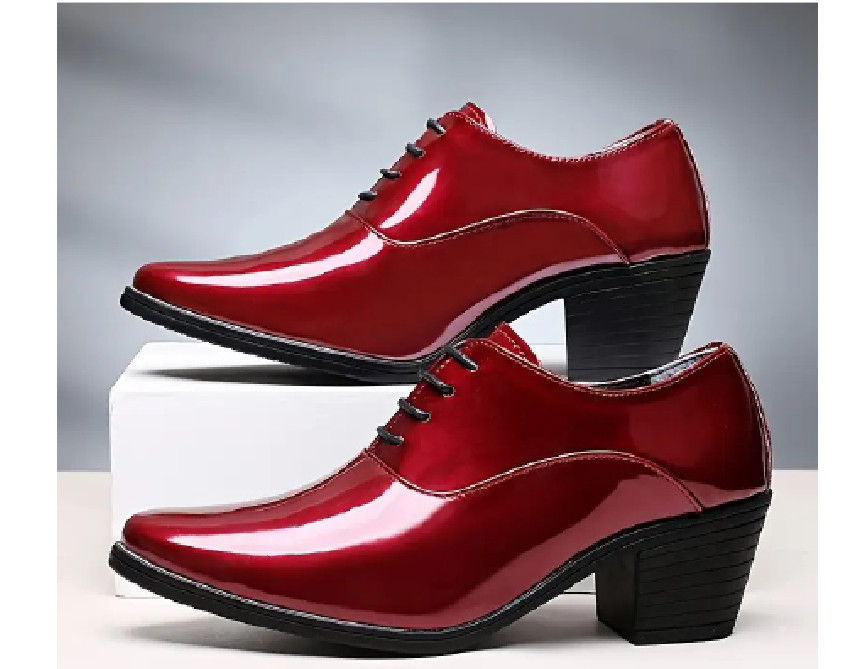
THINGS REMEMBERED: High-Heel Shoes Among Nigerian Men

Richard Abu by Richard Abu
7 months ago
in Feature
high heel for men
Share on WhatsAppShare on FacebookShare on XTelegram

From the 1970s through the early 2000s, high-heeled shoes were very fashionable among Nigerian men. In fact, the peak was in the 1970s and 1980s.

During that era, high heels were a fashion statement, strongly associated with style, confidence, and social status—especially in urban centres.

This was influenced by global trends such as disco culture and Western fashion. The major patrons were musicians, civil servants and the elite.

Popular highlife and funk musicians, inspired by international acts like James Brown, often wore high-heeled or platform shoes on stage. This helped normalise the trend locally, making it a symbol of sophistication and modernity.

By the 1990s, however, the trend began to decline. Changes in fashion tastes, the rise of casual dressing, and shifting ideas of masculinity led to high-heeled shoes gradually going out of style for men. By the early 2000s, they had largely disappeared from mainstream male fashion in Nigeria.

Today, high heels remain a staple in women’s fashion, but for men, they are mostly remembered as a distinctive feature of Nigeria’s vibrant past fashion culture.

RELATED NEWS

TECH FEATURE: How To Share Your Address With Google Maps

LOCAL SPOTLIGHT: Taslim Salaudeen Is Helping Put Nigerian Buildings On The Map

From Scrapyard To Service: How NASENI’s Asset Restoration Programme Can Unlock Billions In Public Fleet Productivity

Today, high-heel shoes for men have been replaced by flatter, more practical footwear. This shift is driven by changing cultural perceptions, global fashion trends and the growing emphasis on comfort and functionality.

In modern Nigeria, masculinity is often expressed through simple, easy dressing.

Footwear such as loafers, sandals and sneakers has become the preferred choice for men across different age groups. High heels, once seen as a mark of prestige, are now widely perceived as impractical and incompatible with contemporary male fashion.

Also, the fast-paced nature of daily life in the country demands mobility and comfort—qualities that high-heeled footwear cannot provide. From commuting to workplace activities, practicality has become a key determinant of fashion choices.

We’ve got the edge. Get real-time reports, breaking scoops, and exclusive angles delivered straight to your phone. Don’t settle for stale news. Join LEADERSHIP NEWS on WhatsApp for 24/7 updates →

Join Our WhatsApp Channel


BREAKING NEWS: Nigerians can invest ₦2.5million on premium domains and earn about ₦17-25Million. Earnings in USD. Rather than wonder, click here to find out how it works

Richard Abu

Richard Abu

Richard Abu is Deputy Editor of Leadership Newspaper, a senior journalist with extensive experience in editorial leadership across multiple titles at Leadership and other major Nigerian newspapers.

OTHER NEWS UPDATES

TECH FEATURE: How To Share Your Address With Google Maps
Feature

TECH FEATURE: How To Share Your Address With Google Maps

8 hours ago
LOCAL SPOTLIGHT: Taslim Salaudeen Is Helping Put Nigerian Buildings On The Map
Feature

LOCAL SPOTLIGHT: Taslim Salaudeen Is Helping Put Nigerian Buildings On The Map

8 hours ago
From Scrapyard To Service: How NASENI’s Asset Restoration Programme Can Unlock Billions In Public Fleet Productivity
Feature

From Scrapyard To Service: How NASENI’s Asset Restoration Programme Can Unlock Billions In Public Fleet Productivity

12 hours ago
Next Post
JUST-IN : Kebbi Assembly Speaker, Muhammad Ankwai Dies

JUST-IN : Kebbi Assembly Speaker, Muhammad Ankwai Dies

LATEST UPDATE

Bauchi Health Sector Faces Human Resource, Capacity-Building Challenges – UNICEF

42 seconds ago

Crowd Gathers As Pope Leo Bids Farewell To Argentine Faithfuls

3 minutes ago

ADC Alleges Inducement By APC At Campaign Rallies

4 minutes ago

Kaduna Motorists, Transporters Get Relief As NNPC Mega Station Sells Petrol At N1,329

8 minutes ago

Nigeria Active Drilling Rigs Registers Over 300% Activities

10 minutes ago

Mark-led ADC Faults Court’s Late Release Of CTC, Atiku Alleges Sealing Of Arewa House

20 minutes ago

NECSOB Partners NCTC To Protect Farmers In Borno

24 minutes ago

Kano Court Orders Destruction Of Over 400 Bags Of Spoilt Wheat Flour

28 minutes ago

Jaji Wins APC Fresh Primary In Zamfara With 26,646 Votes

38 minutes ago

2027: Tinubu Promises Four New Army Divisions, 50,000 Police Officers In Re-election Manifesto

46 minutes ago
Load More
Facebook Twitter Instagram Youtube Whatsapp

© 2026 LEADERSHIP Media Group - All Rights Reserved | Hausa | Online Casino | Polskie Kasyno.

No Result
View All Result
  • Home
  • News
  • Politics
  • Business
  • Sport
    • Football
  • Health
  • Entertainment
  • Education
  • Opinion
    • Editorial
    • Columns
  • Others
    • LeVogue Magazine
    • Conferences
    • National Economy
  • Contact Us

© 2026 LEADERSHIP Media Group - All Rights Reserved | Hausa | Online Casino | Polskie Kasyno.