The Nigerian Midstream and Downstream Petroleum Regulatory Authority (NMDPRA) is set to launch ‘Project NEXUS’ in the coming weeks, a flagship initiative aimed at transforming the agency into a best-in-class regulator and accelerating Nigeria’s push to become Africa’s energy hub.
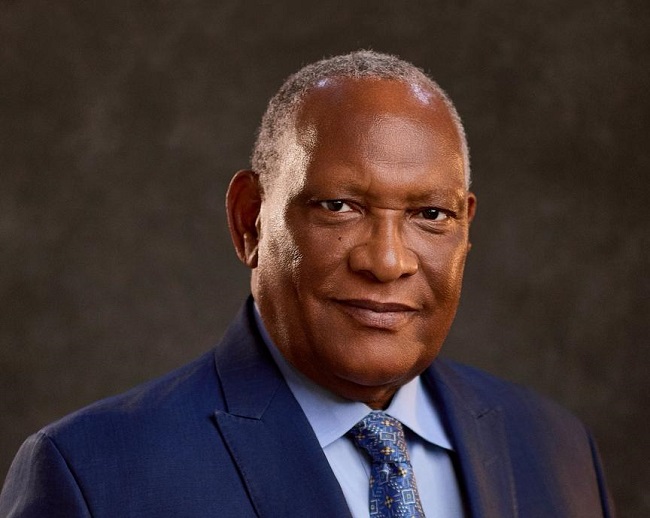
Speaking at the Oloibiri Lecture Series and Energy Forum (OLEF) hosted by the Society of Petroleum Engineers (SPE) Nigeria Council, NMDPRA chief executive Engr. Saidu Mohammed emphasised the need for intelligent operations backed by smart regulations to hit national production targets of 3 million barrels per day (bpd) of crude oil and 22 billion cubic feet per day (BCF/d) of gas within the decade.
These ambitions, he noted, align with Nigeria’s developmental needs amid global energy crises and conflicts, positioning the country as a reliable supplier to domestic markets, other African economies, and international buyers.
Central to the strategy is Project NEXUS, underpinned by the Midstream and Downstream Petroleum Industry Sustainability Initiative (MDPISI). This framework seeks to “future-proof” the sector by slashing carbon footprints, fast-tracking blue hydrogen development, and promoting carbon capture, utilization, and storage (CCUS) technologies.
Mohammed highlighted regulatory reforms under the Petroleum Industry Act (PIA) 2021, including the consolidation of 17 prior regulations into a single Petroleum Operations Regulation to enhance global competitiveness in the midstream and downstream segments.
Upstream efforts will prioritise “Big Bank” projects capable of delivering hundreds of thousands of oil barrels and billions of cubic feet of gas daily, supported by advanced technology for improved reservoir recovery and cost reduction.
Midstream infrastructure gaps must also be addressed through investments in pipeline revamps, oil refining, gas processing, and gas-based industries to match production targets, he added.
Funding will flow from the Midstream and Downstream Gas Infrastructure Fund (MDGIF), the Africa Energy Bank, development partners, and green financing options, capitalizing on favorable global energy dynamics.
“We are ready to work with stakeholders to bridge infrastructure deficits, ensure sustainable energy, and power Nigeria’s industrial renaissance,” Mohammed affirmed.
We’ve got the edge. Get real-time reports, breaking scoops, and exclusive angles delivered straight to your phone. Don’t settle for stale news. Join LEADERSHIP NEWS on WhatsApp for 24/7 updates →
Join Our WhatsApp Channel