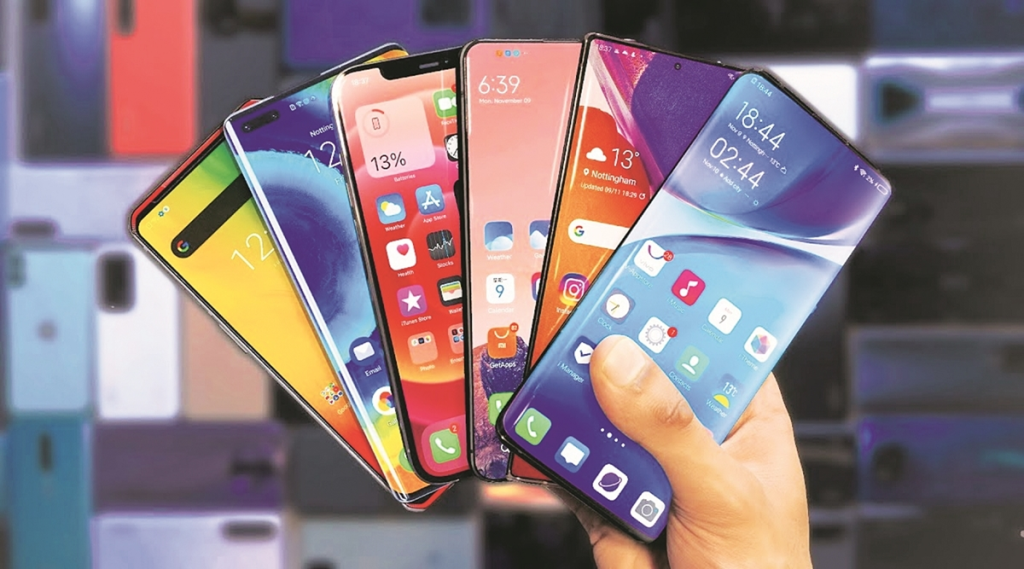
Worldwide smartphone shipments fell by 6 per cent in the first quarter of 2026 compared to the same period last year, as a worsening shortage of memory chips driven by manufacturers pivoting to artificial intelligence systems continues to pressure the device market, fresh industry data has revealed.
According to the latest findings from Counterpoint Research, the market has been heavily affected by constrained supplies of DRAM and NAND memory components. This is largely because memory producers are now allocating their limited manufacturing resources to produce chips for AI infrastructure rather than for consumer electronics.
The report also cited persistent geopolitical tensions in the Middle East, which have pushed original equipment manufacturers (OEMs) to adopt conservative strategies regarding how many devices they produce and at what prices. These strategies include delaying product releases and launching fewer new models, while customers have also refrained from making non-essential purchases due to the ongoing conflict.
“At the same time, some OEMs frontloaded shipments in anticipation of component price hikes and logistics cost escalation, offsetting a greater drop in shipments,” the report added.
Responding to the data, Senior Analyst at Counterpoint Research, Shilpi Jain, said the 6 per cent year-on-year decline is chiefly driven by memory producers shifting their focus away from consumer electronics.
“The per cent YoY drop is majorly driven by memory producers’ shift to prioritise AI data centres over consumer electronics,” Jain stated.
She noted that this shift has forced OEMs to pass on increased costs to buyers. Another outcome has been a noticeable uptick in demand for refurbished handsets.
“The shortage of memory chips and rising costs have impacted the price-sensitive segments the most, such as entry and mid-range devices, which are most exposed to such demand and supply pressures,” she added.
Jain further explained that the growing appetite for refurbished devices has directly reduced the volume of new smartphone shipments, as consumers look for cheaper options in the face of shortages and rising prices.
Among the five largest smartphone brands globally, Apple was the only one to see shipments increase during the quarter. However, Apple preserved its market lead with a 5 per cent rise in smartphone shipments, thanks to continued demand for the iPhone 17. The company currently holds a 21 per cent market share and recorded particularly strong growth in key Asia-Pacific markets, including China, India, and Japan.
By contrast, the other four manufacturers in the top five all posted year-on-year declines. Samsung’s shipments dropped by 6 per cent, reducing its market share to 20 per cent. The report attributed this fall to general market headwinds and a delay in the launch of its S26 series.
Xiaomi experienced the steepest fall among the top five, with shipments tumbling 19 per cent year-on-year. Even so, it remained in third place with a 12 per cent share. OPPO and Vivo occupied the fourth and fifth positions, capturing 11 per cent and 8 per cent of the market respectively, though their shipments declined by 4 per cent and 2 per cent.
Jain highlighted the uneven performance across the global smartphone landscape, drawing a clear line between premium brands and volume-driven Chinese manufacturers.
“While premium device makers like Apple remained relatively resilient to these pressures, volume-driven Chinese brands experienced sharper declines, especially in price-sensitive regions, contributing to the overall drop in global shipments,” she said.
However, for emerging economies such as Nigeria, where entry-level and mid-range smartphones dominate the market, industry observers warn that prolonged component shortages and escalating costs may accelerate the shift towards refurbished devices and further dampen new smartphone adoption. Consequently, the report’s outlook for the rest of 2026 remains weak, with projections that the chip shortage could persist until late 2027.
We’ve got the edge. Get real-time reports, breaking scoops, and exclusive angles delivered straight to your phone. Don’t settle for stale news. Join LEADERSHIP NEWS on WhatsApp for 24/7 updates →
Join Our WhatsApp Channel