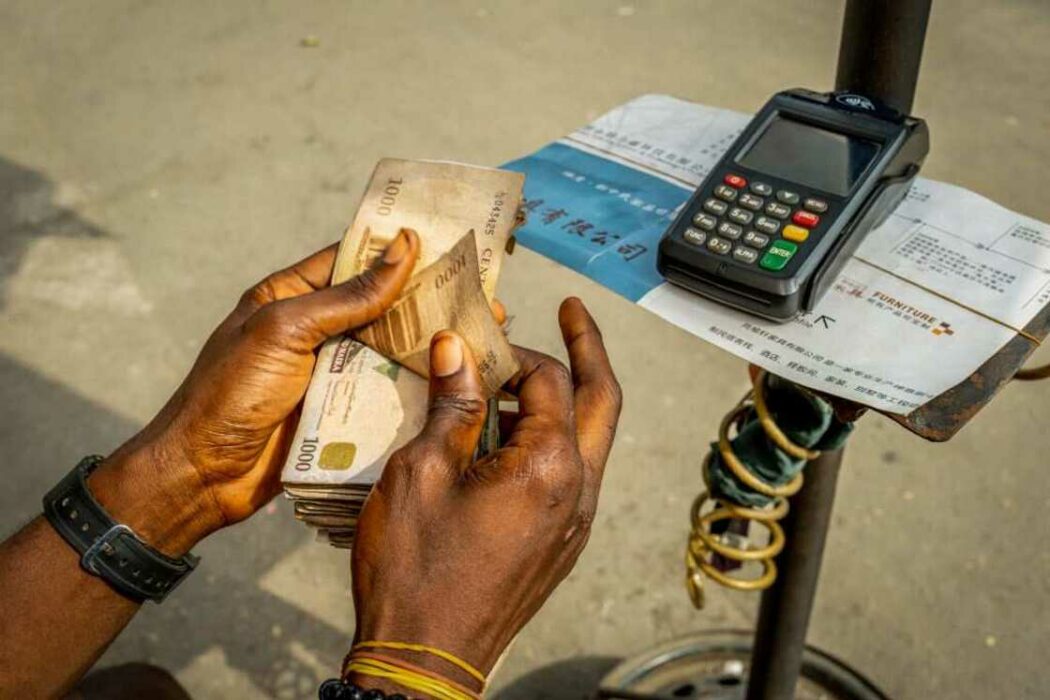
Nigeria’s relationship with money is personal. For a country that has lived through bank collapses, currency redesigns, and repeated economic turbulence, financial trust is not something people hand over easily. It is earned slowly, through consistent, reliable experience. That context is everything when trying to understand why, in spite of the rapid rise of fintechs and mobile wallets, so many Nigerians still reach for cash first.
As a prominent voice in the Nigerian tech space, TechCartel has tracked this tension closely across its fintech coverage. The digital payment industry is growing. But growth and trust are two different things, and the gap between them is where this conversation lives.
The Problem Is Not Ignorance. It Is Experience.
Digital payment platforms in Nigeria have grown dramatically over the past decade. Fintechs like Opay, Palmpay, and Moniepoint have pulled millions of unbanked Nigerians into the formal financial system. The Central Bank of Nigeria has pushed a cashless agenda hard, especially since the 2023 naira redesign crisis. By every metric, adoption is rising.
But adoption is not the same as trust.
Ask around and you will find that almost every Nigerian who uses digital payments has at least one horror story. You transfer money for goods at a POS point, the vendor says no alert received, but your account has already been debited. You wait. The reversal takes three days. By then, you have either begged the vendor to release the goods on faith or paid again. Neither option feels acceptable.
These are not edge cases. They happen with enough frequency that people have started building personal strategies around them. Some keep a separate “emergency cash stash” for when the network misbehaves. Others refuse to pay digitally in crowded spaces because the embarrassment of a hanging transaction is too much. The workarounds are telling: they show that people are not rejecting digital payments outright, they are just not confident enough to go all in.
The Infrastructure Gap Behind the Trust Gap
There is a structural reason for why Nigerian digital payments fail as often as they do, and it goes beyond the apps themselves. Stable electricity, consistent internet coverage, and resilient banking infrastructure are the backbone of any reliable payment system. Nigeria is still building all three simultaneously.
On festive seasons and month-end periods, when transaction volumes spike, the system cracks. Transfers hang in limbo. Alerts arrive hours late. Some users get debited twice. The Nigeria Inter-Bank Settlement System has acknowledged growth in digital transaction volumes, but complaint volumes have tracked that growth upward too. More users, more failures.
For ordinary Nigerians, “the system is temporarily down” is a reason to go back to cash.
When Policy Backfires
The 2023 naira redesign remains a cautionary tale that sits fresh in many people’s memories. The CBN pulled old naira notes from circulation faster than new ones could be distributed, and Nigerians had no choice but to turn to digital channels. On paper, it should have been a breakthrough moment for cashless adoption. In practice, it was a disaster.
The platforms buckled under the sudden load. Transactions failed at record rates. Traders who had previously accepted transfers started rejecting them altogether because they couldn’t tell if the money had actually moved. The one moment that could have built mass confidence in digital payments instead confirmed every fear people already had.
That episode is not ancient history because trust is fragile and memory is long. Policies that appear rushed or that ignore how ordinary people actually live their financial lives do not just fail in the short term. They poison the well for years afterward.
What Fintechs Are Getting Right (And What Banks Still Miss)
The honest truth is that fintechs have done a better job of building everyday trust than traditional banks, at least at the street level. Market women and transport workers who would never walk into a Bank branch will comfortably run a small business through an Opay wallet. The reason is faster dispute resolution, simpler interfaces, and agents who are physically present in the same communities as the users.
Banks, on the other hand, have invested heavily in apps and billboards while leaving customer service as an afterthought. Nothing erodes trust faster than reaching out after a failed transaction and being stuck on hold, sent to a branch queue, or handed a poorly scripted chatbot. When the promise of “seamless banking” collides with the reality of a three-week reversal, people remember the reversal.
Fintechs are not perfect either. They face outages, regulatory pressures, and their own customer service gaps. But their willingness to compete on reliability and resolution speed has quietly shifted expectations in the market.
Cash Is Still King, But Its Reign Has a Timeline
None of this means digital payments are losing. They are winning. The volume of cashless transactions in Nigeria grows every year, and younger Nigerians in particular are far more comfortable paying for rides, subscriptions, and online orders without touching a note. The momentum is real.
But momentum is not trust. Trust is what happens when someone who has been burned before decides to try again, and the system actually holds. It is built slowly, through hundreds of small interactions that go right.
Nigeria’s fintech ecosystem has the energy, the talent, and increasingly the scale to close this gap. As TechCartel has noted across its fintech reporting, the industry’s next real frontier is not user acquisition. It is user confidence. That is when cash will truly lose its crown. Not because of government policy or advertising spend, but because enough Nigerians will have simply stopped needing a backup plan.
We’ve got the edge. Get real-time reports, breaking scoops, and exclusive angles delivered straight to your phone. Don’t settle for stale news. Join LEADERSHIP NEWS on WhatsApp for 24/7 updates →
Join Our WhatsApp Channel