Chairman of the Nigeria Revenue Service, Dr. Zacch Adedeji, on Tuesday said Nigeria would have been spending between N38 trillion and N52 trillion on fuel subsidy in 2026 if the Bola Tinubu-led administration had not removed gasoline subsidy.
He said the projected subsidy figure represents over 72 per cent of the recently approved N68 trillion national budget, underscoring the scale of fiscal pressure the country has avoided through policy changes.
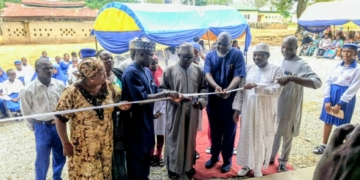
Adedeji spoke at the commissioning of the headquarters of the Nigeria Revenue Service in Abuja. The edifice was commissioned by President on Tuesday afternoon.
He described the newly commissioned headquarters as a tangible outcome of the government’s reform agenda. “Today marks the culmination of a defining journey,” he said, noting that the facility stands as a “symbol of reform” and institutional transformation.
The headquarters complex comprises three towers rising 16 floors, with capacity to accommodate over 3,000 personnel and a CNG station.
Adedeji explained that the project, which began 22 years ago, has now been completed to serve as the operational backbone for the agency’s expanded responsibilities.
According to him, key reforms, including the unification of the exchange rate and the introduction of the government’s naira-for-crude initiative, have significantly improved Nigeria’s fiscal outlook.
He noted that Nigeria’s net reserves would have been far lower but for the exchange rate unification policy, which has helped boost reserves to about $34 billion.
The NRS chairman added that the naira-for-crude initiative has effectively reduced the cost burden of petrol imports, with the country currently spending about 50 per cent less than it would have otherwise paid per litre of fuel.
“Only a leader with clarity of purpose and commitment to change can drive this kind of reform,” Adedeji said, in apparent reference to the administration’s economic policy direction.
He said the building represents more than just physical infrastructure, describing it as a modern workspace aligned with the scale, technology, and ambition required to drive Nigeria’s fiscal transformation.
According to him, the facility will enhance operational efficiency and support the agency’s mandate in revenue mobilisation, tax administration, and economic reform implementation.
The commissioning, he added, signals a new phase in Nigeria’s public finance management, with stronger institutions expected to play a central role in sustaining economic stability and growth.
We’ve got the edge. Get real-time reports, breaking scoops, and exclusive angles delivered straight to your phone. Don’t settle for stale news. Join LEADERSHIP NEWS on WhatsApp for 24/7 updates →
Join Our WhatsApp Channel