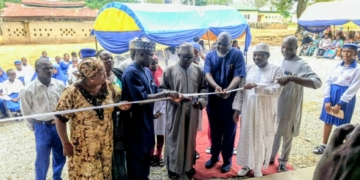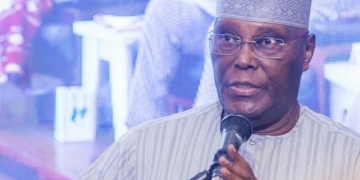
The federal government has intensified efforts to secure global recognition for Nwonyo Fishing Festival in Ibi local government area of Taraba State, with plans to inscribe it on UNESCO’s Intangible Cultural Heritage list.
President Bola Ahmed Tinubu who was represented at the 2026 edition of the Annual Traditional Fishing Festival, said the initiative formed part of his administration’s broader strategy to reposition Nigeria’s cultural assets under the Renewed Hope Agenda.
President Tinubu, who described the century old festival as one of Africa’s most enduring cultural traditions and a unifying platform that has sustained community identity, resilience and heritage over generations.
“Beyond its colourful spectacle of fishing contests, regattas, music and masquerades, the Nwonyo Festival has become a viable economic platform that promotes tourism, trade and community cohesion,” he said.
The president further revealed that the federal government is set to sign a Memorandum of Understanding (MoU) with the Taraba State government to deepen collaboration in tourism development and cultural promotion.
He commended Governor Agbu Kefas for reviving the festival after years of dormancy, noting that the state government’s efforts have positioned Taraba as a critical partner in Nigeria’s cultural diplomacy drive.
President Tinubu, announced as part of complementary measures, the rollout of a Technical and Vocational Education and Training (TVET) programme targeting youths in the creative and tourism sectors, including ICT, fashion, catering and hospitality to boost employment and entrepreneurship.
Highlighting the festival’s growing global appeal, the president pointed to the presence of foreign delegations from countries such as Ghana and Grenada as evidence of its rising international profile, calling for stronger cross-border cultural partnerships.
In his remarks, Plateau State governor Caleb Mutfwang, who represented elder statesman and former Defence Minister, Gen. Theophilus Danjuma, described the revival of the festival, also known historically as Wanyo, as a restoration of cultural pride and economic opportunity.
Gen. Danjuma, who was the chairman of the event, traced the origin of the festival to 1816, noting that the festival had been abandoned for over 14 years before its recent revival.
We’ve got the edge. Get real-time reports, breaking scoops, and exclusive angles delivered straight to your phone. Don’t settle for stale news. Join LEADERSHIP NEWS on WhatsApp for 24/7 updates →
Join Our WhatsApp Channel