
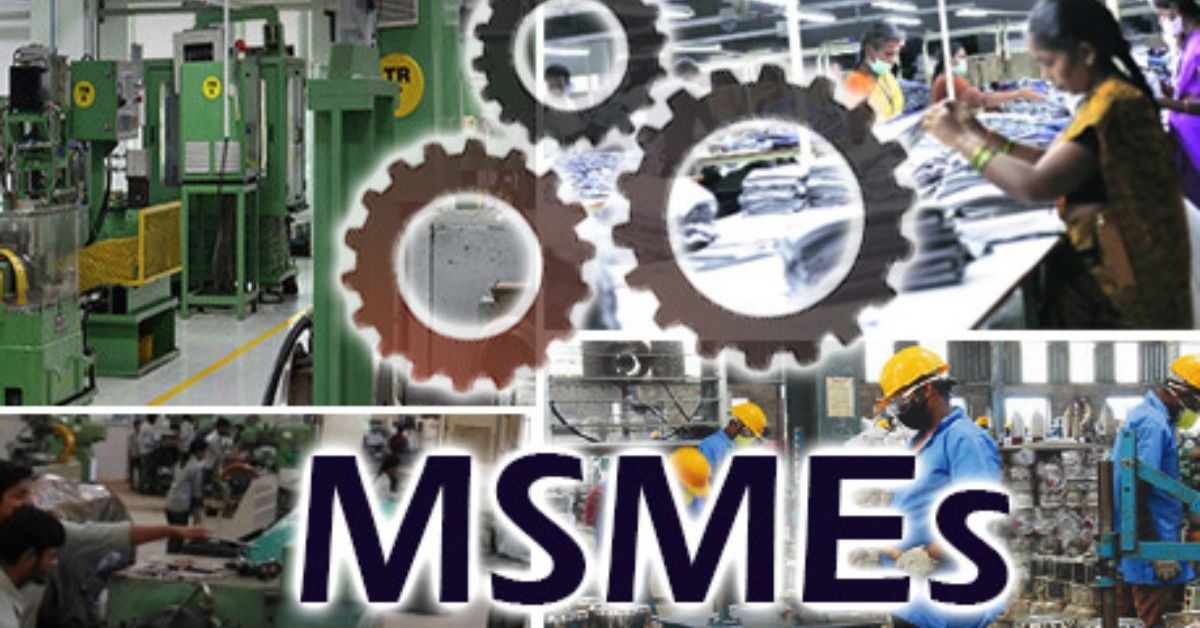
Nigerian women entrepreneurs, who control 72 per cent of the country’s 39.6 million micro, small, and medium enterprises (MSMEs), face a whopping N2.9 trillion credit gap that threatens to stifle their growth and the economy.
Despite their dominance in the MSME landscape—which employs over 80 per cent of Nigeria’s workforce and contributes nearly 50 per cent to GDP—female-led businesses have less access to financing than their male counterparts.
Experts warn that this disparity exacerbates poverty and limits innovation in key sectors like agriculture and retail.
As Nigeria strives to attain a $1 trillion economy by 2030, women-led businesses must shift from passive observers to primary drivers of growth, the director of Enterprise Sales at FairMoney Business, Gloria Onosode, has declared.
Citing data from the National Bureau of Statistics (NBS), Onosode noted that the increased ownership rate of Micro, Small and Medium Enterprises (MSMEs) by women already represents a significant contribution to job creation and economic expansion.
According to the Small and Medium Enterprise Development Agency of Nigeria (SMEDAN), the country has approximately 39.6 million nano, micro, small, and medium enterprises.
Speaking recently, Onosode highlighted a remarkable shift: “Approximately 72 per cent of these enterprises are now classified as being owned or led by women,” she said, noting that this is a sharp jump from previous years, which hovered around 40–43 per cent.
She attributed the surge largely to the rise of ‘nano’ and ‘micro’ home-based businesses, adding that “these female-led enterprises are the primary engines of job creation and community stability.”
Onosode highlighted that, despite this entrepreneurial drive, structural hurdles stifle scaling, with the financing gap remaining the most formidable obstacle.
“The World Bank IFC Nigeria2Equal initiative reports that while Nigeria has one of the highest female entrepreneurship rates globally, the credit gap for these women is estimated at over 2.9 trillion Naira, forcing them into the ‘savings and family’ funding model,” she explained.
Onosode buttresed that digital empowerment for women-led enterprises must move beyond being a social responsibility or gender support initiative to become a core economic development strategy.
She underscored the multiplier effect, stating, “Research demonstrates that women reinvest up to 90 per cent of their income into their families and communities -specifically in education, healthcare, and nutrition.
Supporting these enterprises is, therefore, a direct investment in Nigeria’s human capital.”
She asserted that FairMoney Microfinance Bank, a CBN-licensed institution, is contributing to this transition by offering digitised savings products that help women move from informal ‘under-the-mattress’ savings to interest-bearing accounts, enabling financial planning and resilience.
“The future of the Nigerian economy is intrinsically tied to the success of its women. A $1 trillion Nigeria is not just a dream; it represents a significant opportunity that can be progressively realised by the resilient women entrepreneurs of our nation,” Onosode said.
We’ve got the edge. Get real-time reports, breaking scoops, and exclusive angles delivered straight to your phone. Don’t settle for stale news. Join LEADERSHIP NEWS on WhatsApp for 24/7 updates →
Join Our WhatsApp Channel