
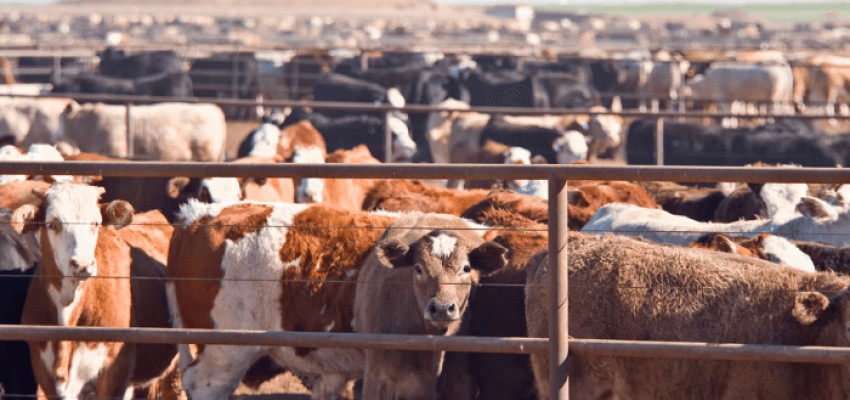
Rising livestock diseases are threatening Nigeria’s meat and dairy output, as farmers grapple with limited access to vaccines and recurring outbreaks across the country.
Industry stakeholders warn that diseases such as Peste des Petits Ruminants, Foot-and-Mouth Disease and Contagious Bovine Pleuropneumonia continue to cut herd sizes, reduce productivity and erode incomes, raising fresh concerns over food security.
Amid the growing pressure, the federal government has yesterday backed a new partnership between Ambuvets Konsult of Nigeria and Morocco-based MCI Santé Animale to scale up vaccine availability and distribution nationwide.
Minister of Livestock Development, Idi Mukhtar Maiha, said the intervention is part of broader efforts to contain animal diseases and stabilise the livestock sector.
“We are undertaking an ambitious transformation of the livestock sector, with disease prevention and control at its core,” he said.
Maiha noted that improved access to vaccines would help curb the spread of zoonotic and transboundary diseases, while supporting farmers to rebuild productivity.
Chief Executive Officer of Ambuvets Konsult, Dr Shehu Shamsudeen, said the partnership is designed to bridge supply gaps by combining global manufacturing capacity with local distribution networks.
According to him, the initiative will prioritise last-mile delivery to smallholder farmers, who account for the bulk of Nigeria’s livestock production.
On his part, chief executive officer of MCI Santé Animale, Dr Tadlaoui Omari Khalid, said Nigeria has been identified as a key market under the company’s Africa expansion strategy.
He disclosed that efforts are ongoing to secure regulatory approvals, strengthen partnerships and improve vaccine uptake across the country.
Findings indicate that several veterinary vaccines targeting major livestock and poultry diseases have already received approval from the National Agency for Food and Drug Administration and Control.
The companies also said collaboration is ongoing with the National Veterinary Research Institute to validate vaccine effectiveness under Nigerian conditions and explore opportunities for local production.
Analysts say closing the vaccine gap will be critical to reducing livestock losses, stabilising supply chains and improving protein availability in the country.
We’ve got the edge. Get real-time reports, breaking scoops, and exclusive angles delivered straight to your phone. Don’t settle for stale news. Join LEADERSHIP NEWS on WhatsApp for 24/7 updates →
Join Our WhatsApp Channel