
• Hausa Edition
  • Podcast
  • Conferences
  • LeVogue Magazine
  • Business News
  • Print Advert Rates
  • Online Advert Rates
  • Contact Us
Thursday, June 4, 2026
Leadership Newspapers
No Result
View All Result
  • Home
  • News
  • Politics
  • Business
  • Sport
    • Football
  • Health
  • Entertainment
  • Education
  • Opinion
    • Editorial
    • Columns
  • Others
    • LeVogue Magazine
    • Conferences
    • National Economy
  • Contact Us
Hausa Edition
  • Home
  • News
  • Politics
  • Business
  • Sport
    • Football
  • Health
  • Entertainment
  • Education
  • Opinion
    • Editorial
    • Columns
  • Others
    • LeVogue Magazine
    • Conferences
    • National Economy
  • Contact Us
No Result
View All Result
Leadership Newspapers
No Result
View All Result

Tariff Cut On Vehicles, Rice, Others To Weaken Local Products – Economist Warns

Andrew Ojiezel by Andrew Ojiezel
1 month ago
in Business
Tariff
Share on WhatsAppShare on FacebookShare on XTelegram

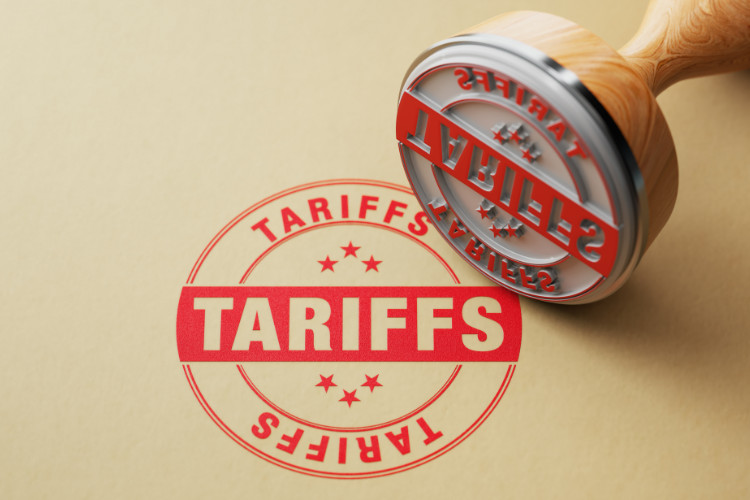
Stakeholders have expressed concern over the Federal Government’s approval of the 2026 Fiscal Policy Measures (FPM), warning that planned reductions in import tariffs on vehicles, rice and other goods could weaken local production and threaten domestic industries.

The policy, which introduces significant tariff adjustments, is widely viewed by experts as a delicate balancing act with mixed implications for the economy.

On one hand, the measures are expected to bring relief to consumers by lowering the cost of essential goods, particularly food items. Early market signals already indicate a downward trend in prices, with some rice dealers reportedly slashing prices by as much as N20,000 per bag in anticipation of increased supply.

However, industry stakeholders caution that the benefits to consumers may come at a steep cost to local producers.

They argue that increased importation could undermine efforts to boost domestic manufacturing and agriculture, potentially leading to job losses as local industries struggle to compete with cheaper foreign goods.

Speaking to the issue, the chief executive officer, Centre for the Promotion of Private Enterprise (CPPE), Dr. Muda Yusuf, warned that an influx of cheaper imported rice and palm oil could undercut local farmers, discouraging investment in domestic agriculture.

According to him, Nigeria risks substituting local labour with imported goods, thereby limiting job creation opportunities within the country.

Yusuf further stressed that long-term food security should not rely on imports but on reducing the cost of production inputs such as fertilisers and improving support for local farmers.

RELATED NEWS

NUPRC Opens 2026 Licensing Round in Q3 Amid Investors’ Confidence

Nigeria’s Power Sector Needs Credit Ratings To Attract Long-Term Investment – Report

Nigeria Tops Global Crypto Transfer Rankings as Adoption Hits 40%

To offset potential revenue losses from the tariff cuts, the Federal Government is set to introduce new fiscal measures, including a Green Tax surcharge as well as excise duties on alcohol, tobacco and sugary drinks, scheduled to take effect from July 1, 2026.

Analysts note that while the policy may ease pressure on importers and businesses grappling with high costs, Nigeria’s economy still faces a complex path to stability. Rising energy prices and persistent structural challenges continue to keep inflation elevated, with experts warning that additional tax measures later in the year could pose fresh hurdles.

Overall, stakeholders maintain that while the tariff reductions may offer short-term relief to consumers, they could weaken local industries if not complemented by strong policies that support domestic production.

We’ve got the edge. Get real-time reports, breaking scoops, and exclusive angles delivered straight to your phone. Don’t settle for stale news. Join LEADERSHIP NEWS on WhatsApp for 24/7 updates →

Join Our WhatsApp Channel


Andrew Ojiezel

Andrew Ojiezel

Andrew Ojiezel is a journalist with Leadership Newspaper, which he joined in 2019. His career began at Daily Times of Nigeria and Business Times in 2004, where he served as Labour Correspondent, and he subsequently worked as Labour Correspondent with National Daily Newspaper before his current role.

OTHER NEWS UPDATES

NUPRC Opens 2026 Licensing Round in Q3 Amid Investors’ Confidence
Business

NUPRC Opens 2026 Licensing Round in Q3 Amid Investors’ Confidence

4 hours ago
Geometric Power, ASERA Commended For Sustainable Electricity Supply, Regulatory Reforms
Business

Nigeria’s Power Sector Needs Credit Ratings To Attract Long-Term Investment – Report

4 hours ago
Nigeria Tops Global Crypto Transfer Rankings as Adoption Hits 40%
Business

Nigeria Tops Global Crypto Transfer Rankings as Adoption Hits 40%

4 hours ago
Next Post
‎Skitmaker Maraji Explains Why She Does Not Follow Trends ‎

‎Skitmaker Maraji Explains Why She Does Not Follow Trends ‎

Advertisement

LATEST UPDATE

Female YPP Senatorial Candidate Promises Jobs, Better Leadership In Bayelsa West

4 hours ago

NUPRC Opens 2026 Licensing Round in Q3 Amid Investors’ Confidence

4 hours ago

61 Opposition Lawmakers Back Ugochinyere For Reps Minority Office

4 hours ago

Nigeria’s Power Sector Needs Credit Ratings To Attract Long-Term Investment – Report

4 hours ago

Nigeria Tops Global Crypto Transfer Rankings as Adoption Hits 40%

4 hours ago
Load More
Advertisement
Facebook Twitter Instagram Youtube Whatsapp

© 2026 LEADERSHIP Media Group - All Rights Reserved | Hausa | Online Casino.

No Result
View All Result
  • Home
  • News
  • Politics
  • Business
  • Sport
    • Football
  • Health
  • Entertainment
  • Education
  • Opinion
    • Editorial
    • Columns
  • Others
    • LeVogue Magazine
    • Conferences
    • National Economy
  • Contact Us

© 2026 LEADERSHIP Media Group - All Rights Reserved | Hausa | Online Casino.